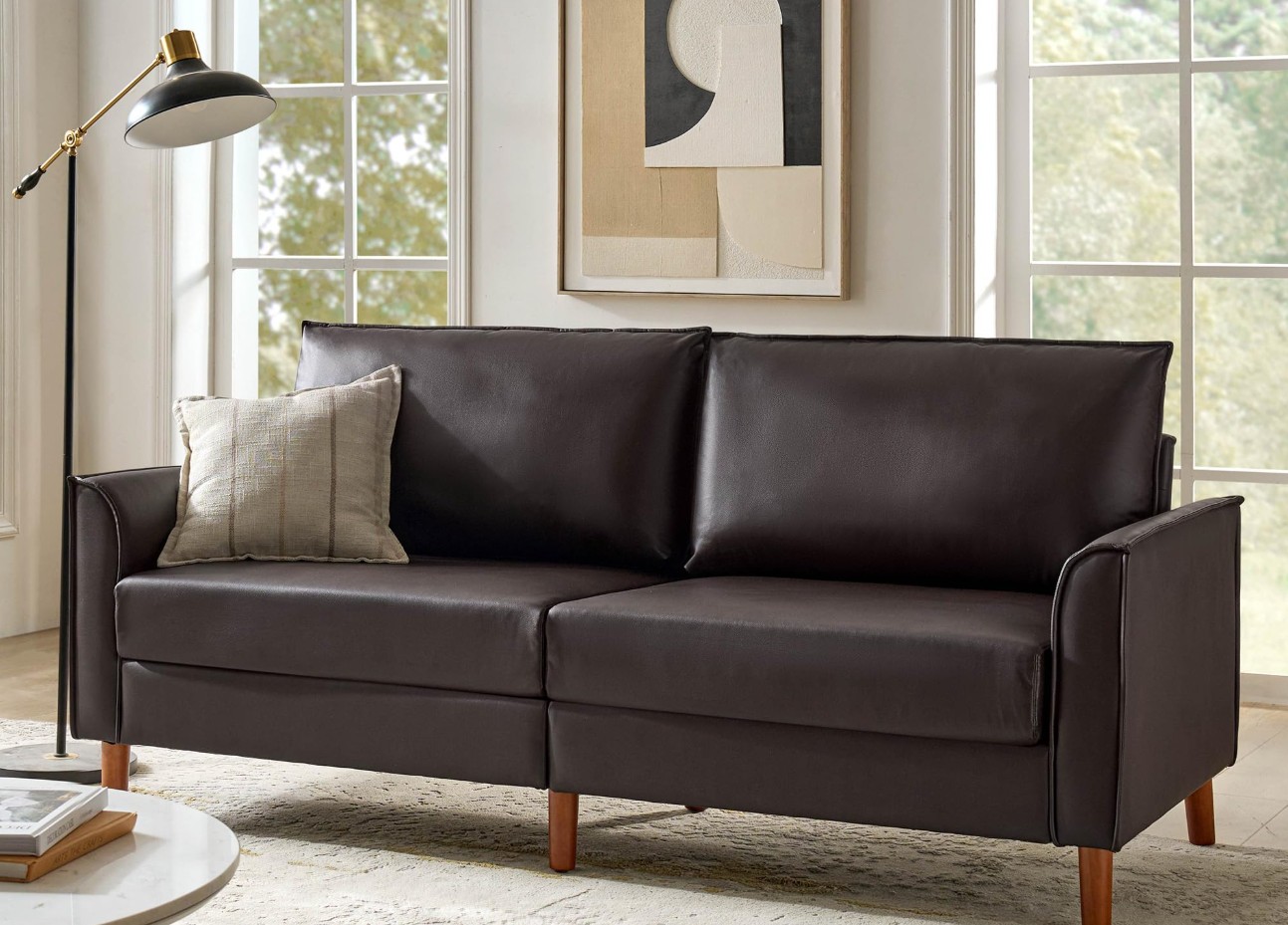
Top 10 Best Sofa Fabrics Recommended by Fabric Sofa Manufacturers
Upholstery fabric is what truly defines the beauty, durability, and perceived value of every sofa. To help businesses gain a deeper understanding of different fabric characteristics, The Sofa Furniture – one of Vietnam’s leading fabric sofa manufacturers with over 15 years of experience partnering with global interior brands – has curated a list of the 10 most recommended sofa upholstery materials used today. Join us as we explore each fabric in detail and discover which one best complements your brand’s next sofa collection.
1. Linen

Linen is a natural fabric woven from flax fibers, known for its smooth texture, breathability, and excellent moisture absorption. These qualities make it an ideal upholstery choice for sofas in warm, humid climates – where comfort and airiness are key to great design.
On the market, linen-upholstered sofas are typically found in the mid- to high-end segment, especially in Scandinavian-style designs that value simplicity and natural materials.
However, being a natural fabric, linen tends to wrinkle and shrink easily. This requires fabric sofa manufacturers to apply precise anti-wrinkle treatments and carefully calculate proportions during production. Without proper handling, a linen sofa can quickly lose its shape, particularly in high-traffic or commercial spaces.
For B2B clients investing in linen-upholstered collections, The Sofa Furniture recommends inspecting the fabric thoroughly – ensuring it has been pre-treated to resist wrinkles. Opt for neutral tones that harmonize easily with various interiors, and make the most of linen’s natural breathability to elevate user comfort.
From a business perspective, linen offers a balanced production cost yet delivers a high perceived value, allowing brands to enhance profit margins in premium product lines while creating distinctive, refined pieces that stand out in a competitive market.
2. Velvet
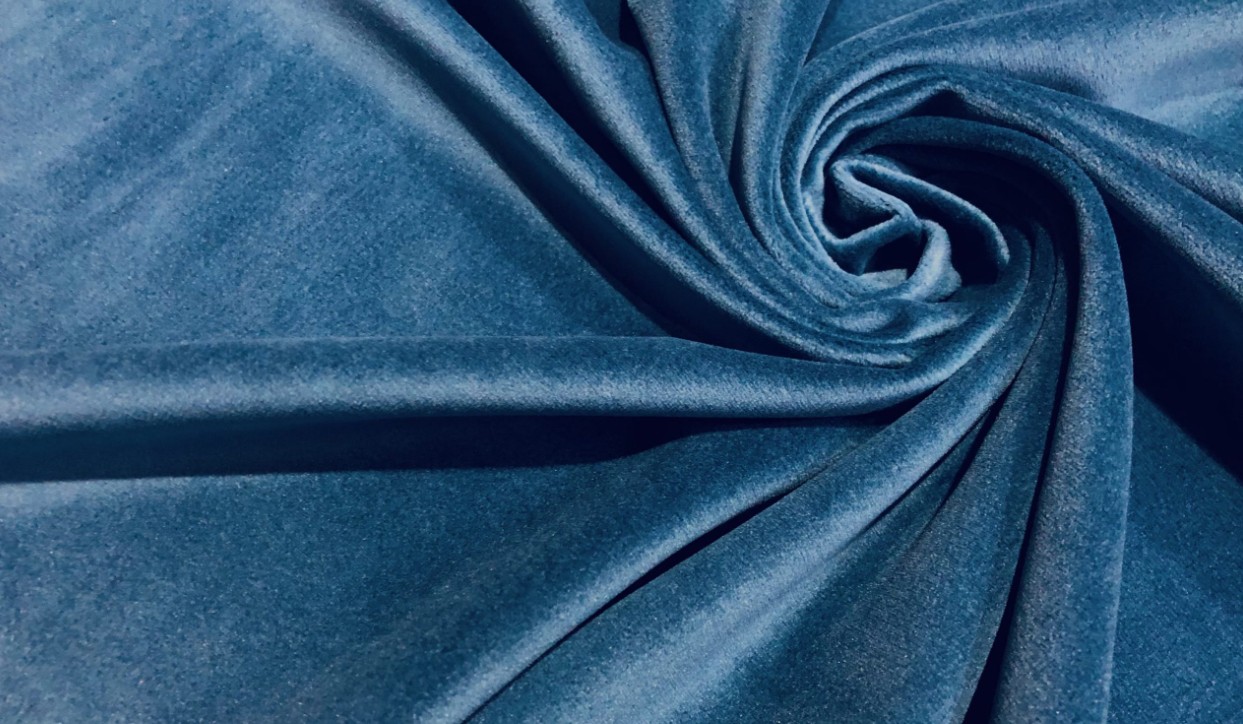
Velvet is a luxurious, thick, and soft fabric with a subtle sheen, often woven from synthetic fibers such as polyester, nylon, or rayon. Its smooth and lustrous surface makes velvet sofas an ideal choice for creating a bold visual highlight in living rooms or premium interior spaces.
The main advantage of velvet lies in its elegant, sophisticated look and the soft, plush comfort it provides. However, the downside is that velvet easily attracts dust and stains, making it harder to clean. This requires fabric sofa manufacturers to apply proper treatment techniques and select suitable materials to ensure lasting quality and durability.
Maintenance is fairly straightforward: use a vacuum cleaner to remove surface dust, avoid direct contact with water, and keep the sofa away from intense sunlight to preserve the fabric’s texture and color.
On the market, velvet sofas are typically positioned in the high-end segment, especially suitable for classic or boutique-style collections where aesthetics and user experience are top priorities.
From an economic standpoint, velvet sofas fall within the mid- to high-price range but offer attractive profit margins. This allows fabric sofa manufacturers to strike a balance between quality, aesthetics, and profitability – creating standout products that elevate brand value in the premium furniture market.
>> Read more: The Sofa Furniture – A Leading Sofa Brands Factory in Vietnam
3. Microfiber
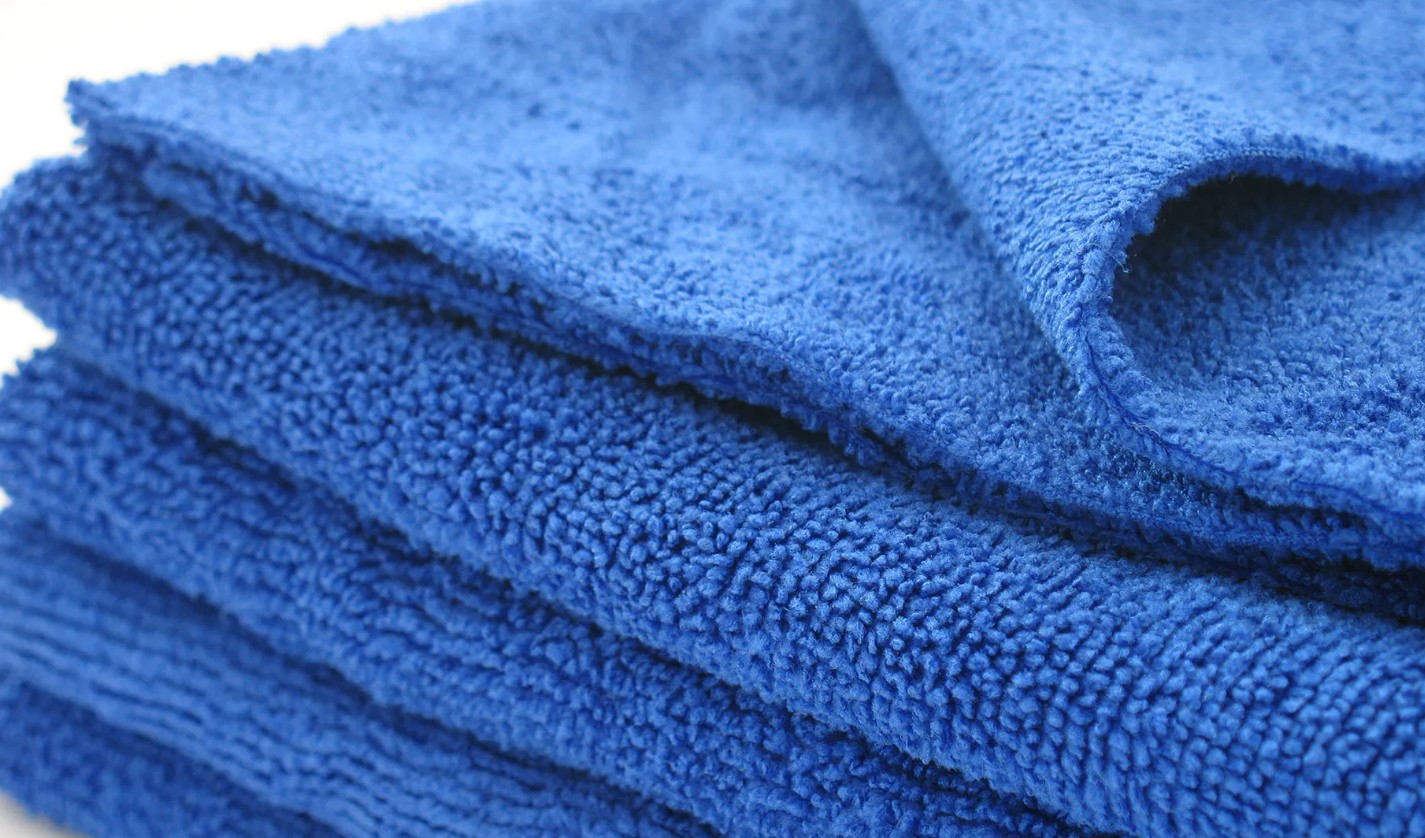
Microfiber is a synthetic fabric woven from ultra-fine polyester or nylon fibers, known for its smooth texture and suede-like feel. Thanks to its dense fiber structure, this material is not only durable but also resistant to dust and light moisture—making it a popular choice in modern sofa manufacturing.
One of microfiber’s greatest strengths is its stain resistance and easy maintenance. Many fabric sofa manufacturers favor this material for household, hotel, and office sofa models due to its durability, cost-effectiveness, and comfortable feel. However, microfiber is less breathable compared to natural fabrics and may feel slightly “synthetic” to the touch, so it is often treated to achieve a softer and more natural texture.
On the market, microfiber sofas typically belong to the mid-range to mass-market segment, ideal for commercial projects or large-scale interior collections. For B2B enterprises, choosing high-quality microfiber with trendy color palettes and promoting its stain-resistant feature in marketing can significantly enhance product appeal.
From an economic perspective, microfiber offers low material costs, fast production cycles, and stable profit margins, making it a perfectly balanced solution between aesthetics, durability, and investment efficiency.
4. Cotton
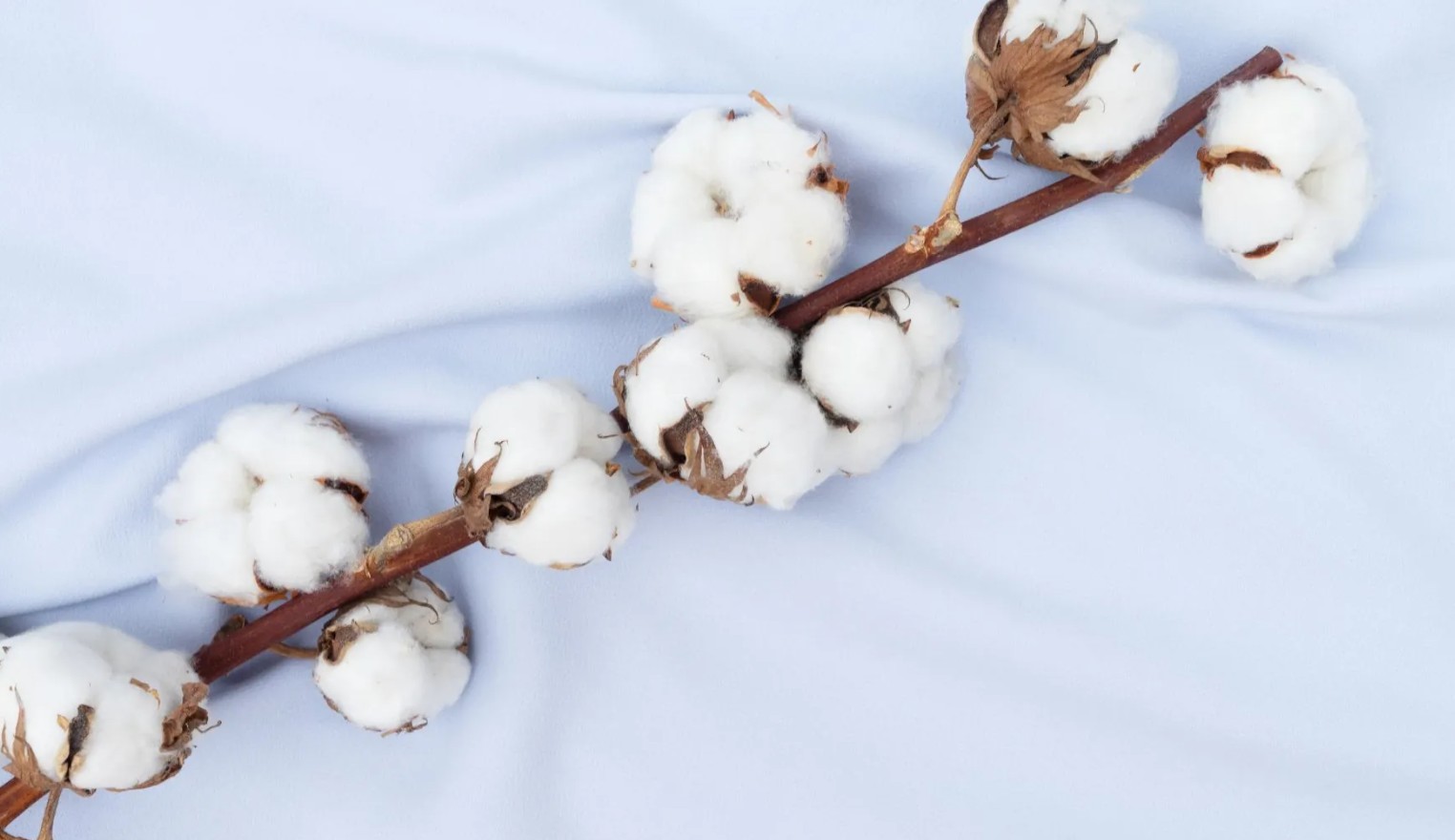
Cotton is one of the most popular natural fabrics in sofa manufacturing, prized for its softness, breathability, and skin-friendly texture. Its natural fiber structure provides comfort even during long sitting periods, while bringing a warm and inviting feel to interior spaces.
Thanks to its excellent absorbency and wide range of colors, cotton easily adapts to various design styles, from cozy family sofas and living room sets to everyday comfort-focused models.
However, cotton does have some limitations: it wrinkles easily, attracts stains, and may shrink slightly after washing. To overcome this, fabric sofa manufacturers often use pre-treated cotton with anti-shrink and anti-wrinkle finishes to ensure long-lasting durability and a refined appearance.
In terms of market positioning, cotton-upholstered sofas typically fall within the mid-range to affordable segment, appealing to users who prioritize natural comfort over luxury. For B2B enterprises, combining well-processed cotton with high-quality cushioning and soft-toned colors can significantly enhance user experience while keeping production costs optimized.
From an economic perspective, cotton offers reasonable raw material costs, ease of mass production, and stable profit margins, making it a well-balanced option that harmonizes comfort, cost-efficiency, and perceived value in the mainstream sofa market.
>> Read more: Top 5 Materials for Crafting High-Quality Sofa Factory Sofa Beds
5. Polyester
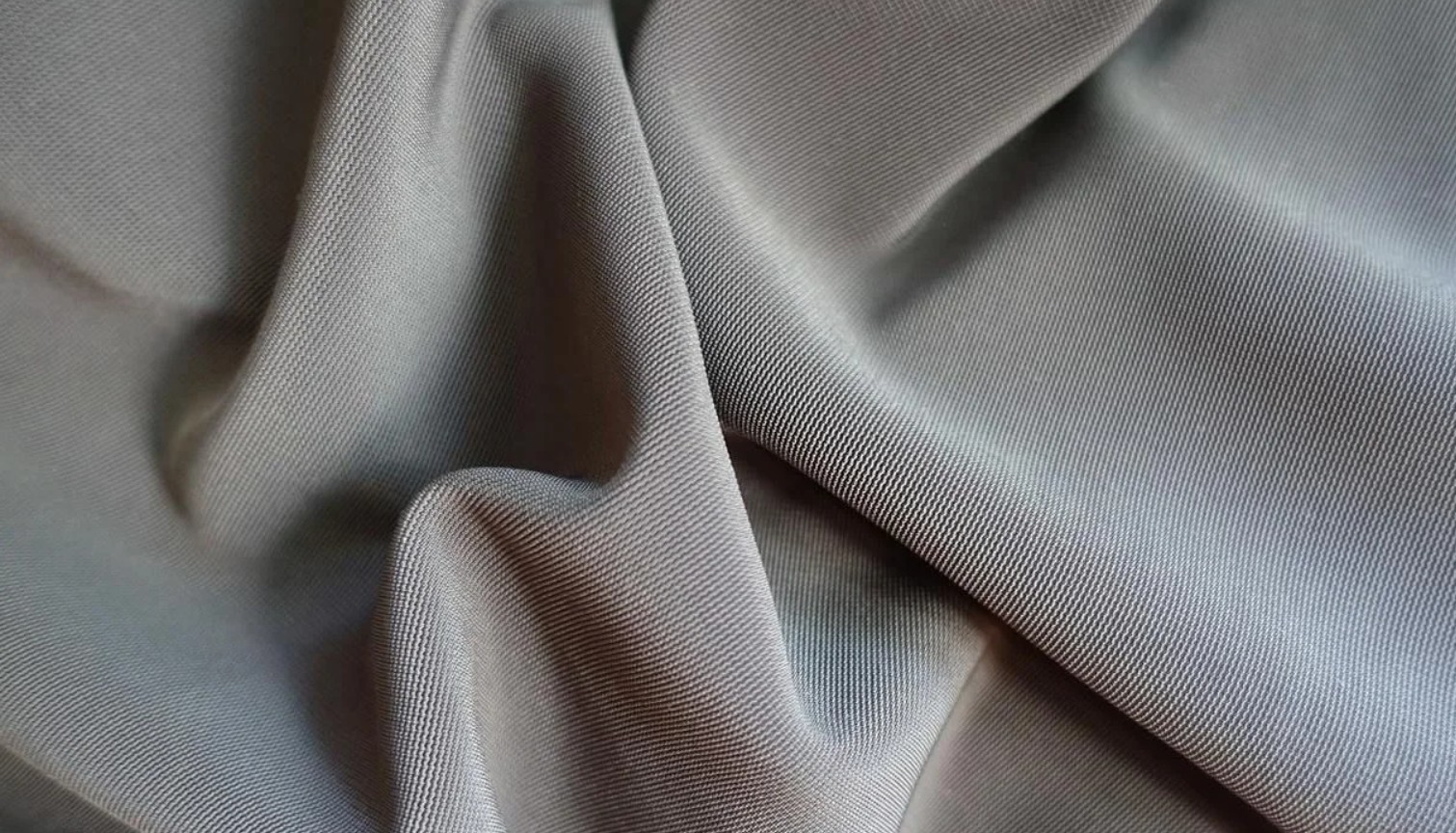
Polyester is a widely used synthetic fabric in the sofa industry, known for its durability, wrinkle resistance, and excellent color retention over time. With its ability to maintain shape and resist yellowing, polyester offers superior longevity compared to many natural fabrics. When blended with other fibers like cotton or linen, it can produce a variety of surface effects, from smooth and soft to slightly textured or handwoven-like finishes, enhancing the visual appeal of each sofa design.
In terms of benefits, polyester-upholstered sofas are easy to clean, colorfast, and cost-effective, making them a popular choice for home, office, or resort furniture – where durability, easy maintenance, and affordability are key. However, polyester tends to be less breathable than natural fibers and can feel slightly “synthetic” to the touch, so it often requires additional processing to achieve a softer, more natural feel.
With over 15 years of experience partnering with global furniture brands, we at The Sofa Furniture – one of the leading fabric sofa manufacturers in Vietnam – have found that polyester offers a clear economic advantage in sofa production, from cost optimization to large-scale manufacturing efficiency.
Thanks to its low material cost and fast production rate, polyester helps increase profit margins and productivity for bulk orders. Especially when blended with cotton or linen, it creates fabrics that are both durable and breathable – perfectly catering to diverse market preferences.
6. Wool
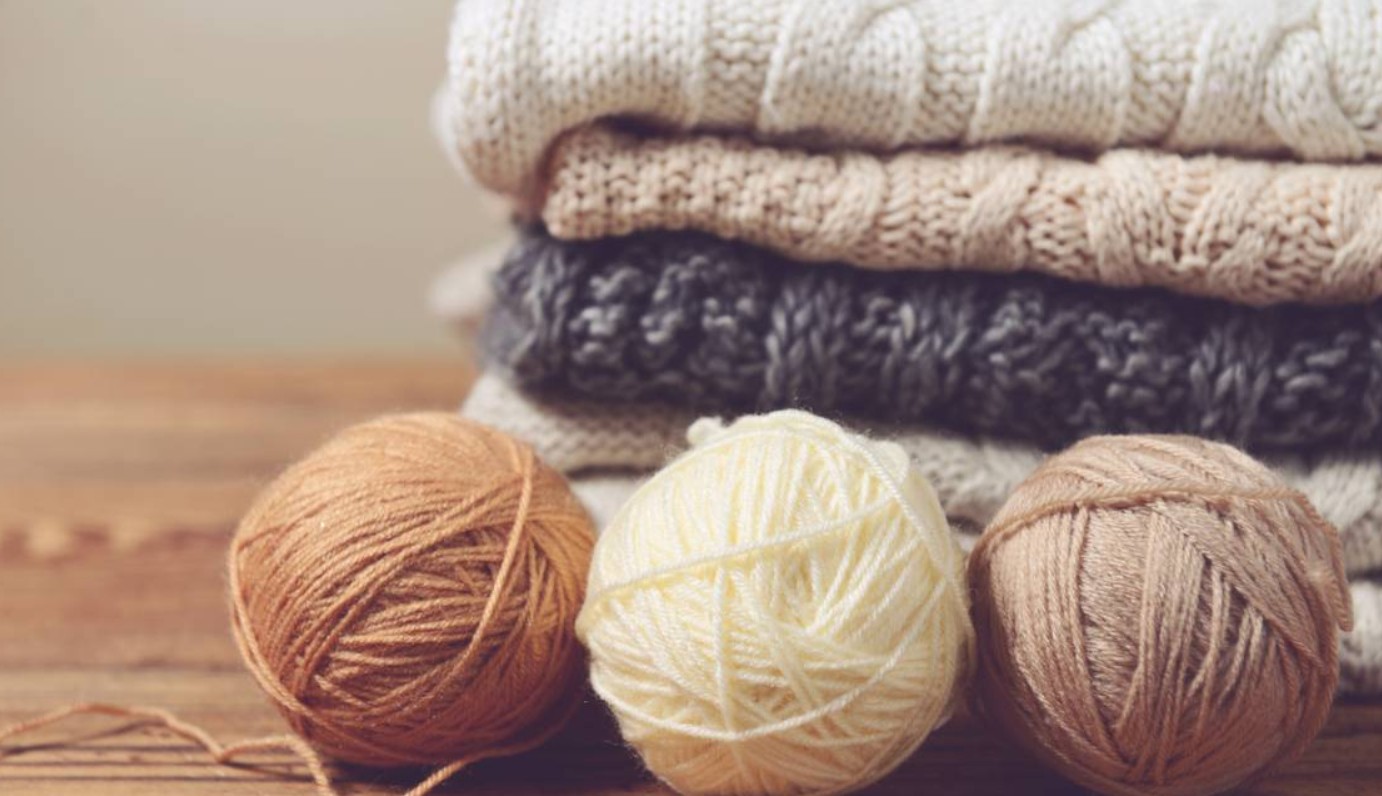
As one of the oldest woven materials in human history, wool continues to hold a distinctive place in the high-end sofa industry. Made from natural sheep’s wool, it offers a soft, warm, and resilient texture; making it an ideal choice for cooler climates or interiors that emphasize comfort and understated luxury.
The standout advantage of wool lies in its natural insulation and temperature regulation: keeping you warm in winter and pleasantly cool in summer. Additionally, wool naturally resists wrinkles and dirt, helping sofas retain their shape and beauty over time. That said, this material requires careful handling: it may cause mild irritation for sensitive skin and can attract moths or insects if stored improperly.
When it comes to maintenance, The Sofa Furniture recommends that businesses clearly communicate care guidelines to their customers: regular vacuuming, dry cleaning instead of washing, and avoiding damp storage environments. For export orders, we advise packaging with insect-proof mesh to preserve fabric quality throughout transportation and warehousing.
In the market, wool-upholstered sofas are generally positioned in the premium segment, favored by luxury hotels, resorts, and boutique showrooms, where tactile comfort and refined aesthetics are key.
When consulting our B2B partners, The Sofa Furniture often encourages investors to develop exclusive, limited-edition sofa collections using premium wool fabric rather than pursuing mass production. While the material cost is relatively higher, the perceived value it delivers far outweighs the expense – enhancing brand prestige and ensuring long-term profitability in the premium market.
If your company is seeking reliable fabric sofa manufacturers to bring high-end sofa concepts to life, The Sofa Furniture is always ready to collaborate and craft exceptional collections that stand out in the global market.
>> Read more: Ordering from a Direct Sofa Manufacturer Has Never Been Easier!
7. Tweed Fabric
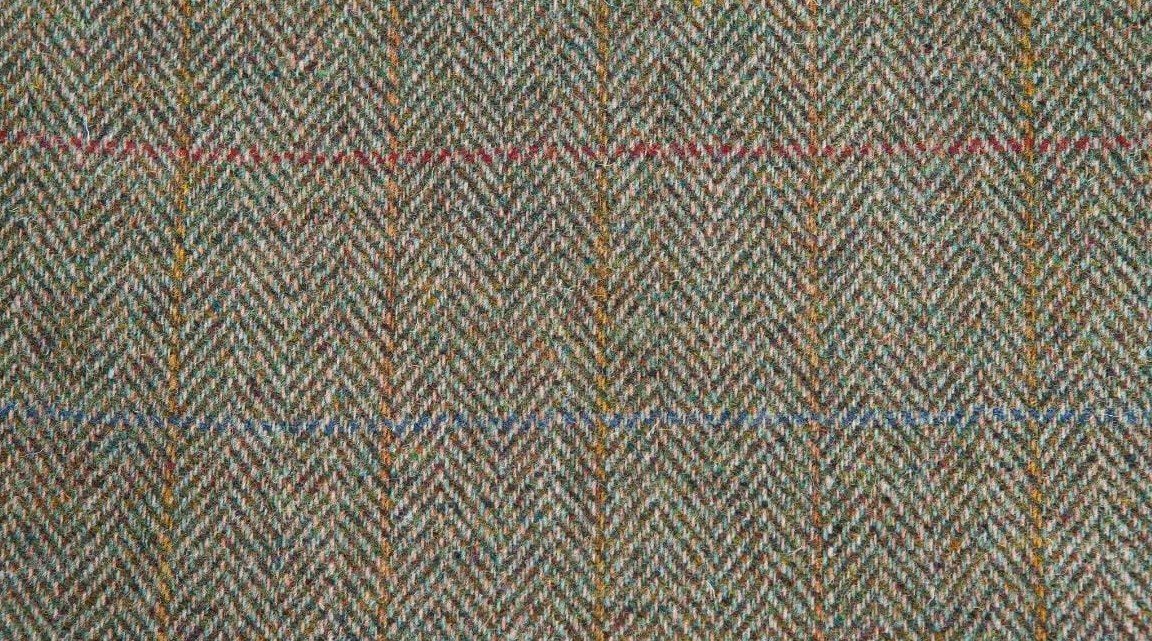
Tweed is a tightly woven fabric featuring subtle herringbone or small check patterns, creating a rich visual depth and refined texture. Thanks to its dense weave, tweed offers excellent resistance to abrasion, making it an ideal upholstery choice for sofas in high-traffic areas such as hotel lobbies, executive lounges, or upscale office spaces.
What makes tweed exceptional isn’t only its durability, but also its ability to “hide” the marks of time, minor scratches or dust tend to blend seamlessly into its intricate patterns. However, the fabric’s slightly firm texture may take a bit of getting used to. During production, fabric sofa manufacturers need to pay special attention to precision cutting and sewing techniques to ensure seamless pattern alignment and a smooth, refined finish.
From a commercial perspective, tweed fabric is often selected for projects emphasizing longevity and classic style, from lounge sofas and office seating to retro-inspired collections. At The Sofa Furniture, we encourage businesses to invest in high-density tweed fabrics, evaluate samples under various showroom lighting conditions, and consider creating limited-edition series to elevate product exclusivity.
8. Silk Fabric
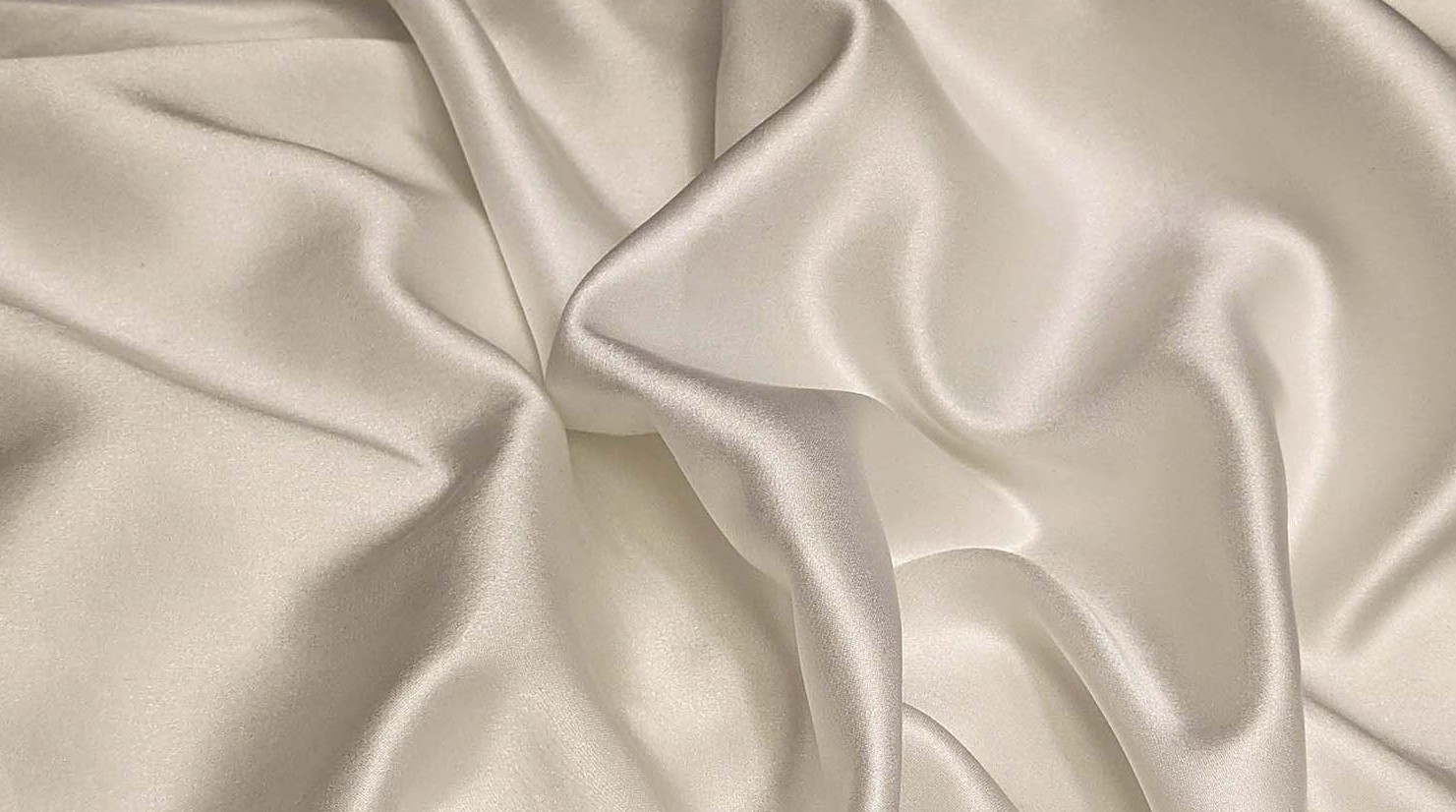
Silk is one of the world’s oldest and most prestigious natural fabrics, woven from pure silkworm fibers. Its smooth surface, natural sheen, and cool touch create an immediate sense of refinement. In the world of sofa production, silk is often seen as the language of elegance – each shimmering thread under light adds a distinctive character and luxurious aura to the interior.
When used for upholstery, silk sofas embody true sophistication. Thanks to its ability to reflect natural light, silk enhances the sense of space, making interiors appear more open and graceful. This makes it an ideal choice for hotel lobbies, boutique lounges, or premium resort spaces where ambiance and visual harmony matter most.
However, its very delicacy also means silk is more fragile than synthetic weaves. The fabric is sensitive to sunlight, humidity, and friction, making it less suitable for high-traffic environments or households with pets and children.
For this reason, The Sofa Furniture often advises businesses to use only high-grade silk fabrics, paired with sturdy frame construction and limited-edition production to preserve exclusivity and maximize product value. It’s also essential to evaluate the practicality and target market fit before committing to large-scale production.
Though silk upholstery involves higher material and craftsmanship costs, it delivers exceptional perceived value and premium profit margins. It’s a perfect choice for brands aiming at the luxury segment, where every detail: texture, light, and finish… works together to express sophistication and brand identity.
9. Genuine Leather
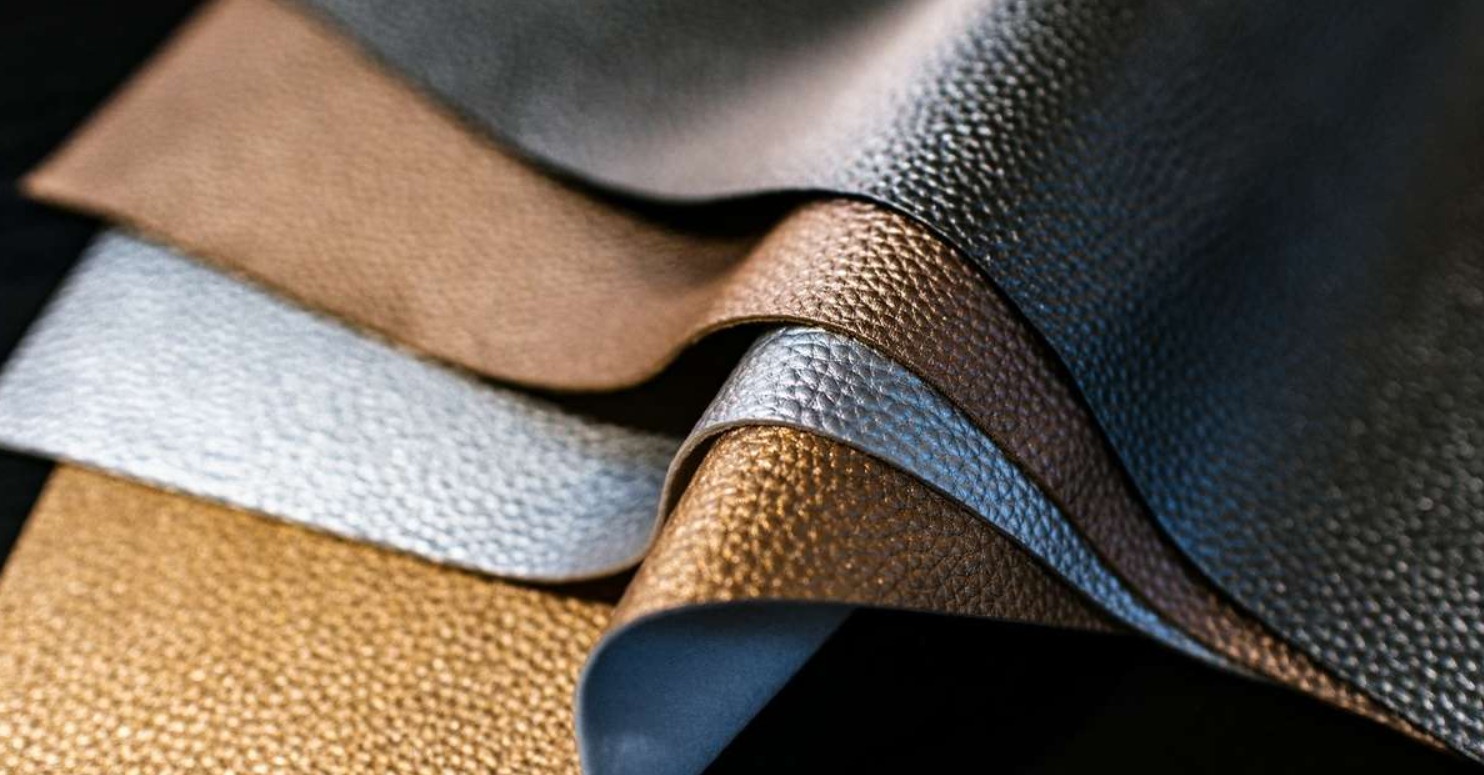
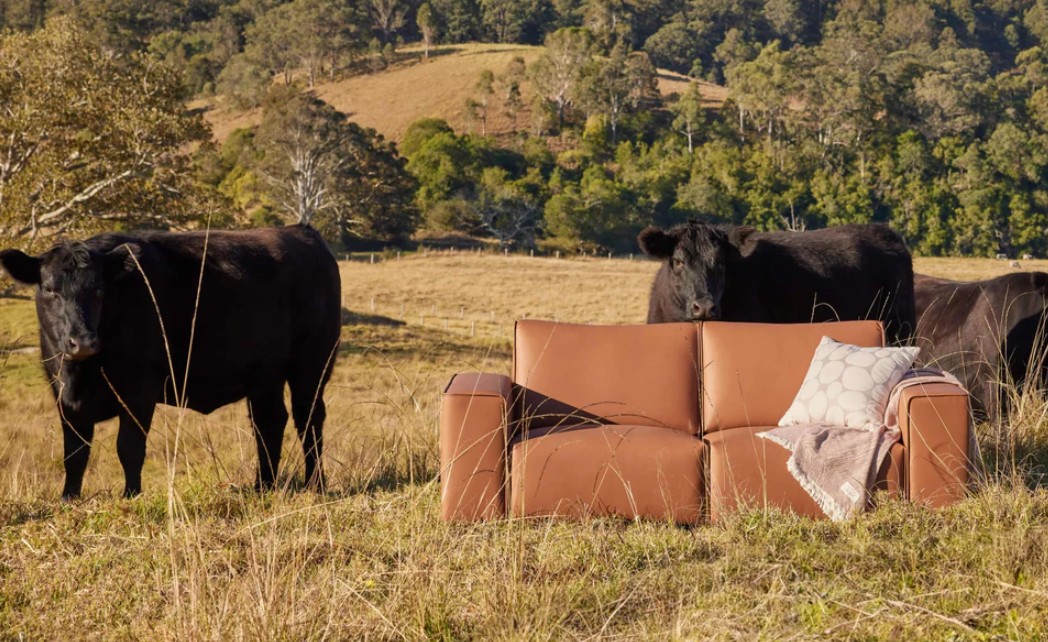
Genuine leather has long been regarded as the ultimate symbol of luxury in the furniture industry. Crafted from natural animal hides, each piece of leather carries its own unique grain pattern: no two are ever the same. The smooth, cool touch and subtle natural scent give leather sofas an unmistakable sense of sophistication and timeless appeal.
When it comes to advantages, genuine leather sofas are exceptionally durable, often lasting for decades with proper care. Leather’s natural breathability allows users to stay comfortable in both warm and cool climates.
Over time, it becomes softer, richer in color, and more beautiful – an organic evolution no synthetic material can replicate. However, this natural character also makes real leather sensitive to sunlight, humidity, and temperature changes, requiring meticulous maintenance and care.
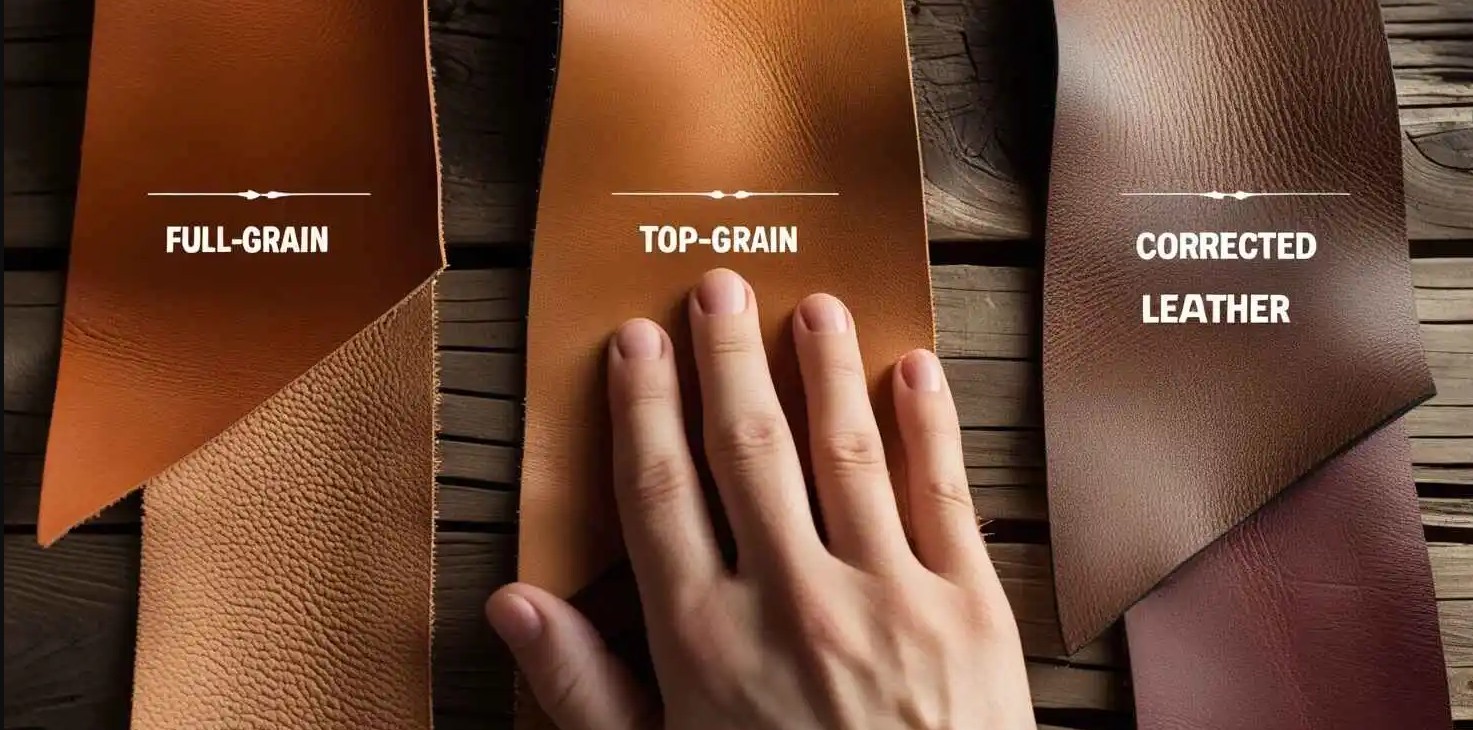
At The Sofa Furniture, one of Vietnam’s trusted fabric sofa manufacturers, we take the leather treatment process seriously, from sourcing premium full-grain or top-grain hides, to applying anti-mold finishes, natural dyeing, and surface conditioning. Our team always advises B2B clients to produce in moderate quantities to maintain consistency in color tone and texture across every batch.
While the production cost of genuine leather sofas is higher, the perceived value and profit margin they offer are remarkable. These products are ideal for brands targeting the mid- to high-end segment, where quality, craftsmanship, and emotional connection define true luxury.
>> Read more: Leather Factory Sofa Tips: Choosing the Right Export Upholstery
10. Faux Leather (Synthetic Leather)
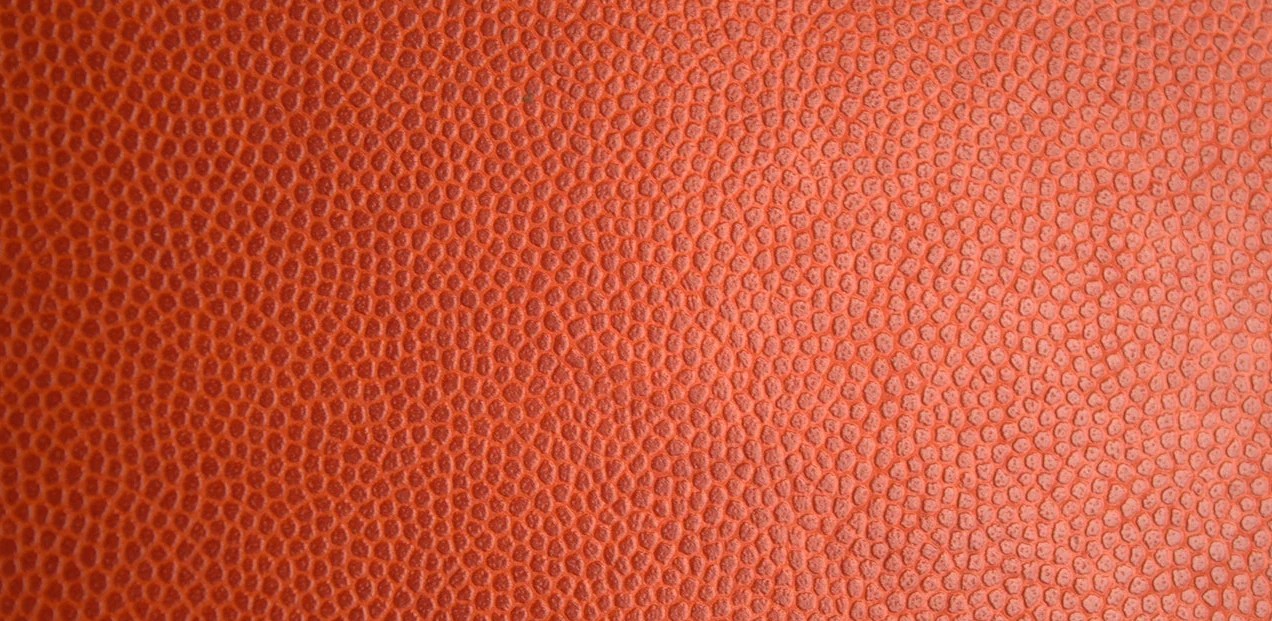
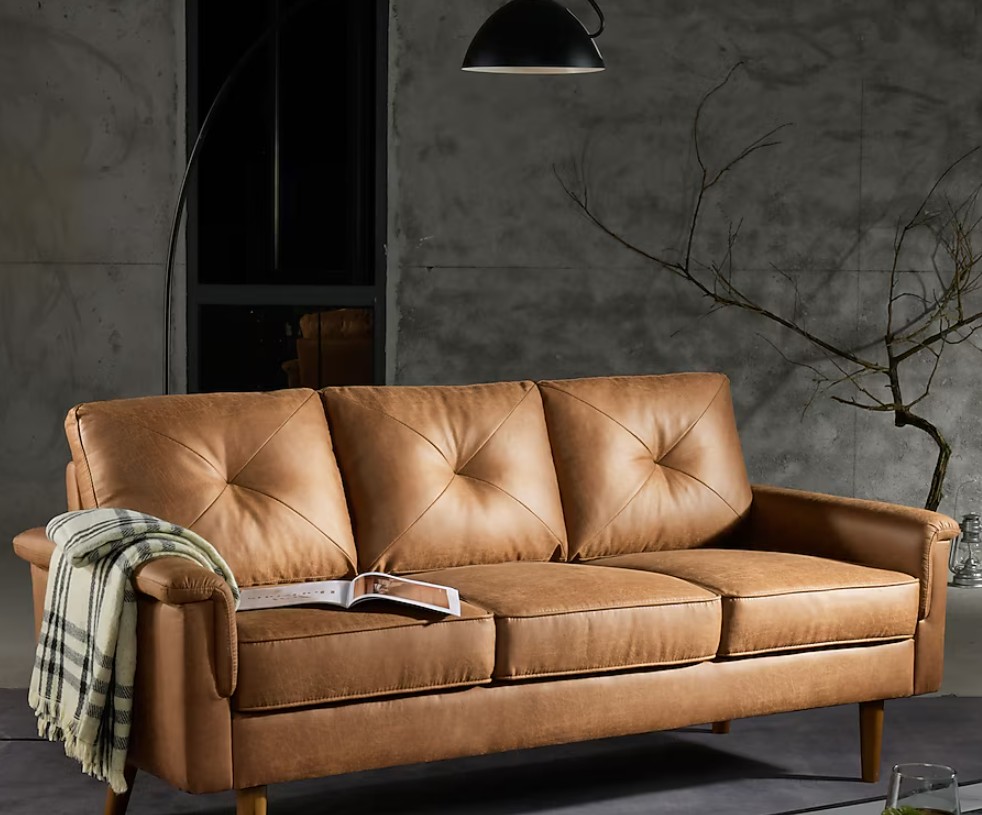
Faux leather has become the perfect alternative to genuine leather in many modern interior projects. Made from synthetic fibers such as PU, PVC, or plant-based bio-leather, this material not only replicates the refined texture of real leather but also offers remarkable advantages in terms of cost efficiency and versatility.
As consumers become increasingly conscious of sustainability, vegan and eco-friendly bio leathers are quickly gaining traction in the material portfolios of global furniture brands.
Faux leather sofas feature a smooth surface, easy maintenance, and excellent water resistance, making them ideal for offices, rental apartments, or households with children. However, as a man-made material, faux leather can be less breathable and may lose its durability over time if not properly treated or maintained.
From a production perspective, The Sofa Furniture recognizes faux leather as a highly flexible material, well-suited for mass production at optimized costs. We often recommend our B2B clients choose premium PU leather, combined with a sturdy wooden frame and high-resilience foam to enhance the overall comfort and durability of the final product.
In summary, every upholstery material brings its own personality and advantage. Choosing the right one not only determines a sofa’s aesthetic value but also directly impacts the user experience and long-term profitability of the product.
If your business is looking for reliable fabric sofa manufacturers to bring your high-quality sofa collections to life, The Sofa Furniture is ready to be your trusted partner. Contact us today for full-package consultation, design, and production services that meet international standards.
📞 Hotline / WhatsApp: +84-975-947-573
📧 Email: [email protected]
📍 USA Office: 2465 Pine Lake Rd, Tucker, GA 30084, USA
🏭 Factory: Phu Thu hamlet, Phu An village, Ben Cat City, Binh Duong, Viet Nam
⏰ Working Hours: 8:00 AM – 5:00 PM
-

-
 03/11/2025