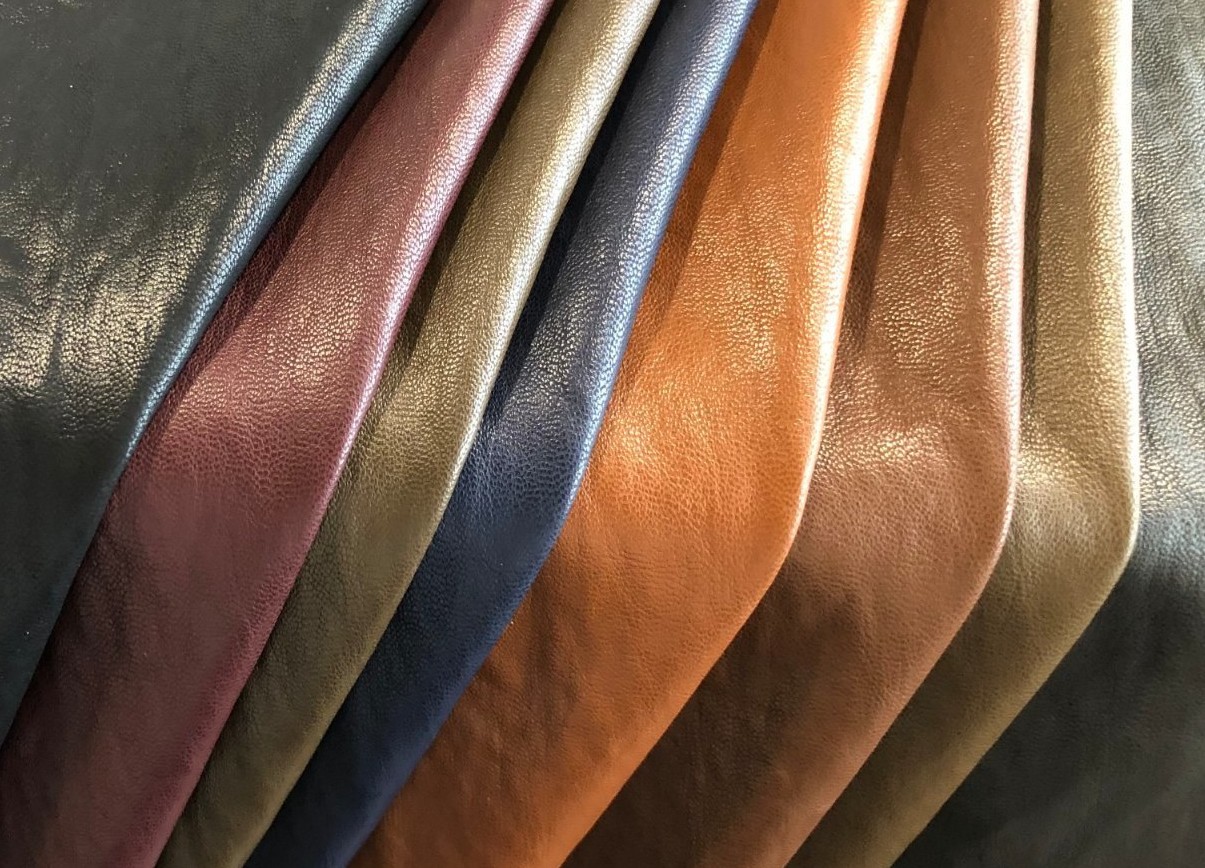
All You Need to Know About Vegan Leather
In recent years, the term “vegan leather” has gained widespread attention as an ethical and animal-friendly alternative to genuine leather. More than just a trend, it reflects a growing shift toward conscious and sustainable choices in the furniture and fashion industries. So, what exactly is vegan leather, and how does it compare to traditional materials? Let’s explore the details together with The Sofa Furniture in the article below.
1. What Is Vegan Leather?
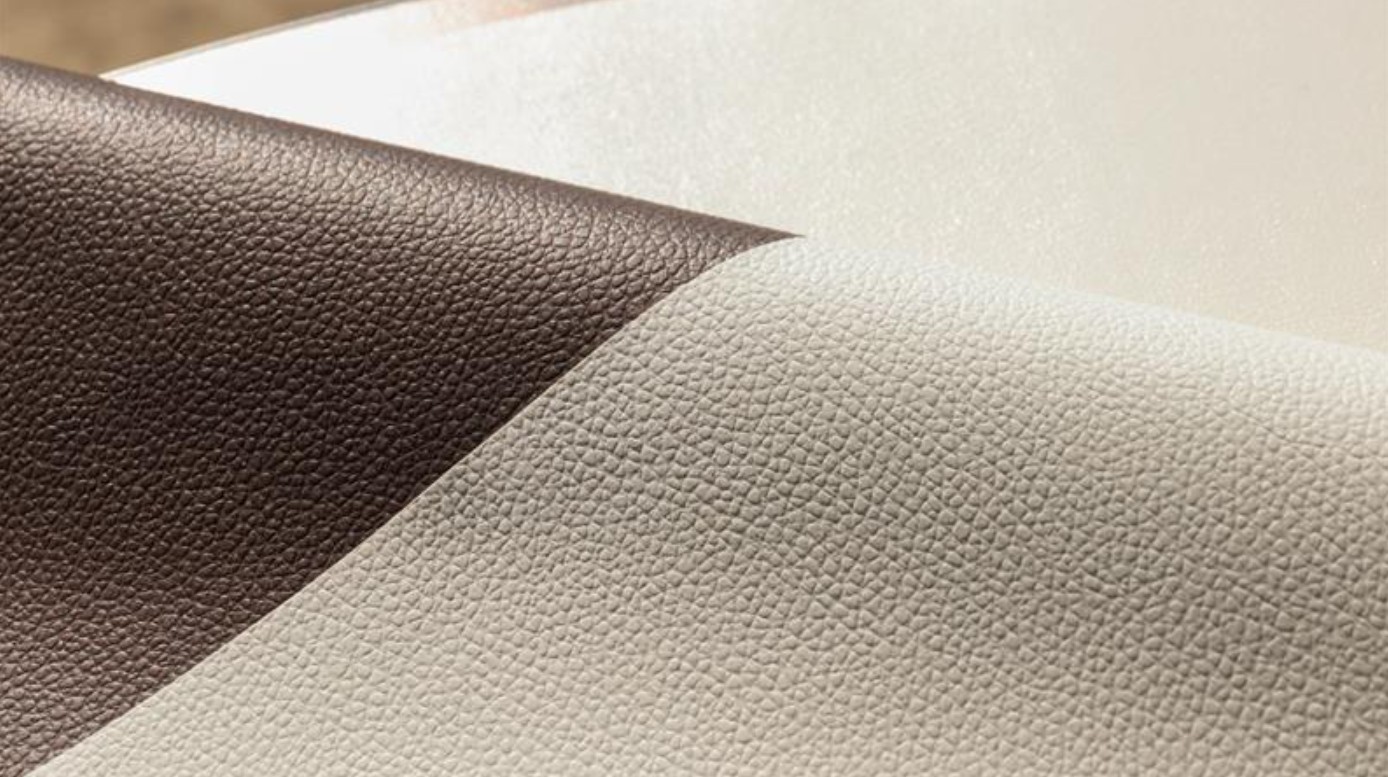
Vegan leather is a general term for materials that follow the “two no’s” principle:
- No animal-derived sources
- No animal testing
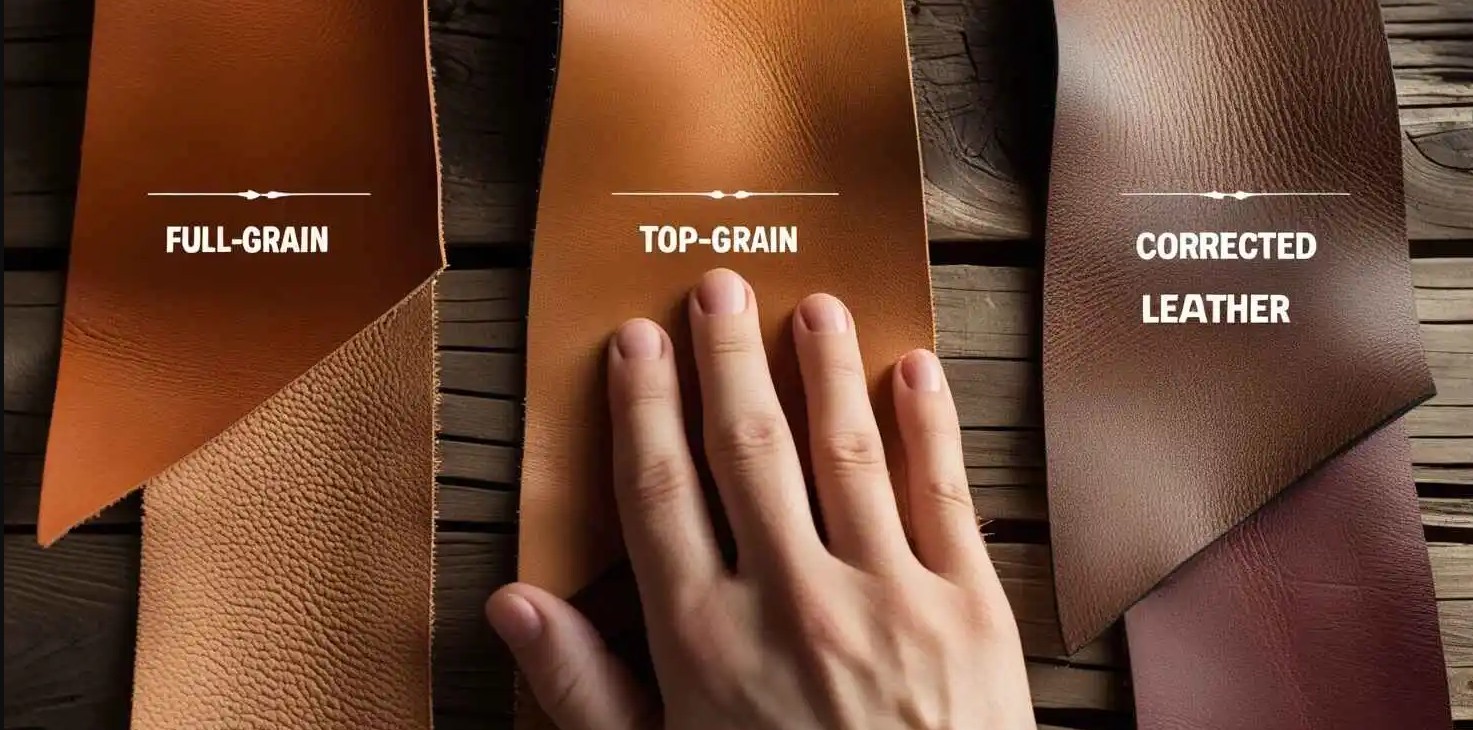
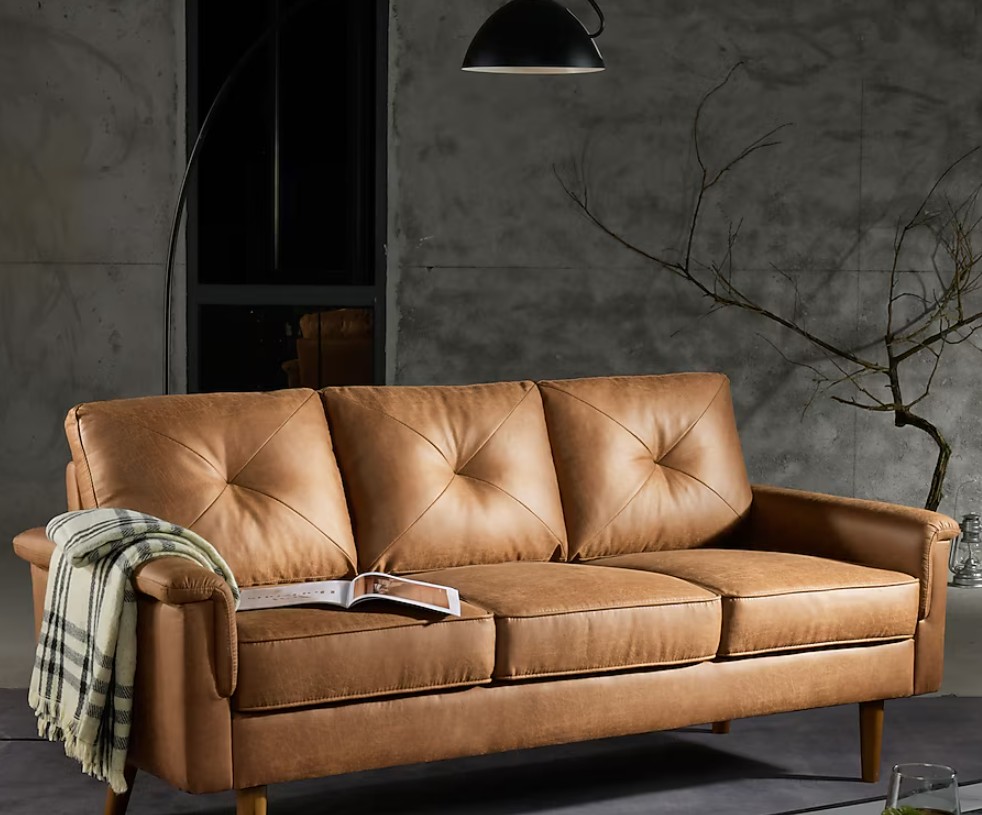
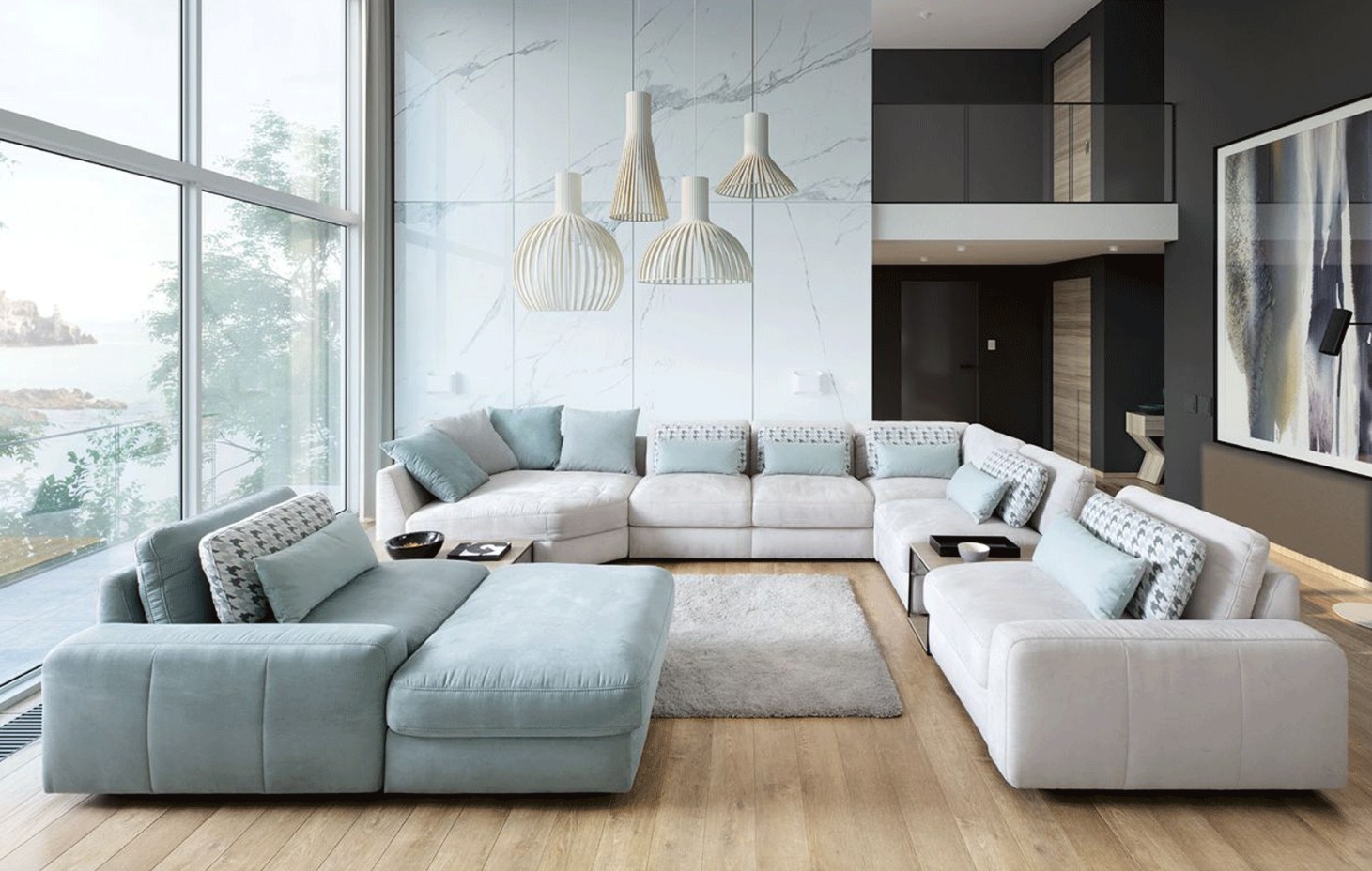
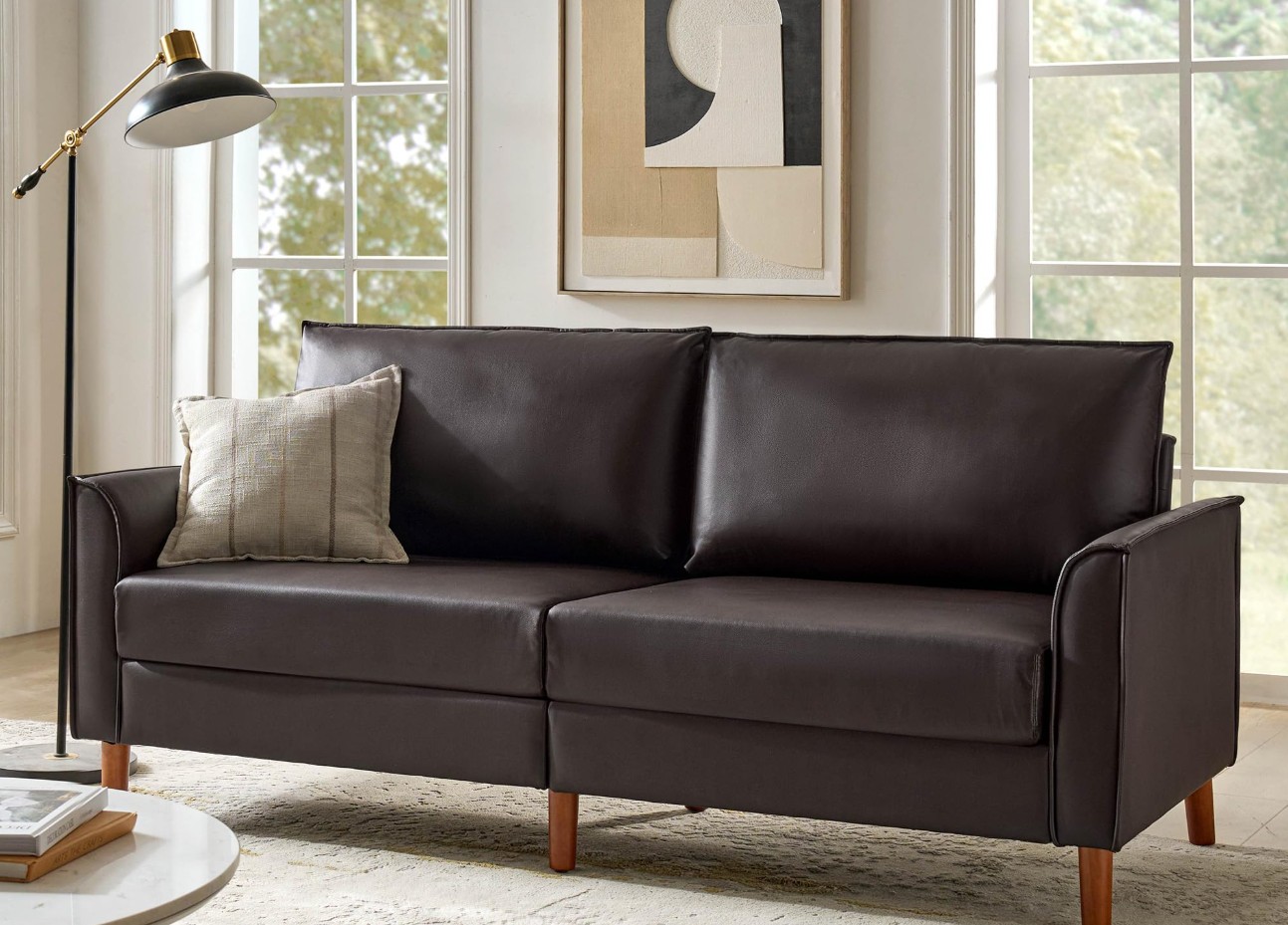
It is designed to replicate the texture and appearance of genuine leather while offering a more sustainable and eco-friendly alternative. Today, vegan leather is widely used in premium furniture, from sofas and chairs to decorative pieces. Beyond interiors, it has also become a popular choice in fashion, footwear, and accessories, aligning perfectly with the values of modern, conscious consumers.
Now, let’s explore the different types of vegan leather together with The Sofa Furniture in the next section.
2. Types of Vegan Leather by Production Origin
Vegan leather can generally be divided into two main categories:
2.1. Bio-based Vegan Leather
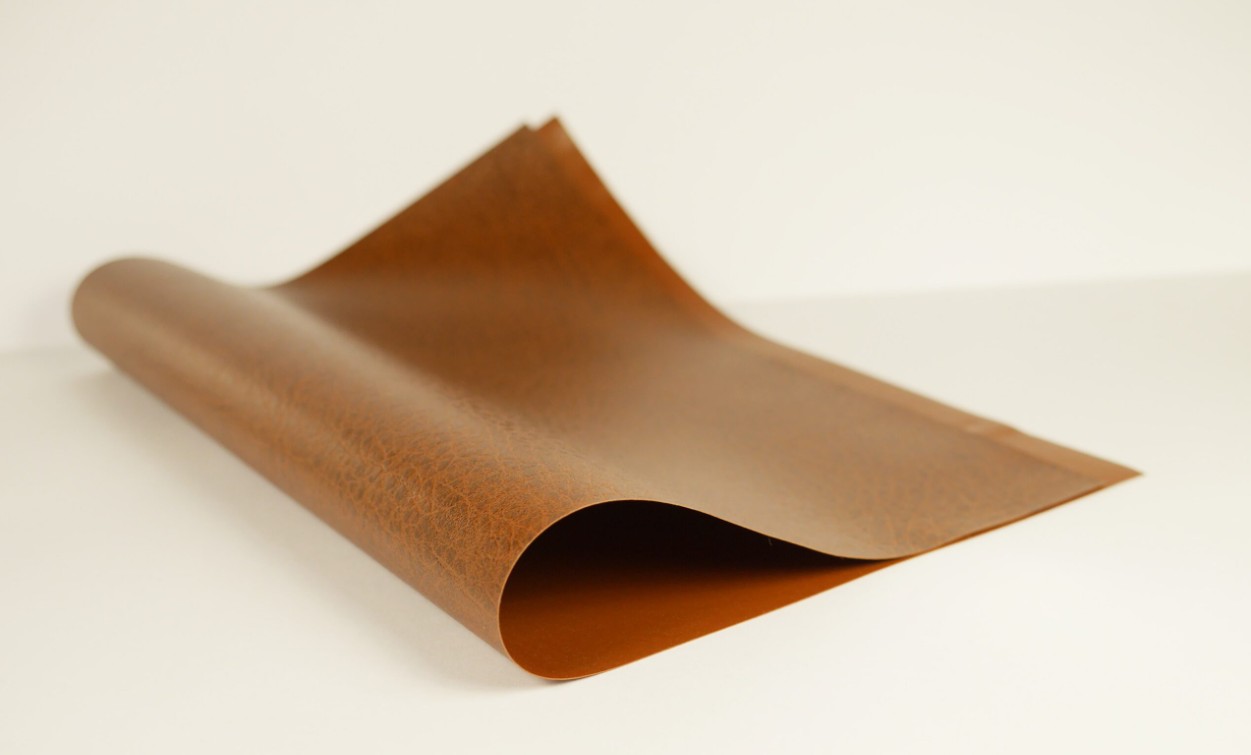
Bio-based vegan leather is a type of leather made from plant-based sources and regenerated proteins. Its goal is to replicate the texture and appearance of real leather while remaining environmentally friendly.
Some common types include:
- Pineapple Leaves: Made from pineapple leaf fibers – a byproduct of fruit harvesting. Piñatex, developed by the brand Ananas Anam, is one of the most well-known examples.
- Mushroom Fibers: Created from mycelium, the root-like structure of mushrooms, offering a natural leather-like texture. Mylo™ is a pioneering brand in this field.
- Cactus: developed by a Mexican company Desserto, uses Nopal cactus, a native succulent, to produce partially biodegradable, durable leather alternatives.
- Banana Fibers: Made from banana peels and leaves, this material is lightweight and flexible, ideal for sustainable fashion and interior applications. Bananatex® from the Philippines is a prime example.
- Coconut Water: Companies like Malai Eco (India) use waste coconut water from food processing to cultivate bacteria that generate natural cellulose, resulting in a soft, leather-like, and sustainable material.
- Coffee Grounds: Crafted from spent coffee grounds mixed with bio-polymers or polyurethane, this material mimics real leather while retaining a subtle coffee aroma – a charming touch for coffee enthusiasts.
These innovations are paving the way for a more sustainable and ethical future in material development, allowing furniture, fashion, and accessory brands to meet both aesthetic and environmental expectations.
2.2. Synthetic Vegan Leather
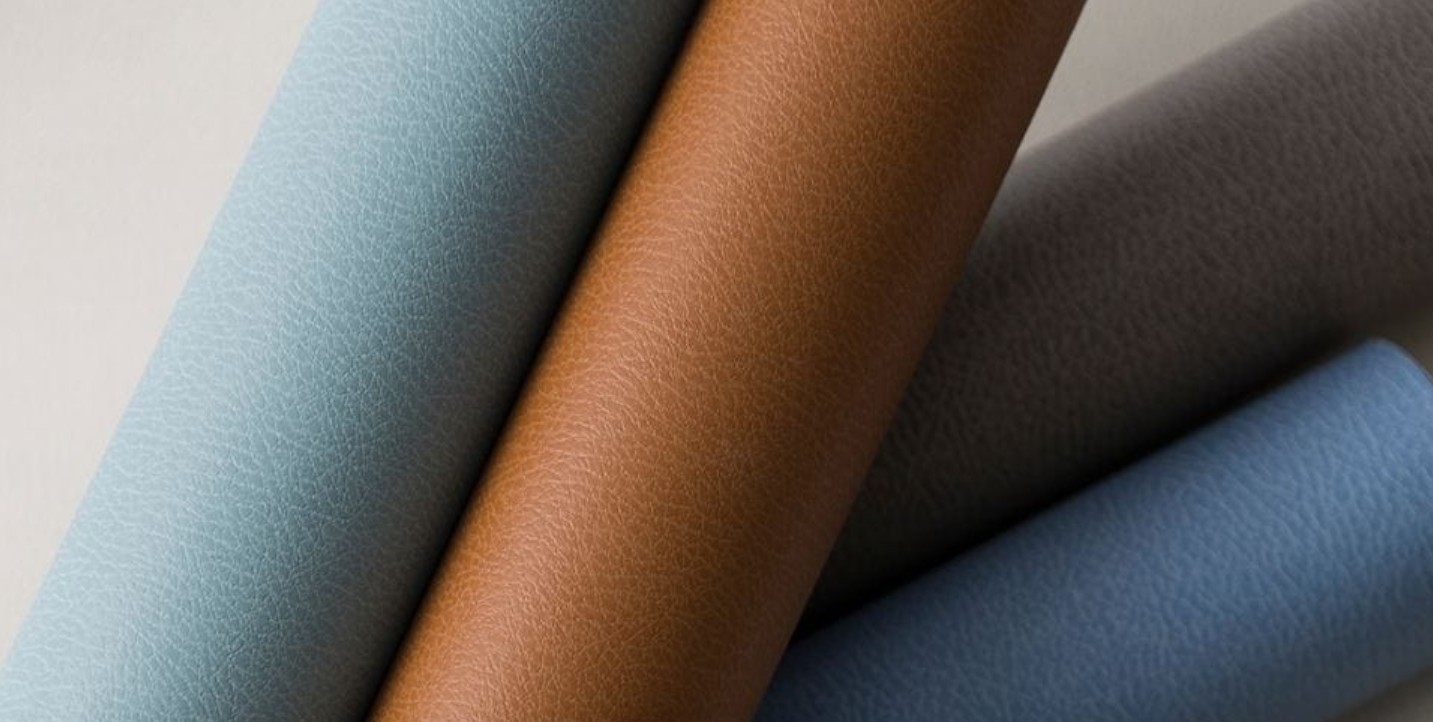
Synthetic vegan leather is made from plastic-based materials, typically derived from petroleum. It is easier to process and more cost-effective than plant-based leather. Common types include:
- Polyurethane (PU): The most widely used form of vegan leather today. PU is flexible, smooth, and can mimic genuine leather grains. It’s also easy to dye, emboss, and craft into refined details; making it a favorite choice for high-end sofas, footwear, and handbags.
- Polyvinyl Chloride (PVC): One of the earliest types of synthetic leather. It’s cheaper than PU but often involves toxic chemicals in production, raising environmental concerns. PVC is durable and waterproof, though less supple and natural to the touch compared to PU.
Overall, synthetic vegan leather offers affordability, durability, and high processability, yet it also presents environmental challenges regarding recyclability and end-of-life impact.
3. How Is Vegan Leather Made?
3.1. The Production Process of Bio-based (Plant-based) Vegan Leather
| STEPS |
DESCRIPTION |
| STEP 1 | Collecting & Preparing Raw Materials
Plant-based ingredients such as pineapple leaves, cactus, mycelium, apple peels, or coffee grounds are cleaned, shredded, or ground into cellulose fibers or biomass pulp. They are then blended with natural binders like latex, proteins, or bio-based resins (PLA). |
| STEP 2 | Forming the Bio-material Sheets
The mixture is flattened on a frame or conveyor and then dried, either naturally or through controlled heating. In some specialized processes (like Mylo™ by Bolt Threads), mycelium fibers are cultivated in a controlled environment, allowing them to form natural 3D structures that replicate the texture and feel of genuine leather. |
| STEP 3 | Coloring & Surface Finishing
Once the sheets are formed, they are dyed using natural or bio-based pigments. A thin protective coating – typically made from bio-resin, is applied to enhance durability and water resistance. The surface can then be embossed or lightly polished to achieve a natural leather-like appearance. |
| STEP 4 | Testing & Sheet Cutting
The finished bio-leather undergoes a series of tests, including tensile strength, elasticity, water resistance, and biodegradability, before being cut and prepared for mass production. |
>> Read more: Leather Factory Sofa Tips: Choosing the Right Export Upholstery
3.2. The Production Process of Synthetic (Plastic-based) Vegan Leather
| STEPS | DESCRIPTION |
| STEP 1 | Preparing the Base Fabric
The process starts with a textile base: typically polyester, cotton, or nonwoven fabric. This base layer provides strength, flexibility, and structure to the final product. |
| STEP 2 | Creating the Polymer Coating
Liquid PU (polyurethane) or PVC (polyvinyl chloride) is applied to the fabric surface. In PU leather production, manufacturers often add plasticizers, foaming agents, and UV stabilizers to enhance softness, elasticity, and durability. |
| STEP 3 | Embossing Patterns & Leather Grains
Once coated, the material is heat-pressed using engraved metal rollers to create natural-looking textures, such as cowhide, crocodile skin, or suede. This step gives the surface a realistic leather appearance with refined tactile depth and luxury. |
| STEP 4 | Coloring & Surface Finishing
The material is dyed and then coated with a thin PU layer to improve water resistance, scratch protection, and surface gloss. Premium PU leathers may include an ultra-fine micro-layer for a soft, warm hand feel that closely mimics genuine leather. |
| STEP 5 | Cutting – Testing – Rolling – Packaging
Finally, the material is tested for thickness, stretch, color fastness, and water resistance before being rolled and shipped to manufacturers of sofas, handbags, and footwear. |
To explore more about how PU and PVC leather are produced, feel free to check out our in-depth guides on these two materials below.
4. Pros and Cons of Vegan Leather
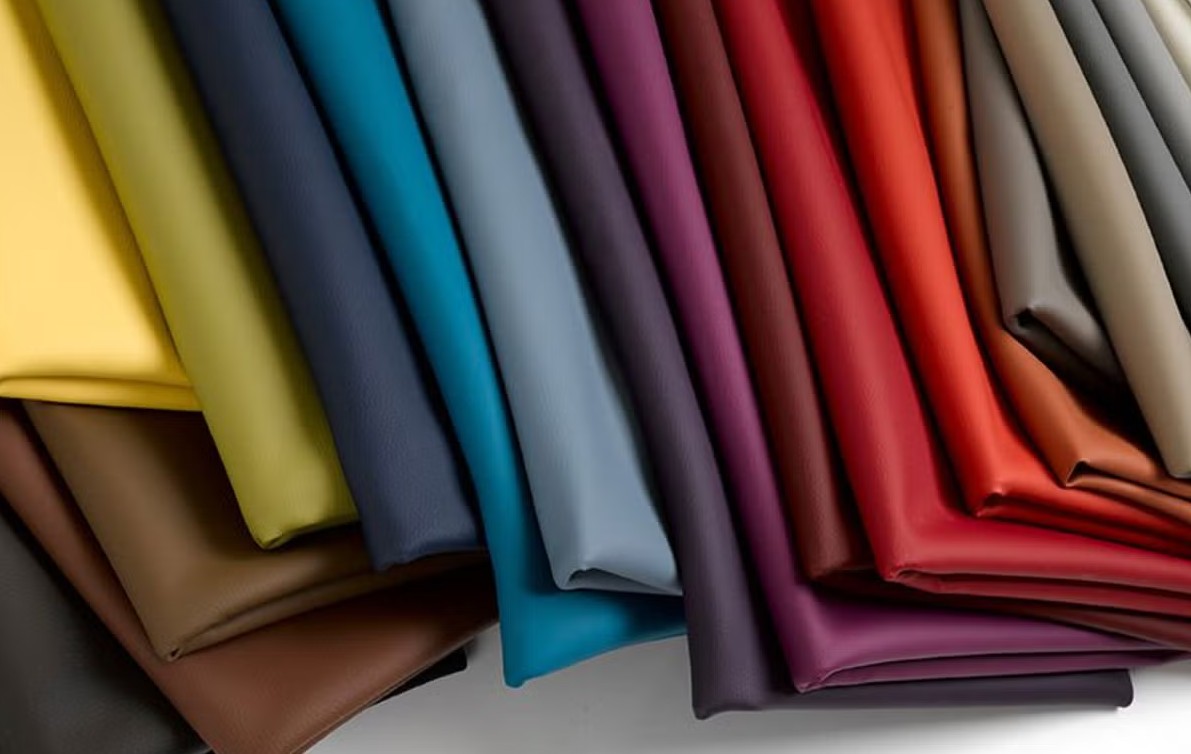
4.1. Pros
No Animal-Derived Materials
Vegan leather is made entirely from non-animal sources, reflecting a commitment to ethical and sustainable living. For businesses, this means an easier path to building a cruelty-free brand image – one that resonates with younger, environmentally conscious consumers, a growing and influential market segment.
Customizable Material Properties
Whether bio-based or synthetic, vegan leather offers impressive flexibility in terms of texture, softness, color, water resistance, and surface pattern. This allows manufacturers and designers to tailor each material to specific product needs, unlocking greater creativity and a more stable, adaptable supply chain compared to traditional leather.
Fast and Scalable Production
Unlike genuine leather, which depends heavily on animal farming and tanning cycles, synthetic vegan leathers like PU and PVC can be mass-produced using streamlined industrial processes. This ensures greater consistency in output, better cost control, and faster turnaround, crucial advantages in global manufacturing and export.
Easy Maintenance and Cleaning
Many types of vegan leather are water-resistant, stain-repellent, and easy to clean, making them ideal for furniture upholstery, automotive interiors, handbags, and home décor. In fact, they often require less maintenance than genuine leather, which can be sensitive to humidity and temperature changes.
A Step Toward Sustainable Manufacturing
Some bio-based leather producers are now developing materials that are recyclable or biodegradable after use – a promising move toward a circular economy. These innovations help reduce waste and environmental impact compared to traditional plastic-based materials.
4.2. Cons
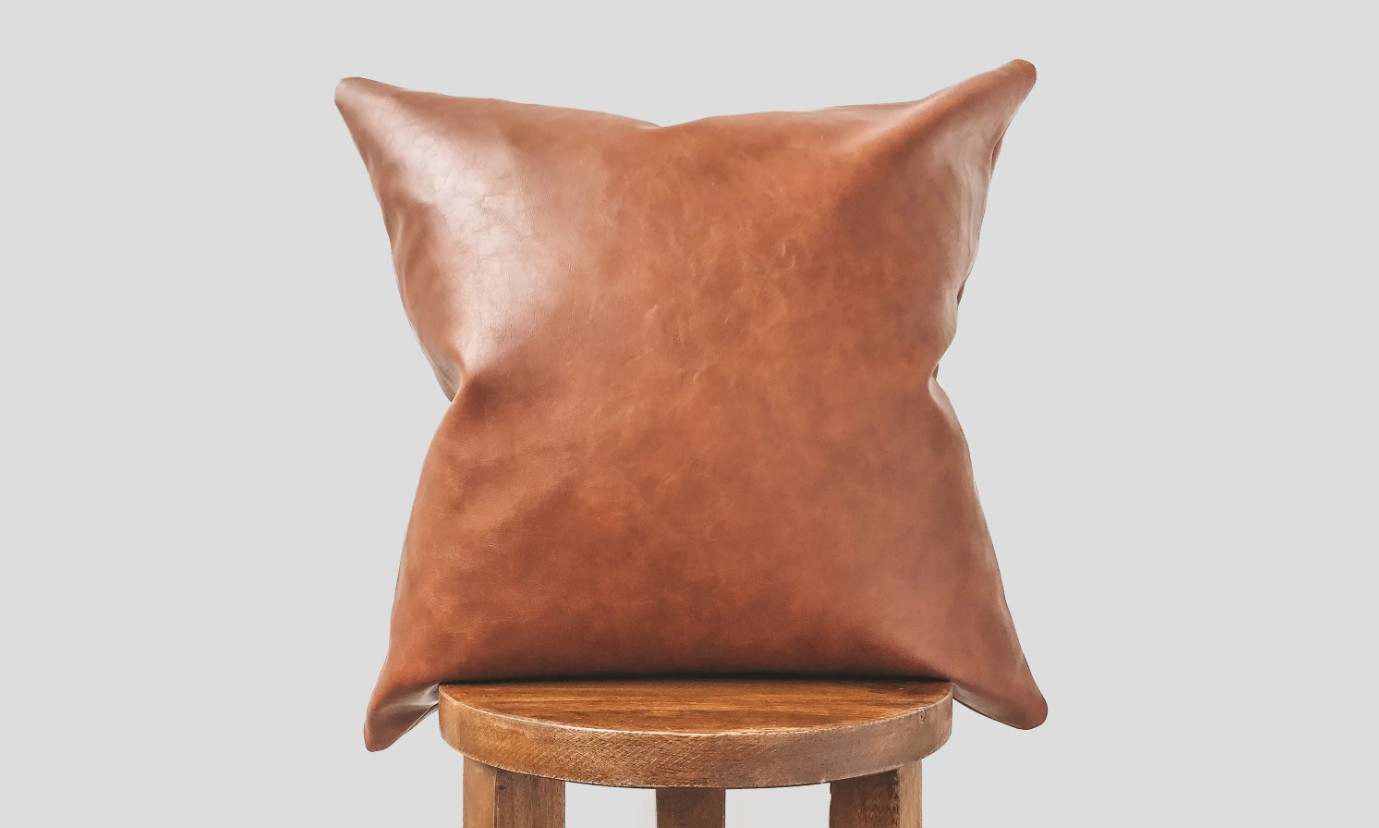
Not Entirely “Green” as Marketed
PU and PVC leathers are still petroleum-based materials that are difficult to decompose and may release microplastics over time. Their production also involves emissions and toxic chemicals such as phthalates and dioxins. As a result, experts often view PU and PVC leather as “less harmful” rather than truly sustainable alternatives.
Shorter Lifespan than Genuine Leather
Natural leather’s collagen fiber network gives it strength, breathability, and elasticity – qualities that vegan leather still struggles to match. Synthetic versions tend to peel, crack, or fade with time, especially under sunlight or humidity.
Limited Breathability & Natural Feel
Synthetic leather generally lacks the breathability of real hide, which can lead to heat buildup when used in sofas, car seats, or clothing. Despite technological improvements in surface coating and texture, some vegan leathers may still feel slightly plastic or artificial to the touch.
Difficult to Recycle, Shorter Lifecycle
Most synthetic vegan leathers are composed of multiple layers: fabric backing, polymer coating, and surface embossing… making them hard to separate and recycle efficiently. Once discarded, they can take centuries to break down. Biodegradable bio-leathers are emerging as a potential solution, but they remain niche and relatively costly for large-scale production.
5. Genuine Leather vs. Vegan Leather – The Debate That Never Ends
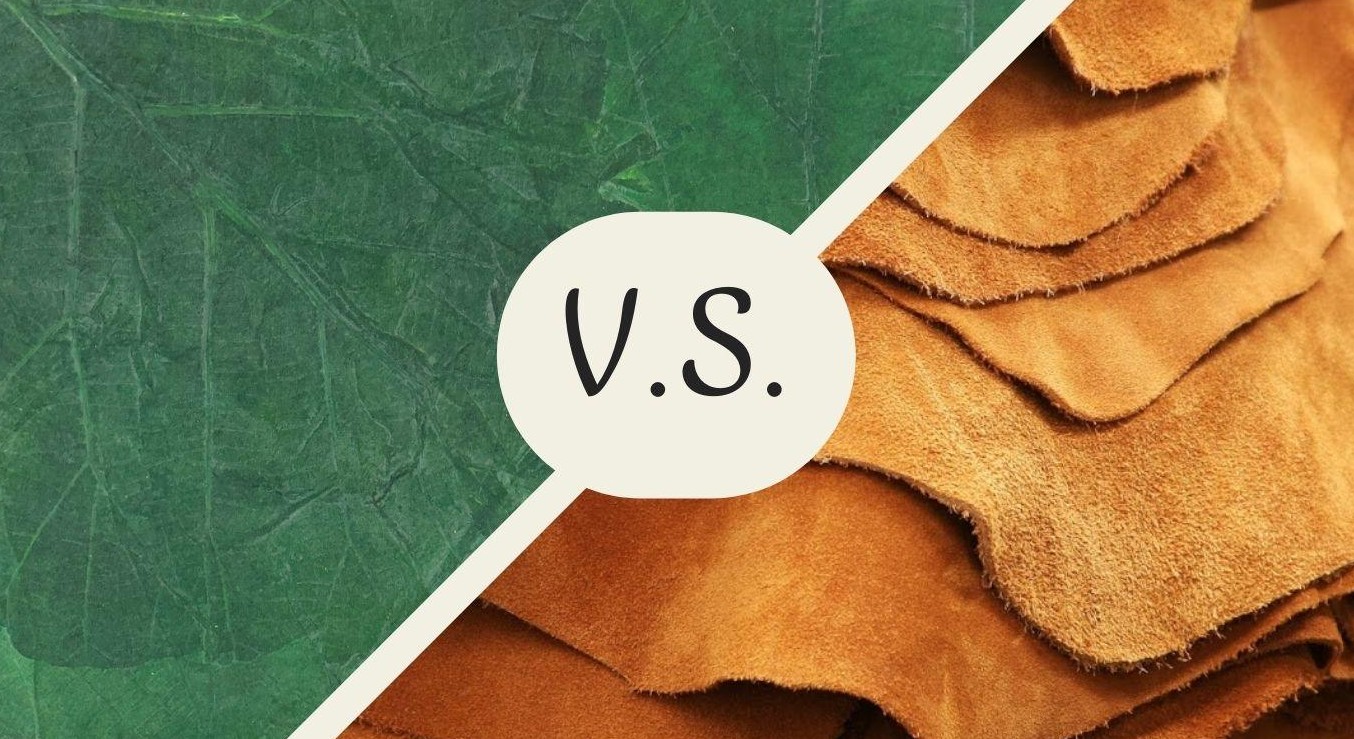
The environmental impact between genuine leather and vegan leather has long been a topic of endless debate. For years, experts and sustainability-driven brands have yet to reach a definitive conclusion on which material has a greater impact on the planet.
Below is a comprehensive comparison table curated by The Sofa Furniture, analyzing key environmental aspects between the two materials.
| Aspect | Genuine Leather (Animal Leather) | Vegan Leather |
| Source Material | Derived directly from animals (mainly cowhide).
In the supply chain, it’s inherently tied to livestock farming – involving land use, feed consumption, and extensive water resources. |
Includes two main categories:
➤ Common ground: No animal-derived components. |
| Greenhouse Gas Emissions (GWP) | The livestock industry releases significant greenhouse gases (CO₂, CH₄), combined with tanning and transportation, resulting in a high carbon footprint per product unit.
Livestock production remains the main driver of GWP in animal leather. |
Bio-based vegan leather typically has a much lower GWP, thanks to renewable inputs and reduced reliance on fossil fuels. However, PU and PVC leathers still produce notable CO₂ emissions due to their petroleum-based nature. |
| Water Consumption | Both animal rearing and leather tanning require tremendous water use, from livestock hydration to hide washing and chemical tanning. As a result, genuine leather has one of the highest water footprints among materials. | Synthetic vegan leather generally consumes less water during production.
Bio-based vegan leather also uses significantly less water than animal leather, though the exact savings depend on the manufacturer’s process and technology. |
| Chemical Use & Pollution | Traditional tanning processes involve chromium, salts, and preservatives. Without proper wastewater treatment, these can lead to severe environmental contamination. | Synthetic leather manufacturing often uses solvents and chemical additives, which can still be polluting.
By contrast, most bio-based leathers require fewer toxic chemicals, especially when produced using eco-optimized methods. |
| Durability | Genuine leather has a natural collagen fiber structure, which provides elasticity and durability when properly tanned and maintained. | Synthetic vegan leather can be durable but tends to peel or crack over time.
Bio-based leathers are improving and some can last for years, but overall longevity still falls short of genuine leather. |
| Aesthetic Appeal | Genuine leather offers natural softness, breathability, and flexibility. Over time, it develops a unique patina- a hallmark of authenticity and craftsmanship. | Thanks to modern surface-coating technology, vegan leather can now closely mimic the color and texture of real leather.
However, some types still lack breathability and may feel slightly “plastic-like.” |
| Biodegradability & Recyclability | Once treated with chemicals, animal leather becomes non-biodegradable and difficult to recycle. Most recycling happens manually and on a small scale due to material complexity. | Synthetic leathers are hard to decompose or recycle because of multilayered structures.
Some bio-based leathers are designed to be biodegradable or more recyclable, provided minimal synthetic additives are used. |
| Cost & Production Feasibility | The cost of livestock, tanning, and quality control makes genuine leather relatively expensive, especially in the premium segment. That said, its supply chain remains well-established and stable. | Synthetic vegan leather is cheaper and easier to mass-produce, making it ideal for scaling production.
Bio-based vegan leather, however, remains costly due to limited production capacity and emerging technology. |
| Ethical Values & Brand Perception | Genuine leather continues to face ethical scrutiny among vegan and eco-conscious consumers. Still, for many brands, real leather remains a symbol of luxury, heritage, and authenticity. | Vegan leather aligns perfectly with cruelty-free and sustainable brand messaging, helping companies attract environmentally and ethically minded consumers. |
|
In fact, when we take a closer look at each comparison above, it becomes clear that both real and vegan leather have their own environmental impacts – they simply differ in nature and degree. Genuine leather carries the carbon burden of the livestock industry, while vegan leather, though animal-free, still involves the use of plastics and industrial energy during production. Therefore, the key is not about deciding which material is “better” or “less harmful,” but about how we understand and use them responsibly. When businesses and consumers recognize the value of each material and make thoughtful choices based on their needs, ethical beliefs, and environmental awareness, they can naturally find the solution that aligns best with their vision of sustainability. |
We hope that The Sofa Furniture’s insights on vegan leather, along with our analysis of its environmental impact and role in modern manufacturing, have provided you with a deeper, more practical perspective.
As a sofa factory in Vietnam with over 15 years of experience in global sofa production, our mission at The Sofa Furniture is to deliver unique, high-quality sofa collections that bring both aesthetic and commercial value to your business.
If your company is looking for a trusted manufacturing partner, The Sofa Furniture is ready to collaborate and create exceptional products together. Contact us today to get started!
📞 Hotline / WhatsApp: +84-975-947-573
📧 Email: [email protected]
📍 USA Office: 2465 Pine Lake Rd, Tucker, GA 30084, USA
🏭 Factory: Phu Thu hamlet, Phu An village, Ben Cat City, Binh Duong, Viet Nam
⏰ Working Hours: 8:00 AM – 5:00 PM
-

-
 03/11/2025