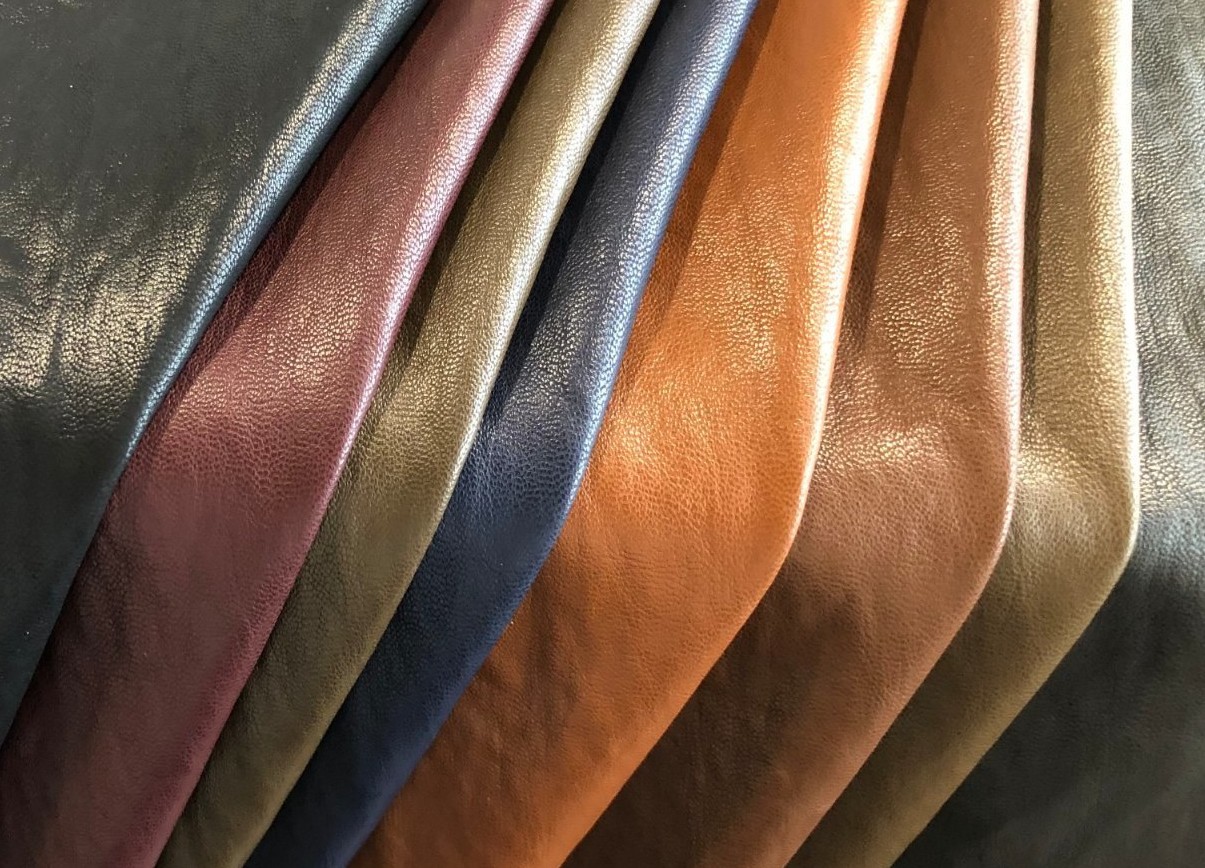
Everything You Need to Know About PVC Leather
Thanks to its affordable price, durability, and low-maintenance nature, PVC leather has become a trusted choice for businesses in the production of sofas, handbags, and commercial interior products.
While it may not carry the same luxurious appeal as genuine leather or PU leather, PVC leather has carved out its own niche thanks to its practicality and outstanding cost-effectiveness. Let’s explore the ins and outs of this material with The Sofa Furniture – from its structure and characteristics to tips on choosing the right type for each sofa line.
1. What Is PVC Leather?
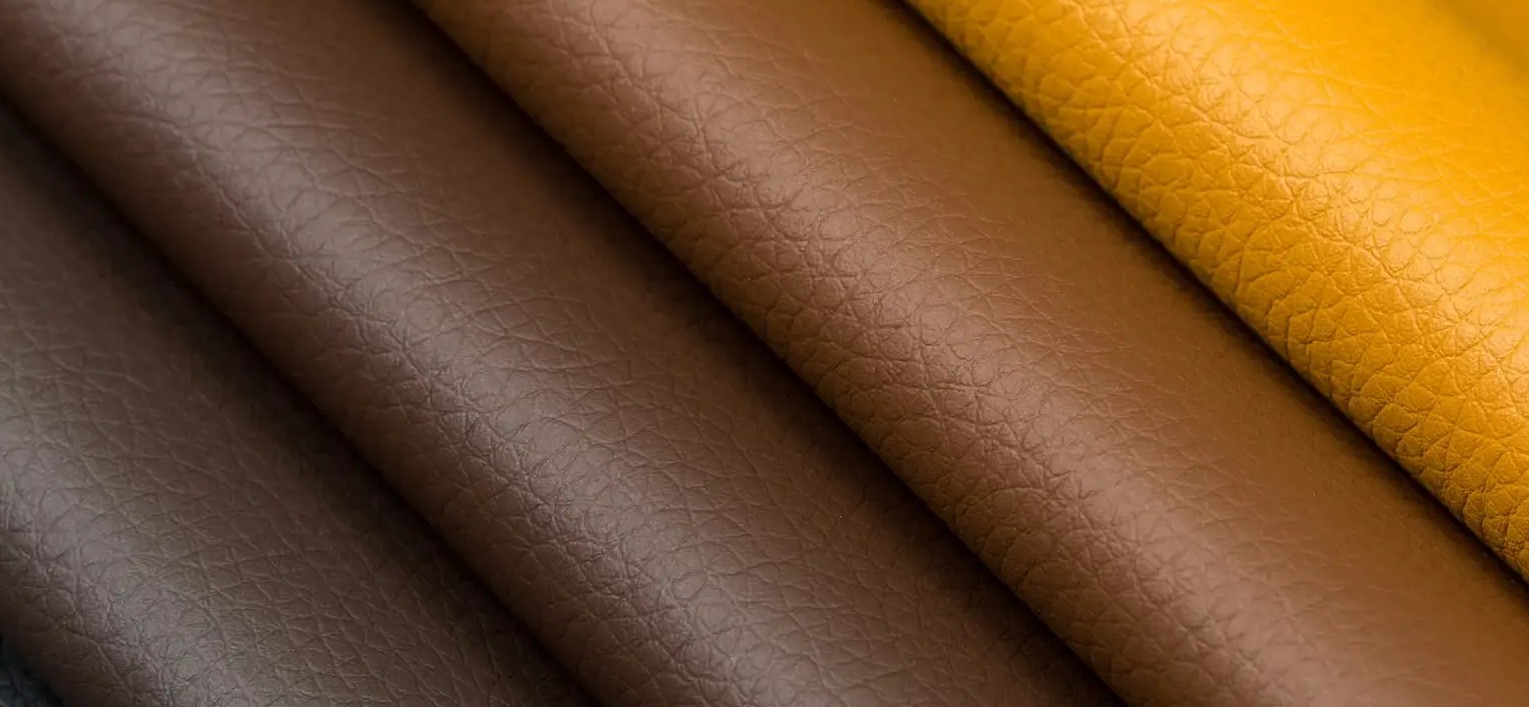
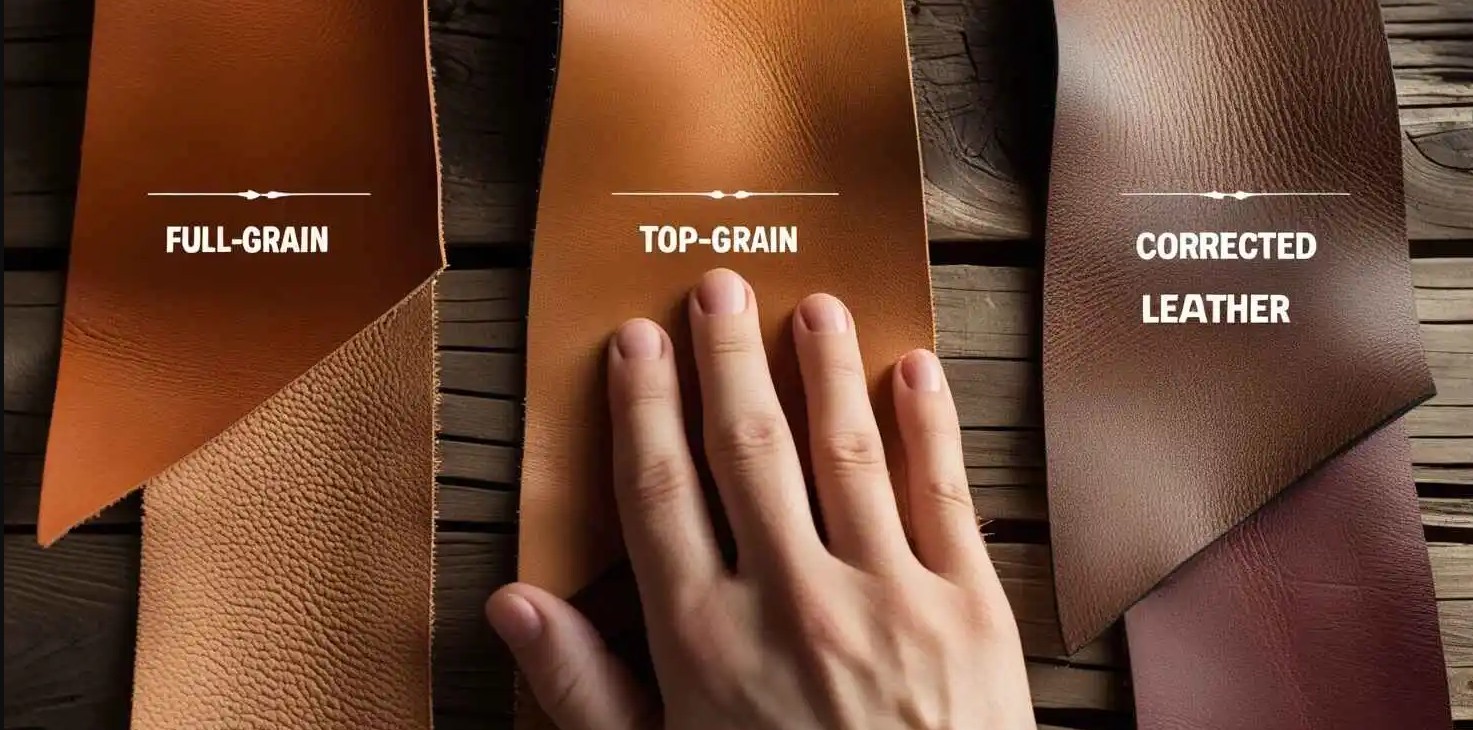
Essentially, PVC leather is a synthetic material made from polyvinyl chloride (PVC) – a widely used polymer in the industrial materials sector. During production, one or more layers of PVC are coated onto a fabric base (commonly cotton, polyester, or non-woven fabric), then embossed, dyed, and surface-treated to create a look and feel that closely mimics genuine leather.
The result is a material with an attractive surface, high durability, easy maintenance, and, most importantly, a significantly lower cost compared to natural leather. Thanks to these advantages, PVC leather finds broad applications in furniture, automotive interiors, fashion, and especially sofa upholstery – where durability and aesthetics are crucial, yet cost efficiency cannot be compromised.
However, it’s important to note that PVC leather isn’t as breathable as real leather. Over time, it may become stiff or crack if frequently exposed to sunlight or dry, hot environments. Additionally, the production and disposal of PVC present environmental challenges, as the material is not easily biodegradable and can release harmful substances if mishandled.
Overall, PVC leather offers a practical alternative to genuine leather for products that require durability, aesthetic appeal, and cost-effectiveness – from suitcases and shoes to office chairs and mainstream furniture lines.
2. The PVC Leather Production Process
Step 1: Preparing the Fabric Base
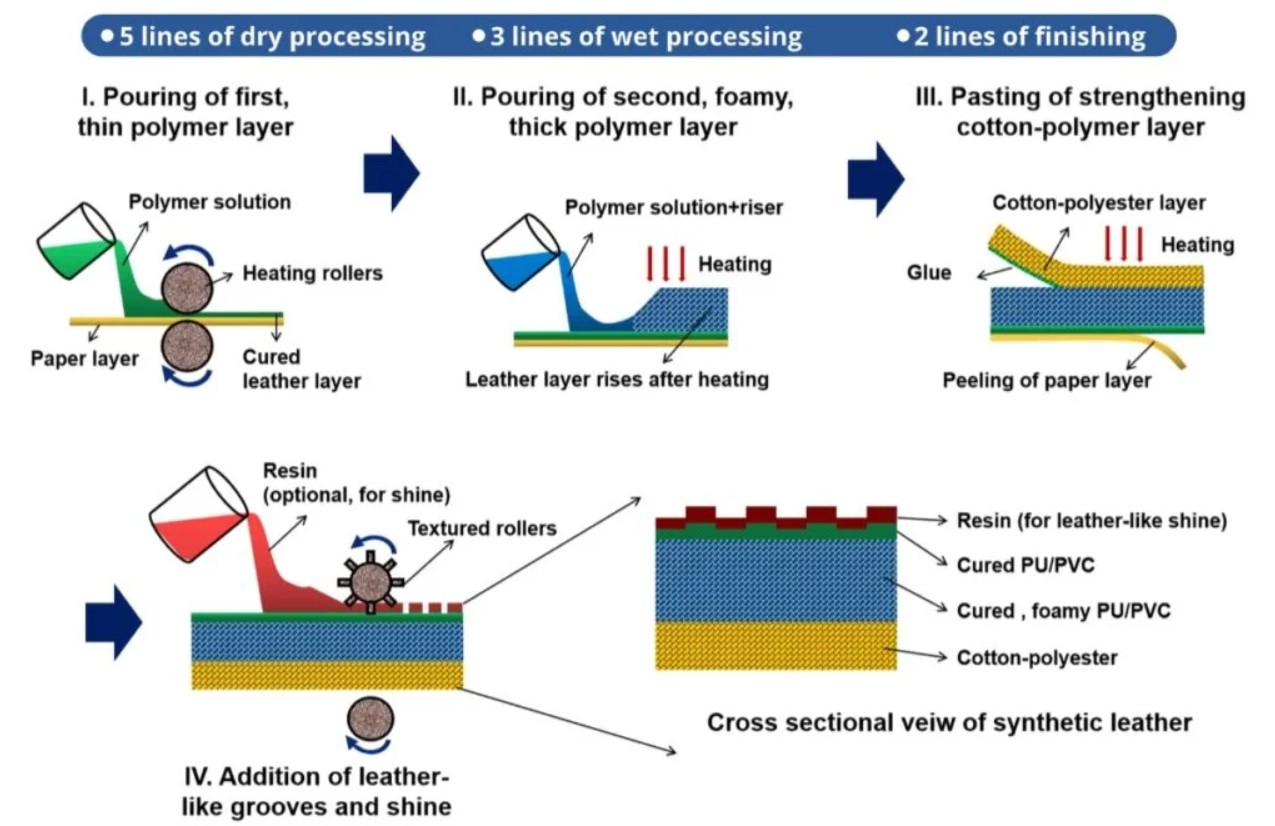
Every sheet of PVC leather requires a fabric base – typically woven fabric, non-woven fabric, or polyester mesh. This layer acts as the “skeleton,” providing durability and strength to the PVC leather. Before applying the PVC coating, the fabric is cleaned and surface-treated to improve adhesion with the subsequent PVC layers.
Step 2: Mixing the PVC Compound
Next comes the mixing of PVC pellets with additives such as plasticizers (to make the PVC flexible), heat stabilizers, colorants, and fillers. All ingredients are thoroughly blended in a high-speed mixer to form a smooth, uniform, and viscous PVC compound – the “primary material” for coating the fabric.
For products requiring a soft touch, like sofas or seating, manufacturers may add a foaming agent to the mixture. When heated, this agent produces tiny air bubbles within the PVC layer, creating a fine, cushioned texture – making the final PVC leather soft and lightweight. For products that need a firmer surface, this step can be skipped.
Step 3: Applying PVC to the Fabric Base
At this stage, the prepared PVC compound is either coated or laminated directly onto the fabric base. Depending on the type of leather, manufacturers can choose:
- Calendering: Passing the fabric through large rollers to evenly spread the PVC layer.
- Casting: Pouring liquid PVC onto a flat mold and pressing it onto the fabric base.
After this step, a basic sheet of PVC leather is formed, but it is still raw and lacks the desired texture or softness. This leads to the next stage: embossing and surface finishing.
Step 4: Embossing and Surface Finishing
This stage transforms the PVC sheet to resemble genuine leather. The sheet passes through an embossing machine, where metal rollers with raised or recessed patterns create natural-looking leather grains. Then, workers apply protective coatings, gloss layers, or UV-resistant finishes to enhance colorfastness and scratch resistance.
Step 5: Cooling, Cutting, and Quality Inspection
Once the surface is finished, the PVC leather is cooled and cut to standard sizes, then inspected for quality:
- Is the thickness consistent?
- Are the textures even?
- Is the PVC firmly bonded to the fabric base?
- Is the color uniform?
Step 6: Rolling, Packaging, and Storage
Finally, sheets that pass inspection are rolled into large rolls, labeled by color code, thickness, and texture type, then packaged and stored for delivery. From here, PVC leather is ready for sofa factories, furniture workshops, or footwear manufacturers to cut and craft into finished products.
>> Read more: Leather Factory Sofa Tips: Choosing the Right Export Upholstery
3. What Are the Advantages and Disadvantages of PVC Leather?
3.1. Advantages
Water and Stain Resistance
Thanks to its fully coated polyvinyl chloride structure, PVC leather completely resists water and oil absorption. As a result, stains are less likely to cling and can often be wiped clean with just a damp cloth. This property makes PVC leather an ideal choice for furniture, sofa upholstery, automotive interiors, or areas frequently exposed to liquids.
High Durability
The surface of PVC leather is treated to be scratch-resistant and highly wear-resistant, allowing products to maintain their aesthetic appeal over time. The material also resists hydrolysis, UV rays, and mold, ensuring long-lasting performance even under demanding conditions.
Color Stability
Another standout advantage is its ability to retain color. Thanks to advanced dyeing and surface treatment technologies, PVC leather maintains consistent hue and gloss even with regular exposure to sunlight or high temperatures.
Ease of Processing
PVC leather is easy to cut and stitch, enabling manufacturers to create diverse designs, detailed stitching, and intricate patterns without cracking or deforming the surface. This flexibility enhances design possibilities while optimizing production efficiency.
Fire and UV Resistance
Many premium PVC leather products meet fire-rated standards, meaning they can self-extinguish when exposed to heat, enhancing safety in interior applications. At the same time, UV-protected coatings prevent brittleness or fading when used outdoors.
Versatile Aesthetics
From cowhide and snake textures to suede-like effects or high-gloss finishes, PVC leather can be customized easily to match virtually any design style.
>> Read more: Top 5 Materials for Crafting High-Quality Sofa Factory Sofa Beds
3.2. Disadvantages
Limited Breathability
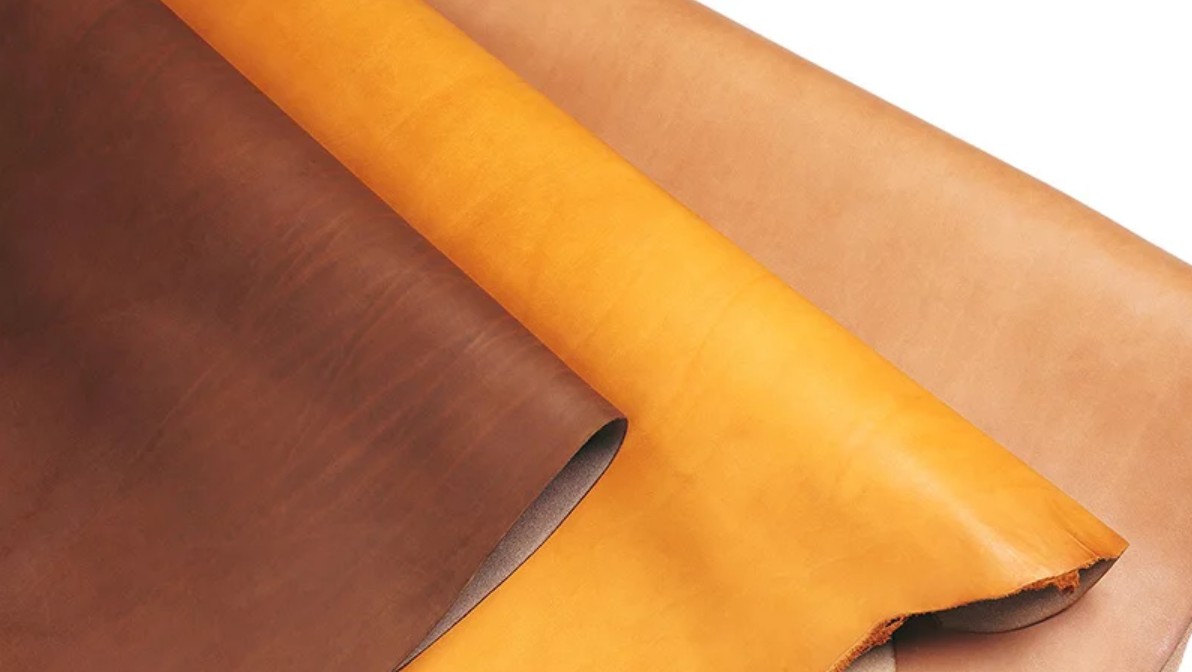
The very structure that makes PVC leather waterproof also limits its natural breathability. Its surface prevents air circulation, which can cause a stuffy or warm feeling during prolonged contact. For this reason, PVC leather is typically used in products that don’t stay in direct contact with the skin for long periods, such as office chairs, luggage, or public furniture.
Limited Softness and Flexibility
Compared to PU leather, PVC leather is stiffer and less elastic. Over time, the PVC layer may harden, crack, or peel, making it unsuitable for products that demand high suppleness, like premium sofas or luxury furniture.
Environmental Impact
This is one of the most frequently cited drawbacks. PVC leather production involves chlorine-based chemicals and phthalate plasticizers, which can release harmful gases if not properly controlled. Additionally, PVC is not biodegradable, complicating waste management and recycling, and increasing environmental pressure.
Color Durability and Touch
Although PVC leather resists fading under normal conditions, prolonged exposure to intense sunlight or high temperatures can still cause slight color loss or peeling of the coating. Moreover, the tactile feel of PVC leather often lacks the natural softness and warmth of genuine leather, giving a more artificial sensation.
Sensitivity to Temperature
Another drawback is its limited thermal stability. At low temperatures, PVC leather can become stiff and prone to cracking; in hot conditions, the surface may soften and feel slightly sticky. This requires careful handling and storage to maintain its quality.
>> Read more: High Quality Sofa Manufacturers in Vietnam – The Sofa Furniture
4. What’s the Difference Between PVC Leather and PU Leather?
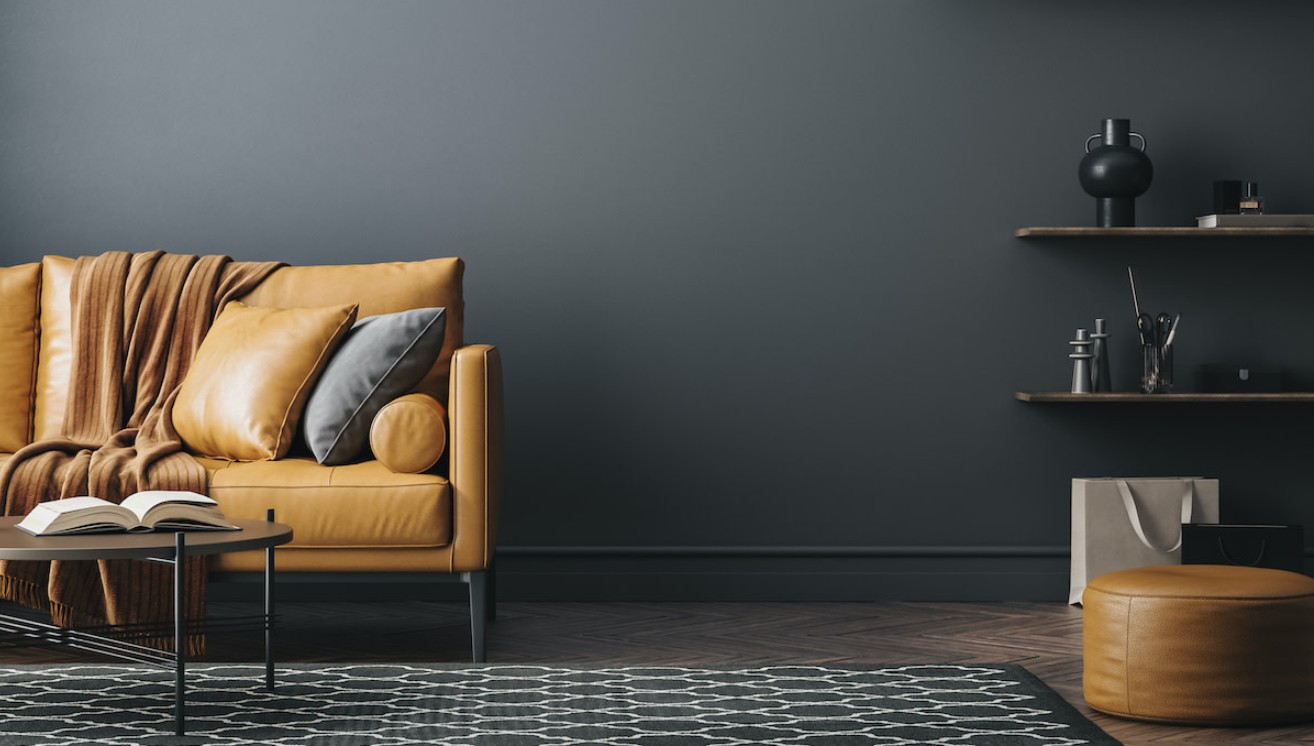
- In terms of composition, PVC leather (Polyvinyl Chloride) is made by layering multiple coats of PVC onto a fabric base, resulting in a thick, sturdy, and almost waterproof surface. On the other hand, PU leather (Polyurethane) uses a PU coating on cotton or polyester fabric, producing a softer, more flexible material that closely resembles genuine leather. The difference in their formulas directly affects durability, breathability, and tactile feel.
- Regarding user experience, PU leather offers better elasticity and breathability, providing greater comfort, especially during prolonged contact or in humid, tropical environments. In contrast, PVC leather’s closed structure makes it less breathable.
- When it comes to durability and cost, PVC leather excels in wear resistance, color retention, and moisture tolerance. It is also more affordable due to its simpler manufacturing process. PU leather, while more expensive, offers long-term value thanks to its flexibility and higher aesthetic appeal. However, without proper care, both materials can peel or crack over time.
- From an environmental perspective, the distinction is clearer. PU leather is generally considered more eco-friendly, particularly when produced using solvent-free or recyclable methods. In contrast, PVC leather production may release plasticizers and chlorine, raising concerns about pollution and post-use biodegradability.
To provide a clearer comparison between the two materials, we’ve summarized the differences in the table below:
| Criteria | PVC Leather (Polyvinyl Chloride) | PU Leather (Polyurethane) |
| Composition | Multiple layers of PVC coated onto a fabric base (cotton or polyester). | PU coating applied to a fabric base (cotton or microfiber). |
| Surface & Touch | Thick, glossy, firmer, less elastic. | Soft, flexible, closer to genuine leather. |
| Breathability | Low, due to closed structure and high water resistance. | Better breathability, offering comfort during extended use. |
| Water & Stain Resistance | Excellent water and dirt resistance; easy to clean. | Fairly water-resistant, but more prone to absorption than PVC. |
| Durability & Wear Resistance | Highly durable, resistant to abrasion and UV; retains color well. | Durable but less resistant than PVC in harsh conditions. |
| Cost | More affordable, suitable for mass-market or budget products. | Higher cost due to realistic feel and sophisticated production. |
| Environmental Impact | Production releases chlorine and chemicals; difficult to biodegrade. | More eco-friendly, especially when using solvent-free technology. |
| Common Applications | Public sofas, office chairs, luggage, shoes, budget furniture. | Home sofas, hotel furniture, premium car interiors, fashion items. |
>> Read more: Everything You Need to Know About PU Leather
5. Should You Choose PU Leather or PVC Leather for Upholstering Sofas?
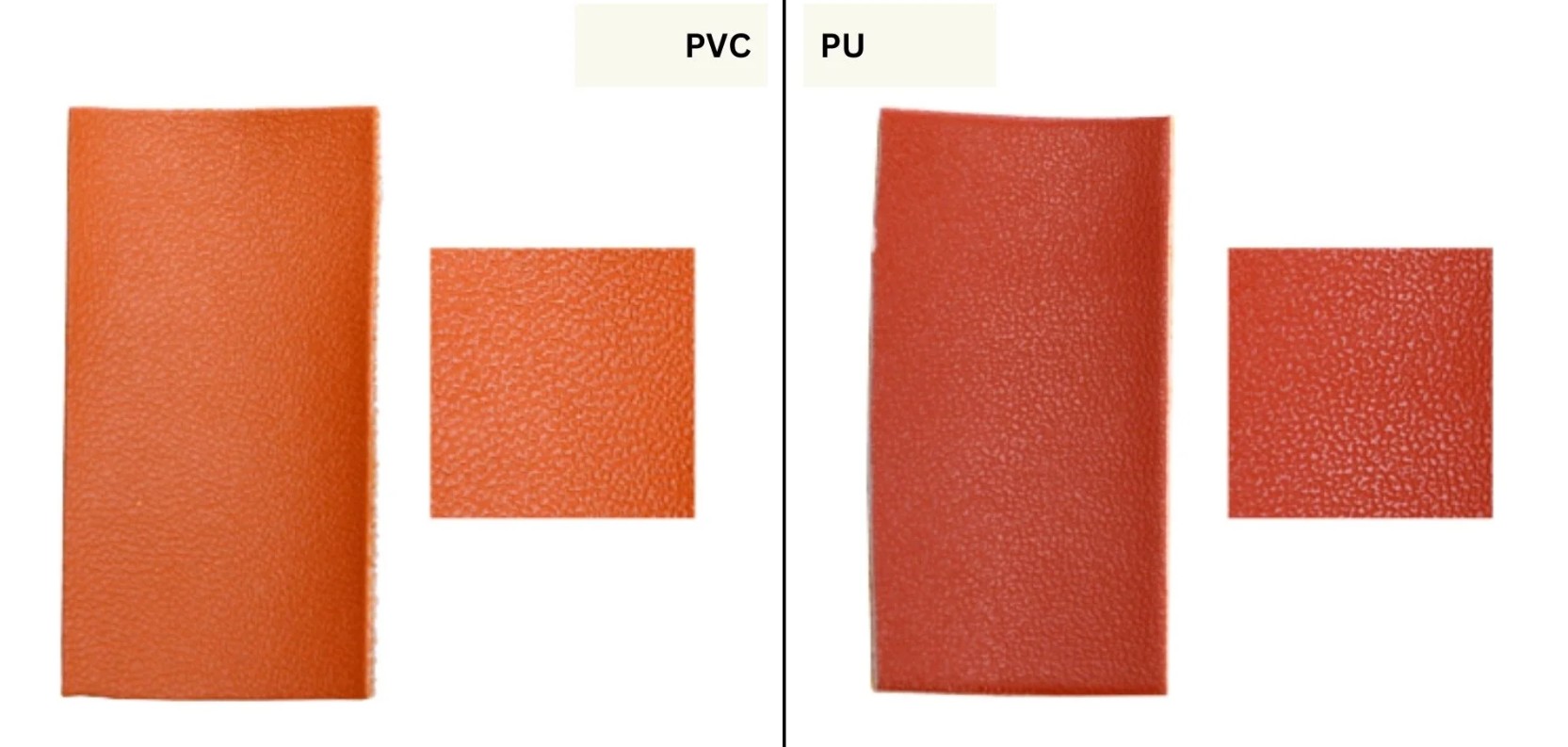
Both types of synthetic leather have their own advantages, and understanding the characteristics of each helps businesses make the most suitable choice.
5.1. User Experience and Aesthetics
If your goal is to create a sofa collection that prioritizes softness, flexibility, and a luxurious feel similar to genuine leather, PU leather is the better option. This material offers excellent elasticity and breathability, ensuring a comfortable seating experience over long periods.
In contrast, PVC leather has a thicker, glossier surface that conveys sturdiness, making it ideal for products that need to retain their shape or endure frequent use. Thanks to technological advancements, modern PVC leather can now achieve a softness approaching that of PU leather, significantly narrowing the gap in tactile feel.
5.2. Budget and Investment Efficiency
If cost is the primary concern, PVC leather is the more economical choice. It allows significant savings for large-scale sofa production or commercial furniture projects.
However, while PU leather comes at a higher price, it delivers a more luxurious experience and longer lifespan when properly maintained. Investing in PU leather is often worthwhile for premium segments, providing added value for high-end furniture collections.
5.3. Water Resistance and Durability
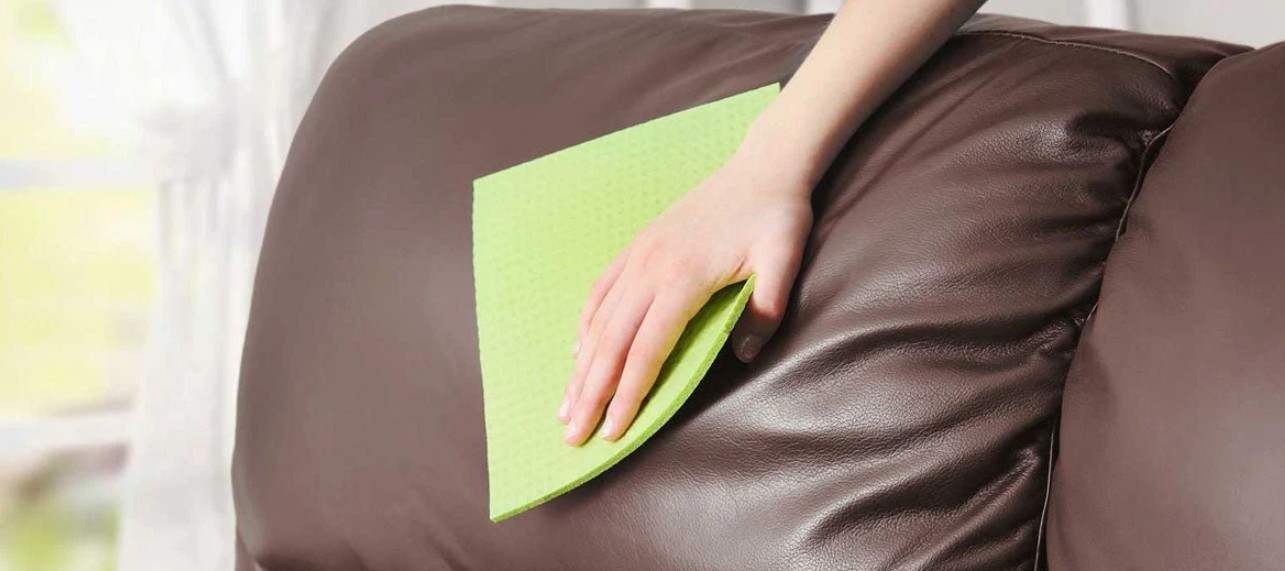
PVC leather stands out for its water resistance, mold resistance, and high abrasion tolerance, making it particularly suitable for humid environments, public spaces, or areas prone to spills. PU leather, on the other hand, offers better breathability and elasticity but slightly less water resistance.
Therefore, PVC leather sofas are ideal for outdoor furniture, public seating, or spaces requiring easy maintenance. PU leather sofas, conversely, are preferred for premium applications such as home sofas, hotel interiors, or fashion-oriented pieces.
If your business aims to offer sofas with a premium look, soft touch, and comfortable seating experience, PU leather is the ideal choice. Conversely, for commercial or industrial sofa projects that demand durability, water resistance, and cost efficiency, PVC leather provides a reliable and effective solution.
6. Where to Order High-Quality PVC Leather Sofas at Competitive Prices?
When seeking a reliable PVC leather sofa manufacturer, businesses need a partner with not only strong production capabilities but also a deep understanding of international market requirements. The Sofa Furniture proudly stands as one of Vietnam’s leading PVC leather sofa factories, offering flexible OEM services for global brands, with internationally standardized production processes and competitive pricing.
Partnering with us brings several practical benefits:
6.1. Premium Materials – Quality Guaranteed from the Source
At The Sofa Furniture, every component is carefully selected. Wooden frames are treated for termite resistance and kiln-dried to FSC standards, ensuring long-term structural durability. High-density foam, resilient springs, rust-resistant hinges, and heavy-duty webbing are all sourced from reputable suppliers.
Notably, the PVC leather used for upholstery undergoes strict quality checks for thickness, tension, and colorfastness – guaranteeing that every sofa leaving the factory meets aesthetic standards, durability requirements, and user safety expectations.
6.2. Fully Integrated Production – Optimized Costs and Timelines
The entire production process, from frame fabrication and leather upholstery to final finishing – is carried out in-house. This allows us to closely manage schedules, minimize intermediary costs, and ensure timely delivery even for large-volume orders or highly customized projects.
6.3. Rigorous Quality Control – Maintaining Export Standards
Every product undergoes multi-level QC before packaging, including frame strength testing, foam resilience, leather adhesion, and stitching inspection. All procedures adhere to strict export standards for demanding markets such as the U.S., Australia, and Japan.
>> Read more: How to Choose a Reliable Sofa Factory Vietnam for B2B Partners
With over 15 years of experience and a modern production system, The Sofa Furniture has become a trusted partner for numerous international furniture brands, providing PVC leather sofa solutions that are high-quality, flexible, and delivered on schedule.
Contact us today for detailed consultation and receive direct factory quotations for premium PVC leather sofas tailored to your target market.
📞 Hotline / WhatsApp: +84-975-947-573
📧 Email: [email protected]
📍 USA Office: 2465 Pine Lake Rd, Tucker, GA 30084, USA
🏭 Factory: Phu Thu hamlet, Phu An village, Ben Cat City, Binh Duong, Viet Nam
⏰ Working Hours: 8:00 AM – 5:00 PM
-

-
 03/11/2025