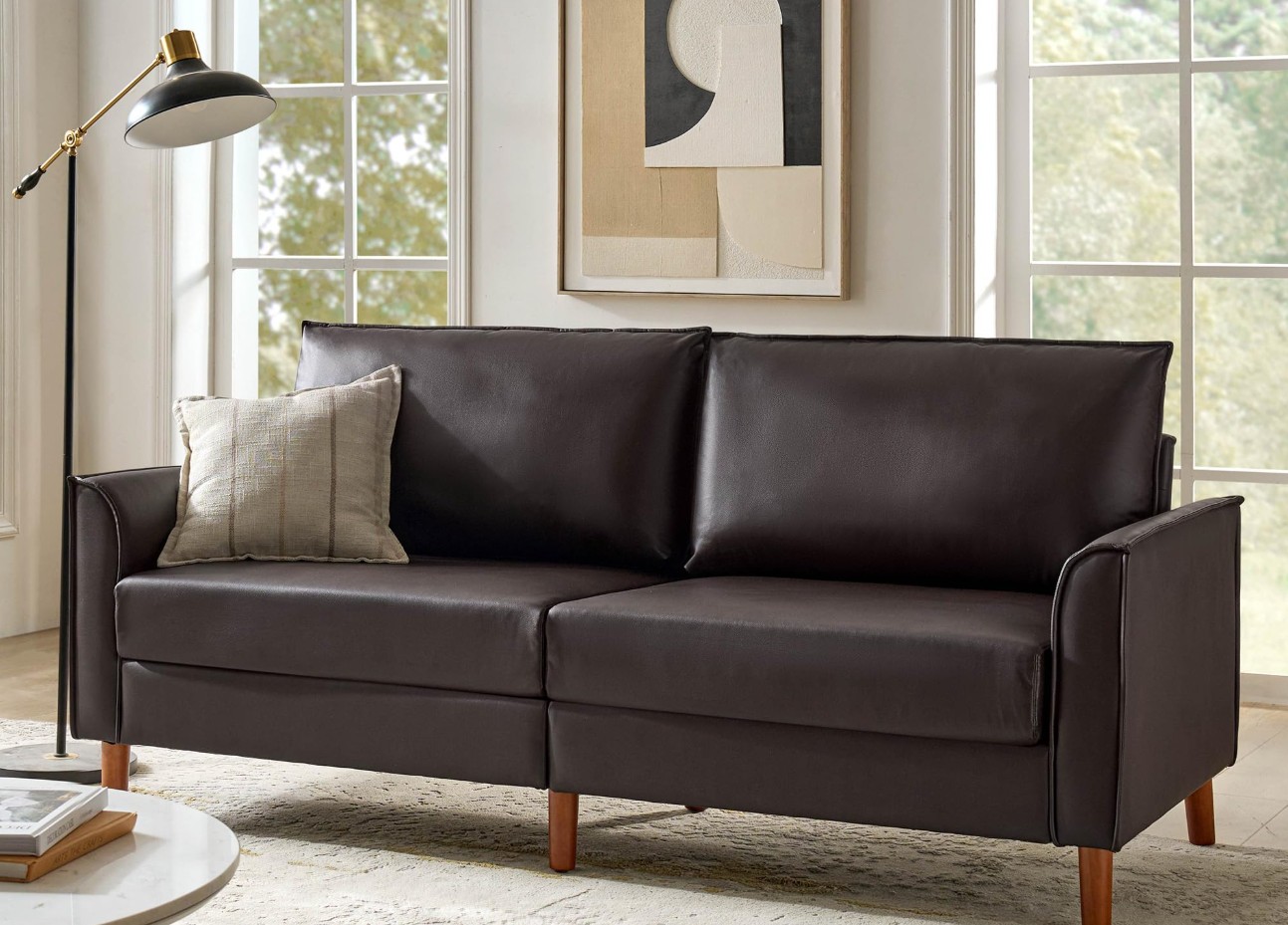
Everything You Need to Know About PU Leather
Are you exploring PU leather and wondering whether this material is the right fit for your interior projects? In this article, The Sofa Furniture walks you through everything you need to know, from its characteristics and pros & cons to how to distinguish between the most popular PU leather types on the market today. Let’s dive in and discover what makes PU leather a practical yet stylish choice for modern sofa production.
1. What Is PU Leather?
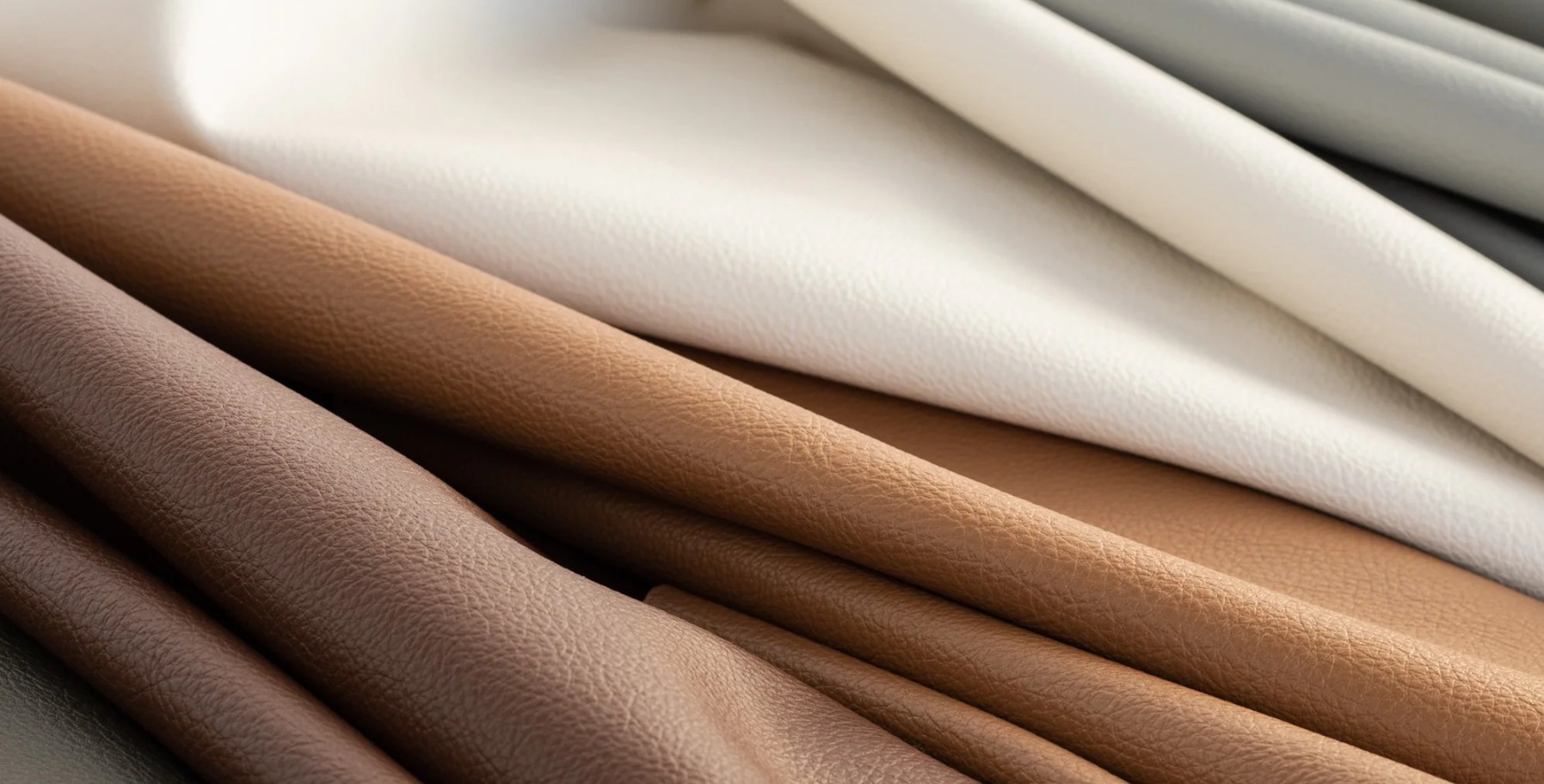
PU leather (Polyurethane leather) is a type of synthetic leather made from polyurethane (PU) – a versatile polymer known for its elasticity, flexibility, and strong resistance to wear. Unlike genuine leather, PU leather is 100% vegan, containing no animal-derived components, which makes it increasingly popular in both modern furniture and fashion industries.
Polyurethane itself is a form of plastic that can be engineered into various structures, from soft foam and rigid foam to adhesives, coatings, and elastomers. Thanks to this adaptability, it serves as an excellent foundation for creating artificial leather that’s not only durable but also visually appealing – what we know as PU leather today.
What makes PU leather particularly noteworthy is its luxurious look with a more sustainable and cost-effective nature. Its production doesn’t require animal tanning or the use of harsh chemicals commonly associated with genuine leather. By striking a perfect balance between aesthetic appeal, durability, and affordability, PU leather has become one of the most widely used materials in sofa manufacturing, automotive interiors, and high-end fashion accessories.
2. PU Leather Manufacturing Process
Below is an overview of how PU leather is typically produced inside modern factories, from the base coating to the final finishing stage:
| Step | Process Details | Purpose |
| Step 1: Base Coating | A layer of polyurethane resin (PU resin) is poured onto a silicone-coated release paper. The mixture is then passed through heated rollers to achieve a uniform thickness and smooth surface. | Forms the first coating layer that defines the leather’s surface appearance, including its gloss level, color tone, and grain texture. |
| Step 2: Foaming Layer Formation | A second PU layer is applied, this time combined with a foaming agent and emulsifier. The material is then baked in a heated oven to activate the foaming reaction. | Creates a soft, elastic inner layer that gives PU leather its flexibility, lightweight feel, and signature soft touch. |
| Step 3: Fabric Lamination | Once the PU layers are stable, a fabric base (usually cotton, polyester, or microfiber blend) is pressed tightly onto the back using a calender or hot-press machine. | Enhances tensile strength, shape stability, and resistance to tearing. The fabric layer acts as the “skeleton” that supports and reinforces the PU surface. |
| Step 4: Embossing & Surface Finishing | A thin top layer of PU is coated over the surface and then embossed using metal molds engraved with natural leather grain patterns. Some factories may also add UV-resistant or anti-scratch coatings. | Produces a realistic leather texture, increases shine, and improves resistance to water, dirt, and fading over time. |
>> Read more: Leather Factory Sofa Tips: Choosing the Right Export Upholstery
3. How Many Types of PU Leather Are There?
3.1. The Most Common Types of PU Leather Today
Standard PU Leather
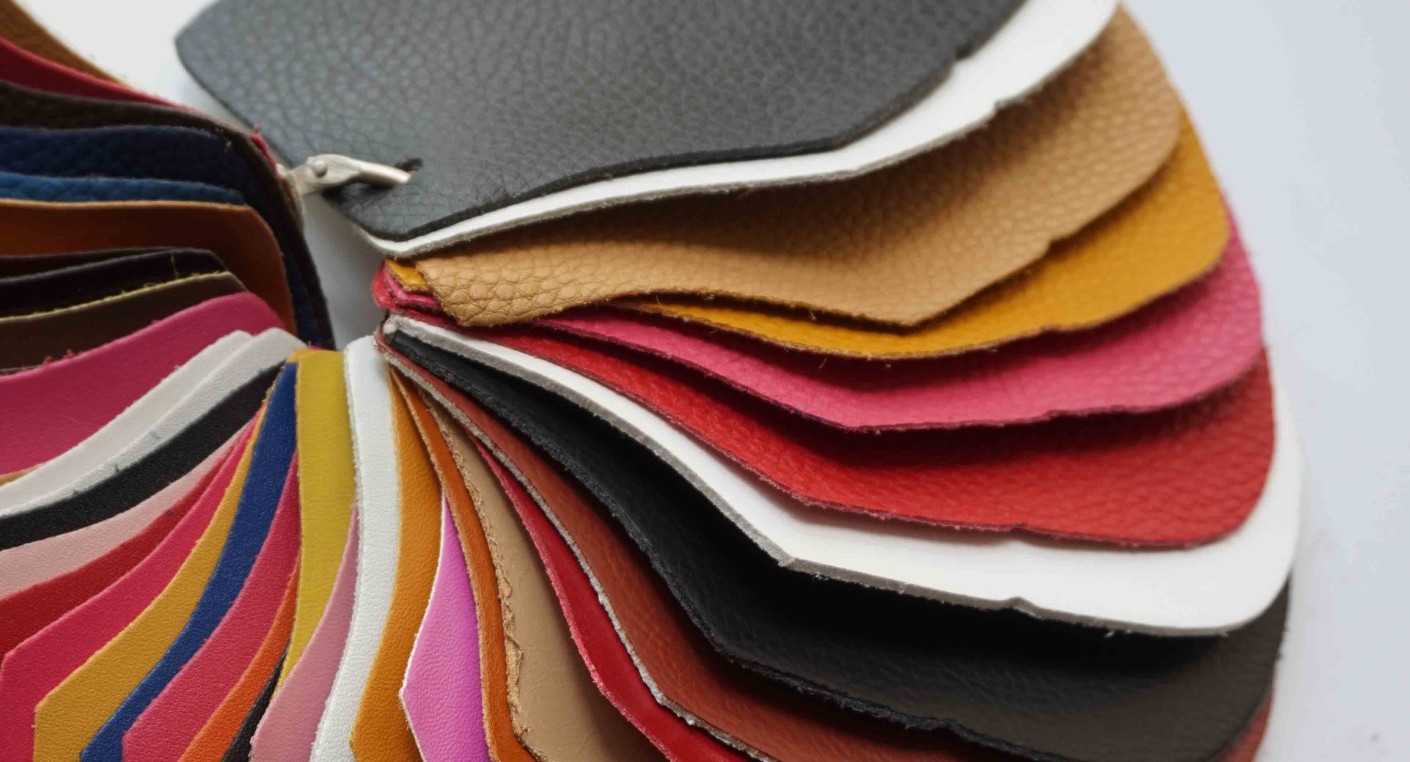
This is the most basic and widely used form of PU leather. It is soft, lightweight, easy to clean, and far more affordable than genuine leather. Because of its cost-effectiveness, standard PU leather is often used in sofa manufacturing, office chairs, jackets, and fashion handbags. However, its breathability is generally lower compared to natural leather, making it slightly warmer to the touch over long use.
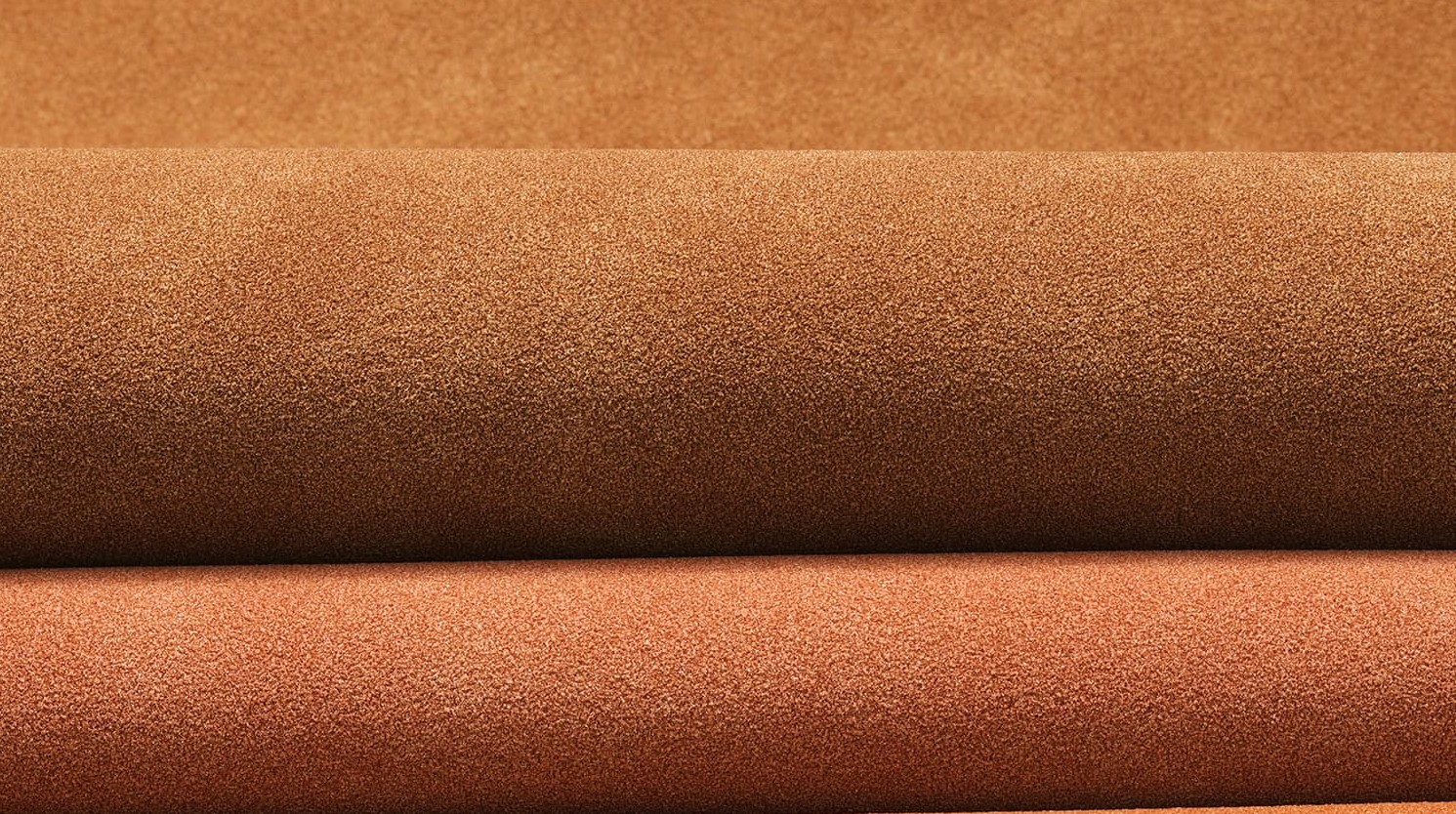
Designed to replicate the velvety texture of real suede, this type is produced by either buffing the surface or pressing soft fiber layers. The result is a warm, refined, and elegant material that pairs beautifully with fashion and interior products. While it offers a luxurious look, suede PU leather can attract dust easily, so it should be cleaned properly to maintain its soft appearance.
Nappa PU Leather
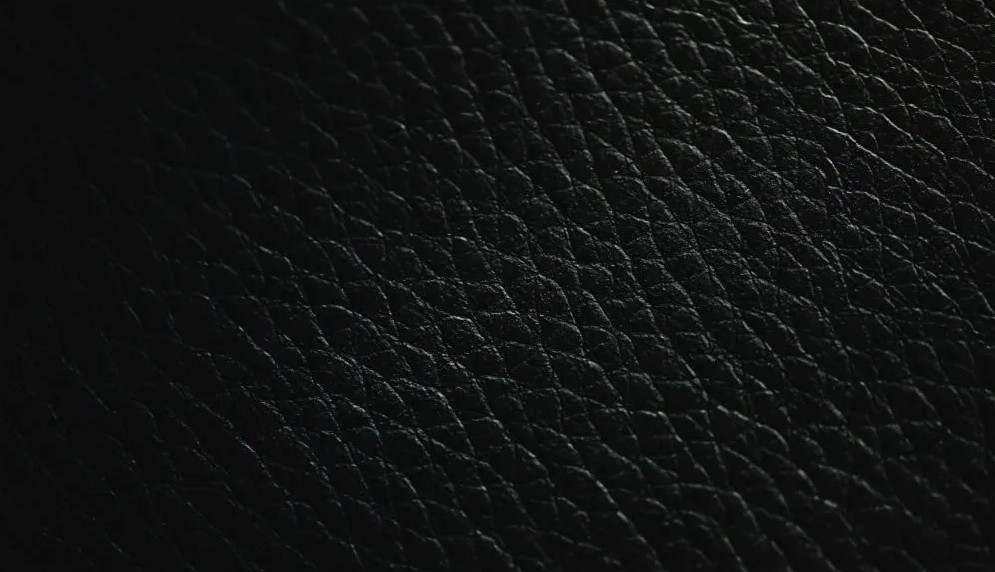
Inspired by premium Nappa leather, this variety stands out with its ultra-smooth surface, subtle sheen, and superior flexibility. It’s a popular choice among high-end sofa brands, automotive manufacturers, and luxury handbag makers, as it delivers an exceptionally refined touch and excellent durability. Nappa PU is often regarded as the “luxury” version of PU leather.
Microfiber PU Leather
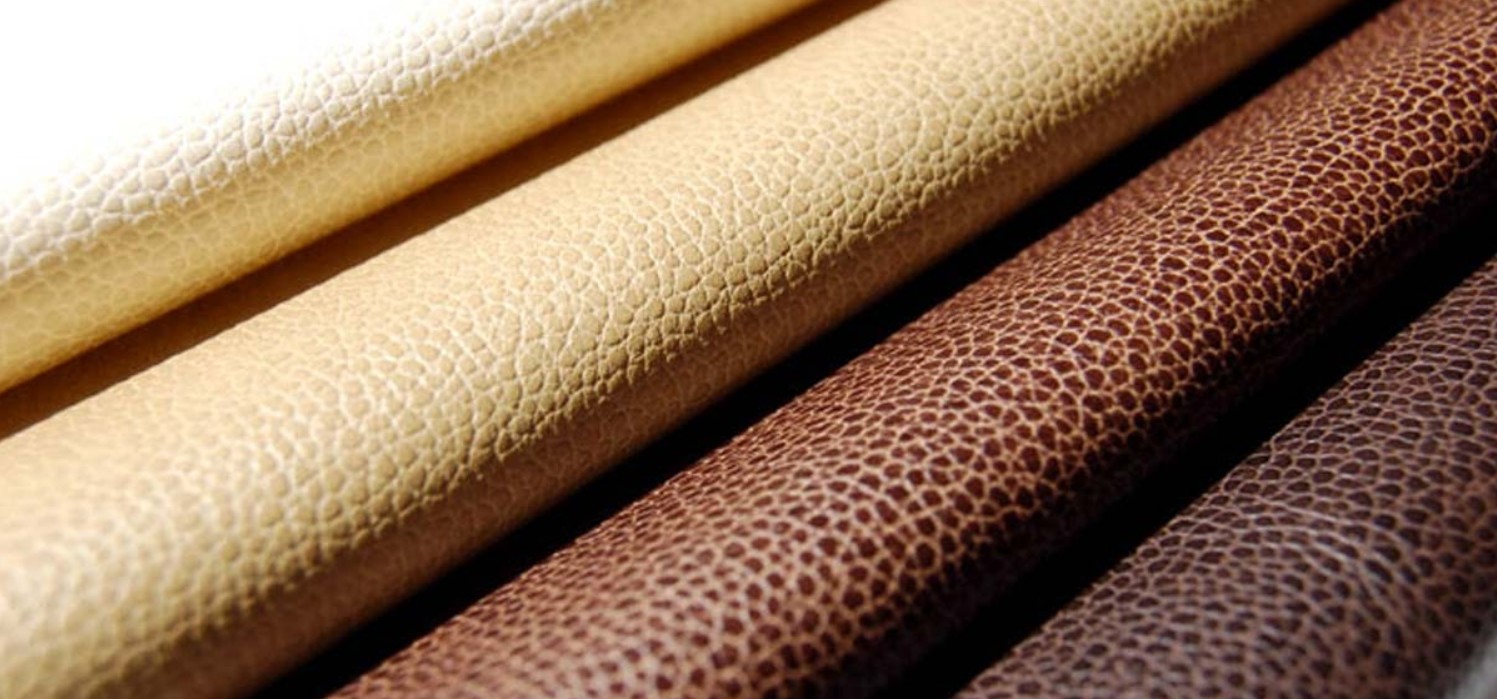
Microfiber PU represents a next-generation synthetic leather, engineered with microfibers that closely mimic the structure and feel of natural leather. It offers excellent breathability, elasticity, and long-term durability, with no cracking or peeling even after years of use. Because of these traits, it is widely used in premium furniture, automotive seating, and heavy-use applications.
Embossed PU Leather
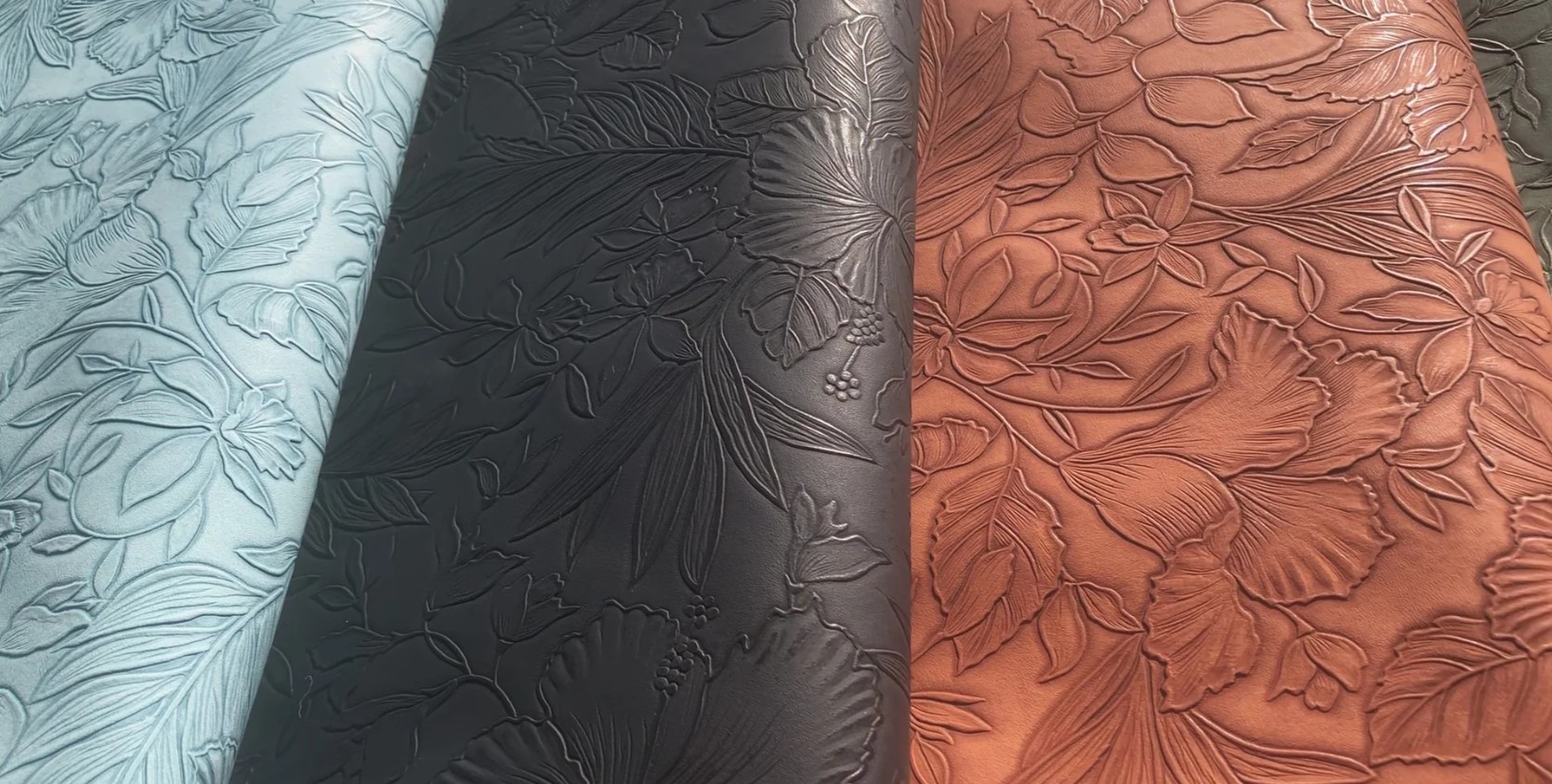
This type features engraved grain patterns that imitate exotic natural leathers such as crocodile, snake, or ostrich. With its bold and distinctive texture, embossed PU leather brings a strong visual impact, making fashion and upholstery designs look more unique and sophisticated.
Biodegradable PU Leather
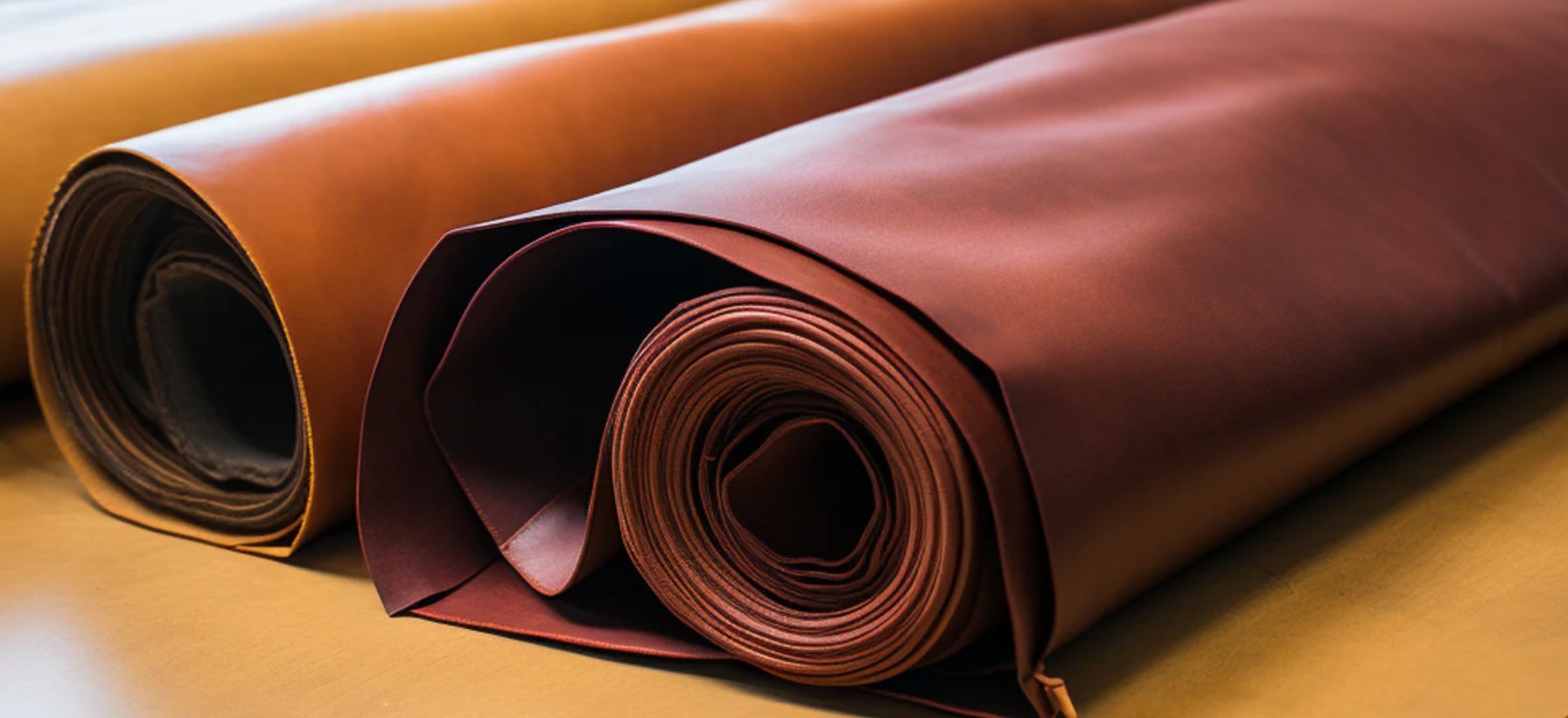
A newer and more eco-conscious innovation, biodegradable PU leather is made from eco-friendly or bio-based compounds that decompose more easily than traditional PU. This development helps reduce plastic waste and environmental impact, aligning with today’s sustainability goals. It’s not just a material, it represents the future direction of responsible design and manufacturing.
3.2. Comparison Table: Types of PU Leather
Each type of PU leather offers its own advantages: from aesthetics and durability to recyclability. Depending on your product’s purpose and market positioning, your business can select the most suitable PU type to achieve the ideal balance between visual appeal, performance, and cost efficiency.
| Type of PU Leather | Key Characteristics | Advantages | Disadvantages |
| Standard | Smooth, soft surface with a basic polyurethane coating | Affordable, easy to clean, available in many colors | Low breathability, may peel or crack if not properly maintained |
| Suede | Velvet-like surface mimicking real suede | Luxurious texture, soft touch, lightly absorbent | Attracts dust easily, requires careful cleaning |
| Nappa | Smooth surface with subtle sheen and premium touch | Highly elastic, refined look, excellent comfort | More expensive than other PU types |
| Microfiber | Ultra-fine fiber structure replicating genuine leather | Durable, breathable, eco-friendly, non-peeling | Higher production cost, complex manufacturing |
| Embossed | Textured patterns resembling crocodile, snake, or ostrich skin | Unique visual appeal, customizable designs | May scratch easily if deeply embossed |
| Biodegradable | Made with eco-friendly or bio-based materials | Reduces plastic waste, promotes sustainable production | Still limited in availability, relatively high cost |
>> Read more: Top 5 Materials for Crafting High-Quality Sofa Factory Sofa Beds
4. Advantages and Disadvantages of PU Leather
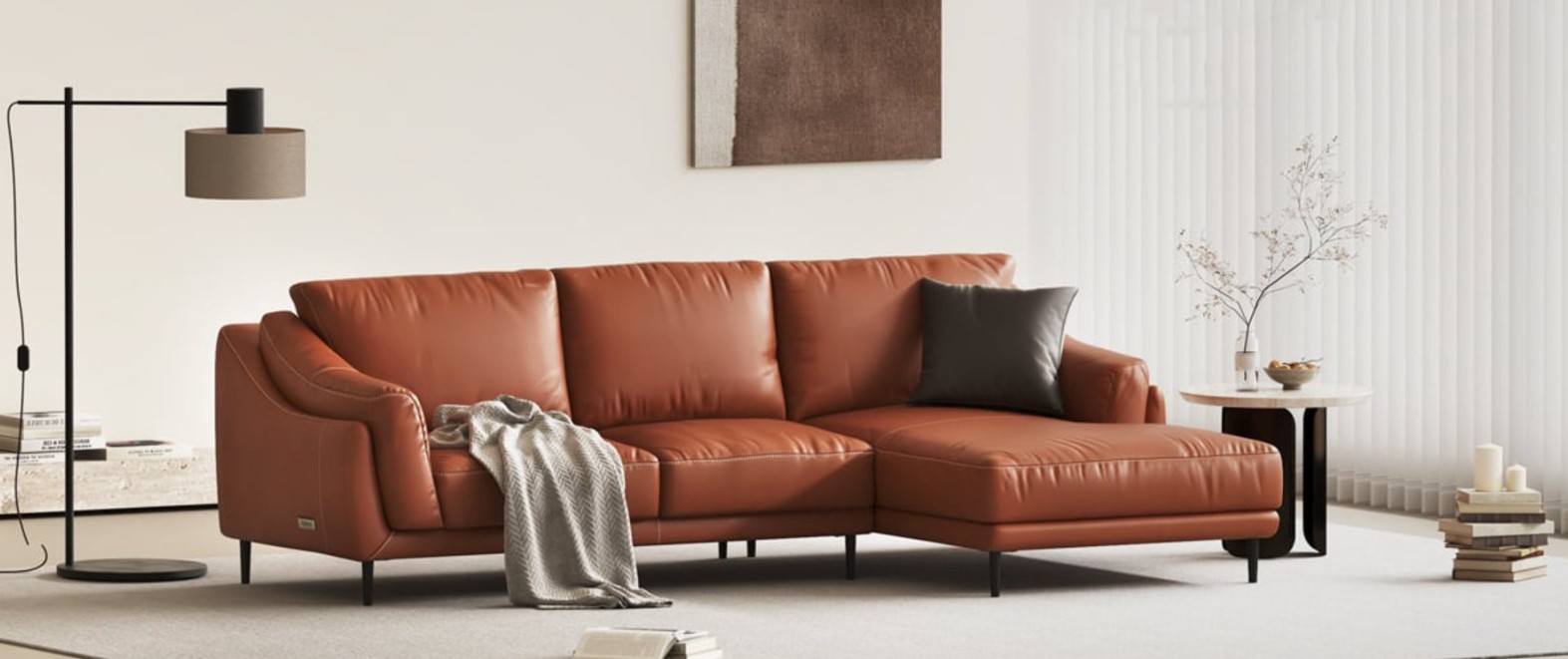
4.1. Advantages
Here are some of the most notable benefits of PU leather:
High Aesthetic Appeal
PU leather has a smooth surface, moderate gloss, and a soft, natural touch that makes it almost indistinguishable from genuine leather, especially high-grade microfiber PU.
Cost-Effective
Compared to genuine leather, PU leather is significantly more affordable to produce. This allows PU leather sofa factories in Vietnam to offer optimized solutions for businesses in hospitality, serviced apartments, or large-scale export – where cost efficiency is often a key factor.
Versatility
PU leather can be manufactured in hundreds of shades, thicknesses, and grain patterns, adapting flexibly to any design style, from luxurious and classic to modern and youthful. Unlike real leather, which naturally comes with imperfections, PU leather offers a consistent, uniform surface with stable color control.
Easy Maintenance
Another key advantage of PU leather is its resistance to water and dust. It doesn’t absorb oil and can be cleaned easily with a damp cloth, helping sofas maintain their sleek, new look for years, Ideal for families with children or public spaces.
Vegan-Friendly
As a 100% synthetic material, PU leather contains no animal-derived components. It’s the perfect choice for the growing “vegan leather” movement: embracing ethical, sustainable, and cruelty-free fashion and furniture.
4.2. Disadvantages
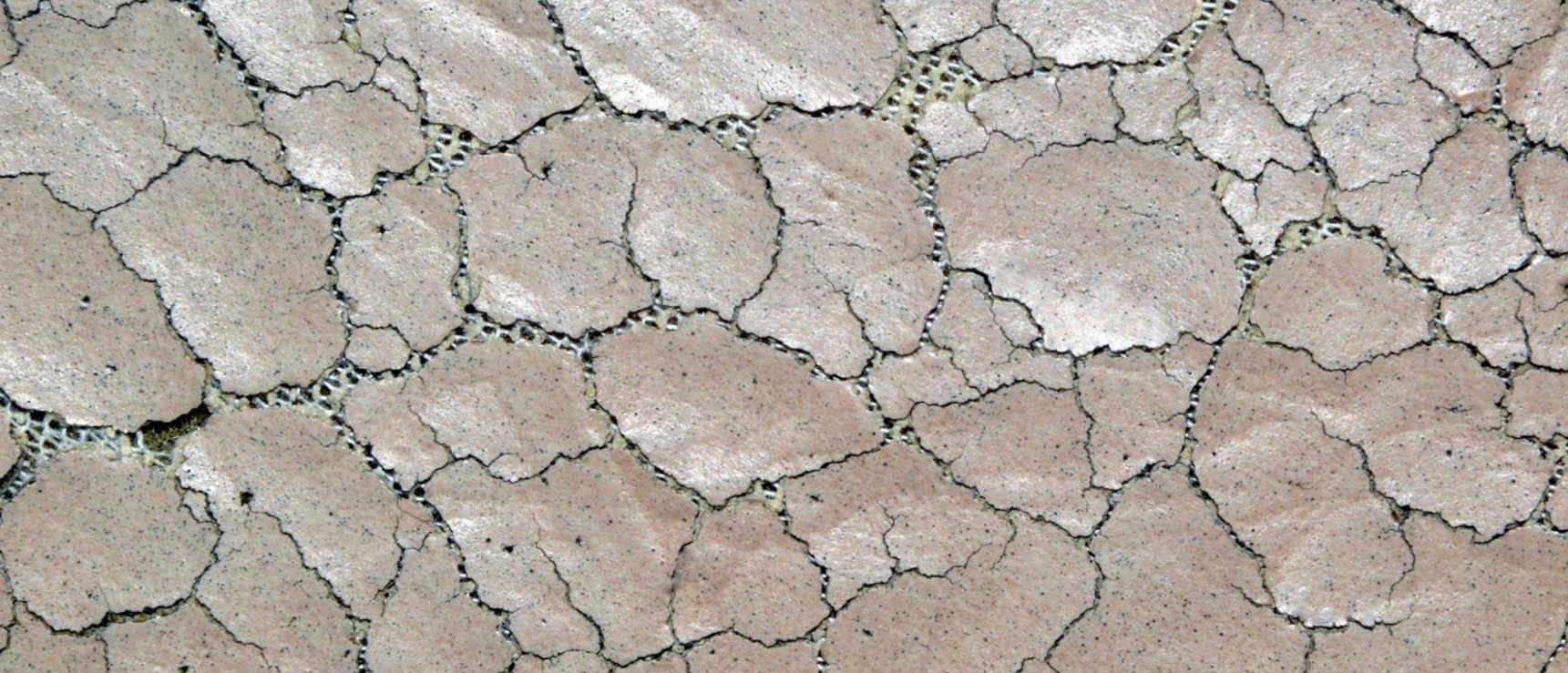
Despite its appealing look and affordability, PU leather still comes with several limitations:
Limited Durability
Compared to genuine leather, PU leather is less durable and less elastic. Over time, the polyurethane coating may start to peel, crack, or show small wrinkles, especially when exposed to frequent friction, high temperatures, or fluctuating humidity. This makes PU leather less long-lasting than natural leather.
Poor Breathability
Because of its sealed polyurethane surface, PU leather cannot “breathe” like real leather. When sitting for long periods, particularly in warm or humid environments – users may feel slightly hot and uncomfortable. This makes it less ideal for outdoor sofas, car seats, or non-air-conditioned spaces.
Shorter Lifespan
The average lifespan of standard PU leather ranges from 3 to 5 years, depending on maintenance conditions. However, microfiber PU – a higher-grade version made from ultra-fine fibers, can last 7 to 10 years, approaching the longevity of genuine leather when properly cared for.
Lack of Natural Aging
Unlike real leather, PU leather does not develop a natural patina over time. Genuine leather becomes softer and glossier with use, gaining a beautiful “vintage” charm, whereas PU maintains its original appearance. This can make PU products feel somewhat “flat” and lacking in depth as the years go by.
Environmental Concerns
Although PU leather is considered cruelty-free, its production still consumes considerable energy and involves chemicals such as VOCs (volatile organic compounds), which may pose risks to health and the environment if not properly treated. Moreover, most conventional PU materials are non-biodegradable, except for some newly developed biodegradable PU types currently under research and testing.
> Read more: Behind the Scenes at a Professional Sofa Bed Factory
5. How to Differentiate PU Leather from Genuine Leather
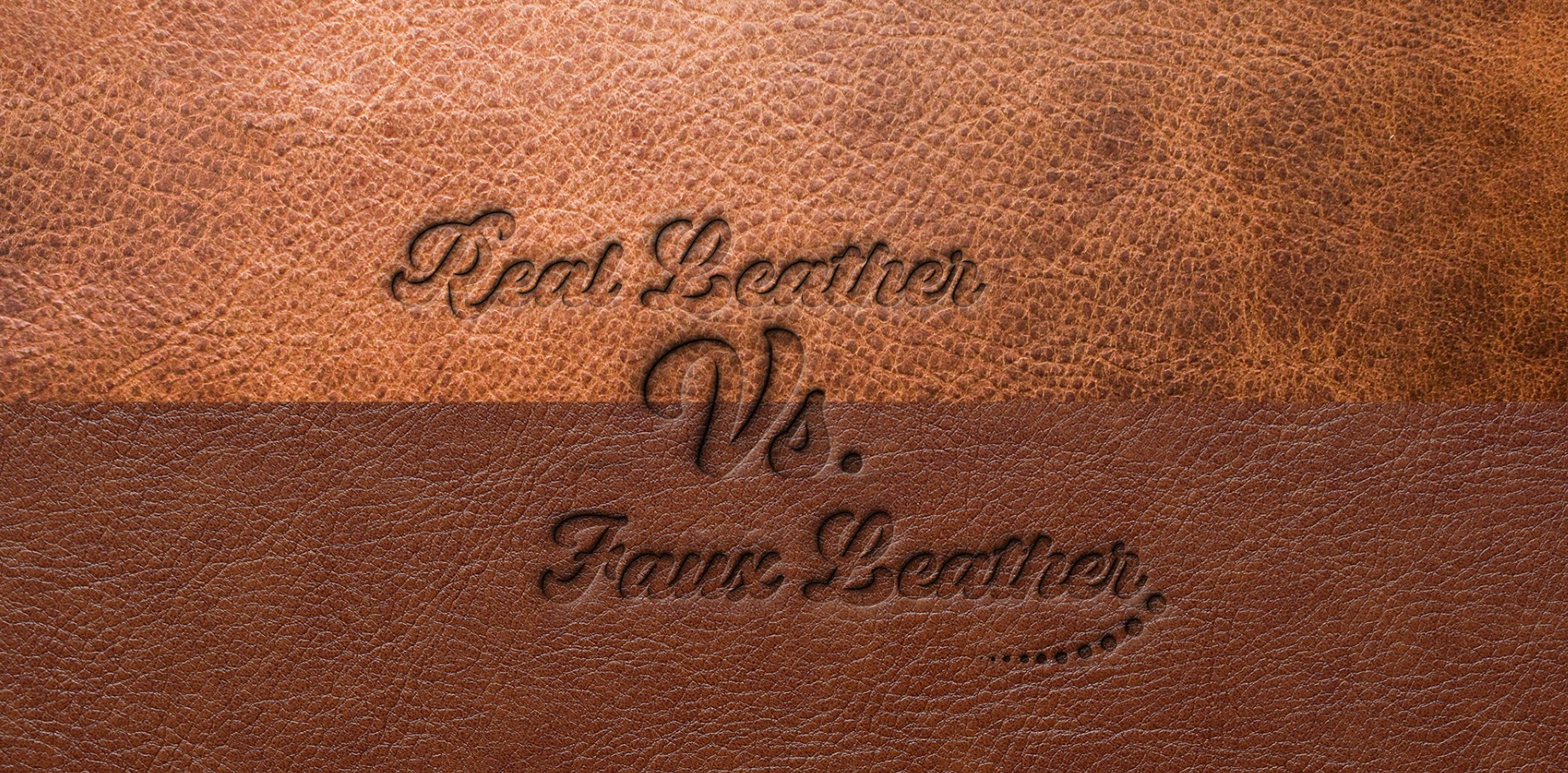
Here are some of the most practical and easy-to-apply methods:
- Smell: Genuine leather has a distinct natural scent, slightly musky or fatty – similar to animal hide. In contrast, PU leather often carries a mild plastic or synthetic chemical odor, especially noticeable when the product is new. Although this smell fades over time, it remains a reliable indicator for identification.
- Texture & Elasticity: When touched, genuine leather feels soft, supple, and naturally elastic, its surface becomes glossier and smoother the more it’s used. PU leather, on the other hand, maintains a consistent smoothness and shape throughout its lifespan. When bent or squeezed, PU tends to show sharper fold lines that quickly bounce back due to its polymer coating.
- Pore Pattern: Under close inspection, genuine leather shows uneven, naturally deep pores, while PU leather features artificial, evenly distributed pores that look flatter and more uniform.
- Water Test: Drop a small amount of water onto the surface. Genuine leather will slowly absorb it due to its natural fiber structure, whereas PU leather is completely waterproof, the water stays on top and can be easily wiped away. This simple test works well for sofas, handbags, and even leather jackets.
6. Is PU Leather Good for Upholstering Sofas?
The answer is yes – as long as you choose the right type of PU leather for the right purpose. Compared to fabric or genuine leather, PU stands out for its stain resistance, easy cleaning, and long-lasting color stability. That’s why many furniture manufacturers prefer PU leather for export collections, hotels, apartments, and cafés.
However, each market segment requires a different type of PU leather to balance durability, cost-efficiency, and user experience. Below are some recommendations from The Sofa Furniture for businesses looking to invest in PU leather sofas:
- For commercial sofas, hotels, or rental apartments: Standard PU leather is the most practical choice. It’s attractive, cost-effective, and easy to maintain. When damaged, it’s also quicker and cheaper to reupholster compared to genuine leather.
- For premium or luxury collections: Opt for microfiber PU or Nappa PU. These high-grade variants feature ultra-fine fiber structures that are soft, elastic, and deliver a touch and feel very close to real leather.
- For unique or fashion-forward designs: Embossed PU offers distinctive textures—such as crocodile or ostrich patterns, that add strong visual appeal and character to each collection.
- For sustainable, eco-conscious brands: Biodegradable PU is a promising new direction. It’s more environmentally friendly and increasingly favored in the global market.
Below is a comparison table of the three most common materials used for sofa production:
| Criteria | Standard PU Leather | Microfiber PU | Genuine Leather |
| Aesthetic Appeal | ⭐⭐⭐⭐ | ⭐⭐⭐⭐ | ⭐⭐⭐⭐⭐ |
| Durability | ⭐⭐⭐ | ⭐⭐⭐⭐ | ⭐⭐⭐⭐⭐ |
| Cost | 💰 Low | 💰💰 Medium | 💰💰💰 High |
| Ease of Cleaning | ✅✅ Easy to wipe, stain-resistant | ✅✅ Easy to maintain, moisture-resistant | ✅ Requires regular conditioning |
| Breathability | ❌ Poor | ⚪ Moderate | ✅ Excellent, naturally breathable |
| Best Applications | Commercial sofas, apartments, cafés | High-end or export sofas | Luxury sofas, long-term use |
> Read more: Outdoor Sofa Factory Vietnam: Top 10 Trusted Partners for Export
7. Where to Source High-Quality PU Leather Sofas at Factory Prices
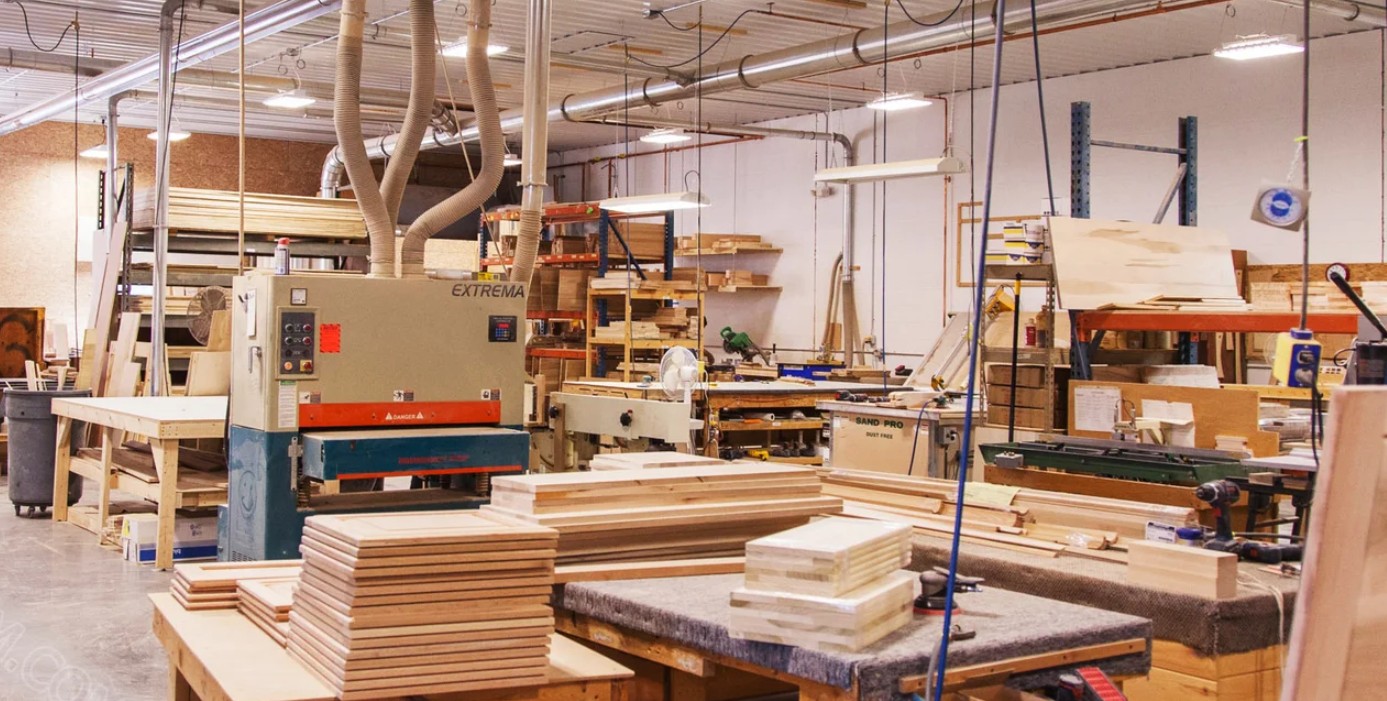
If your business is looking for a reliable PU sofa factory that offers high-quality products at direct factory prices, The Sofa Furniture is the trusted partner you’ve been searching for.
With over 15 years of experience in manufacturing and exporting sofas to global markets, including the U.S., Australia, Japan, South Korea, and Europe – The Sofa Furniture has built a reputation for professional craftsmanship and consistent quality. Every piece of PU leather we use is carefully selected from internationally certified suppliers and undergoes strict quality checks before entering production.
At our factory, a team of skilled artisans and advanced machinery systems ensure every stitch, fold, and frame meets the highest precision standards. The result is a product that not only looks stunning but also maintains long-lasting durability over time.
In addition to PU leather sofas, The Sofa Furniture also produces genuine leather sofas, linen, velvet, and premium polyester sofas, catering to a wide range of commercial and residential projects, from hotels and resorts to serviced apartments and luxury furniture brands.
📞 Hotline / WhatsApp: +84-975-947-573
📧 Email: [email protected]
📍 U.S. Office: 2465 Pine Lake Rd, Tucker, GA 30084, USA
🏭 Factory: Phu Thu Hamlet, Phu An Ward, Ben Cat Town, Binh Duong, Vietnam
⏰ Working Hours: 8:00 AM – 5:00 PM
The Sofa Furniture – Vietnam’s leading PU sofa manufacturer, your trusted partner in building globally recognized furniture brands.
-

-
 03/11/2025