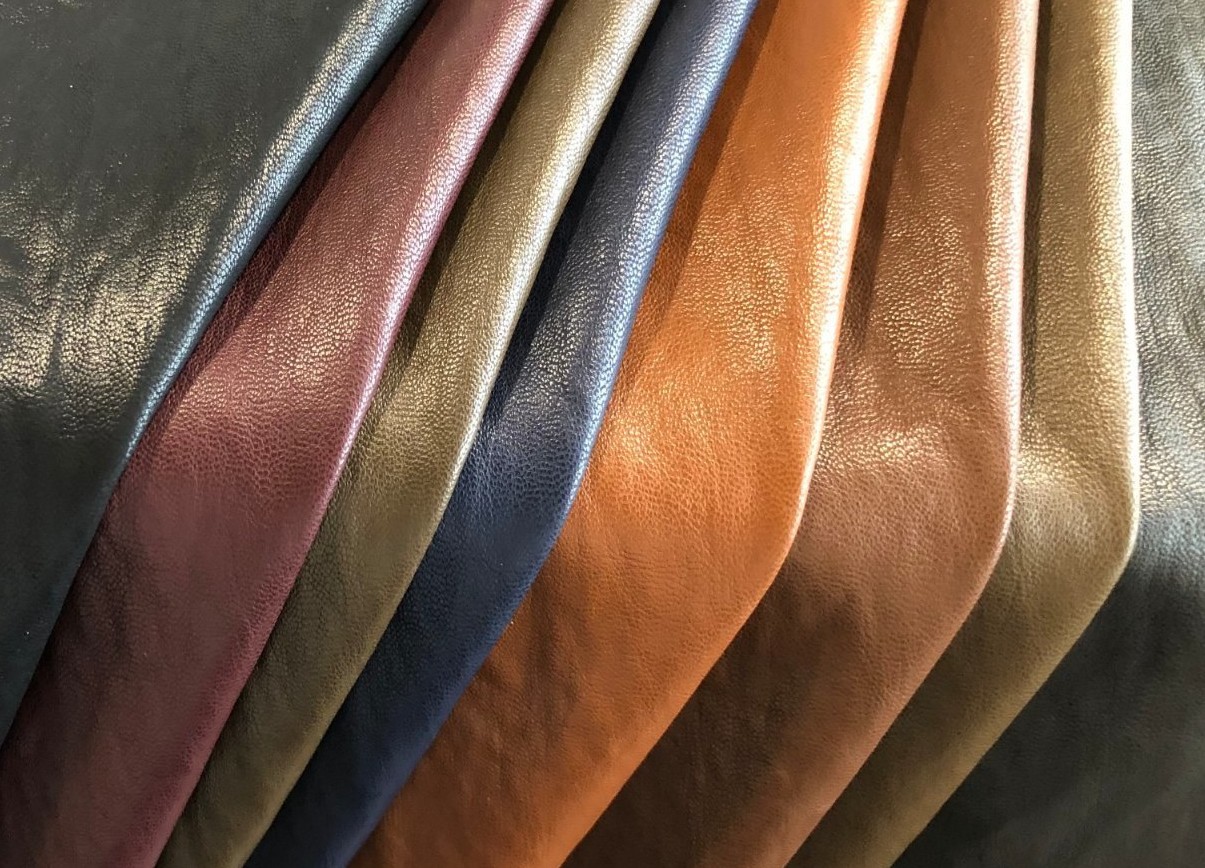
Full Grain Leather – The Symbol of Luxury and Sophistication
Full grain leather has long been regarded as the ultimate symbol of luxury and sophistication. Beyond its refined appearance, each piece of full grain leather tells its own unique story, offering an unparalleled premium experience. In this article, The Sofa Furniture invites you to explore the world of full grain leather in detail, from the tanning process to insightful answers about this high-end material.
1. What Is Full Grain Leather?
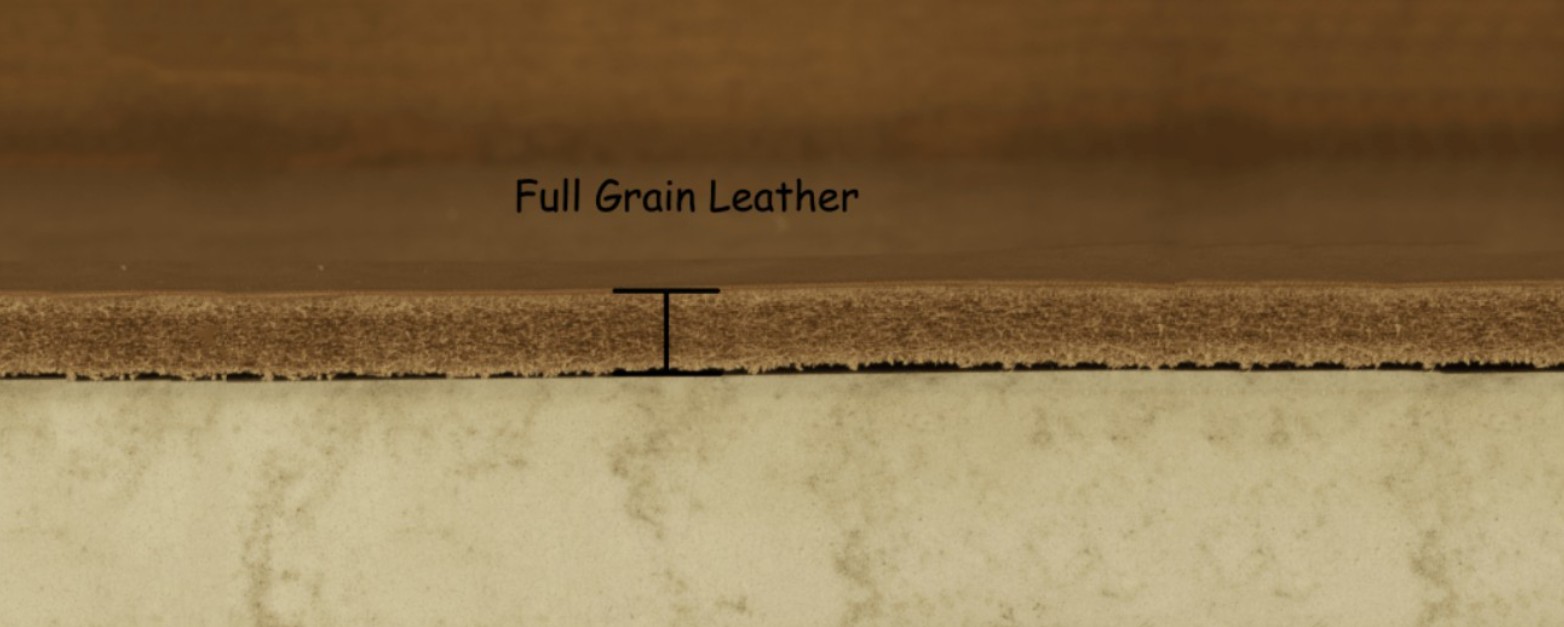
Full grain leather is considered the pinnacle of genuine leather – the most prized portion, taken from the top layer of the animal hide. This layer houses the densest, strongest fibers and preserves the most natural texture.
Unlike leathers that have been sanded or surface-treated, such as top grain or corrected grain, full grain leather retains its original, natural state. This includes the grain patterns, pores, and sometimes small imperfections like scars or folds formed during the animal’s growth. These unique details become distinctive “character marks,” giving each hide a one-of-a-kind appearance.
Thanks to its dense fiber structure, full grain leather boasts exceptional durability and excellent breathability. Moreover, the longer it is used, the more its surface develops a soft, glossy, and vintage patina. This is precisely why full grain leather is highly favored in premium products such as luxury leather sofas, handbags, footwear, and upscale furniture.
2. The Full Grain Leather Tanning Process
2.1. Understanding the Structure of Animal Hide
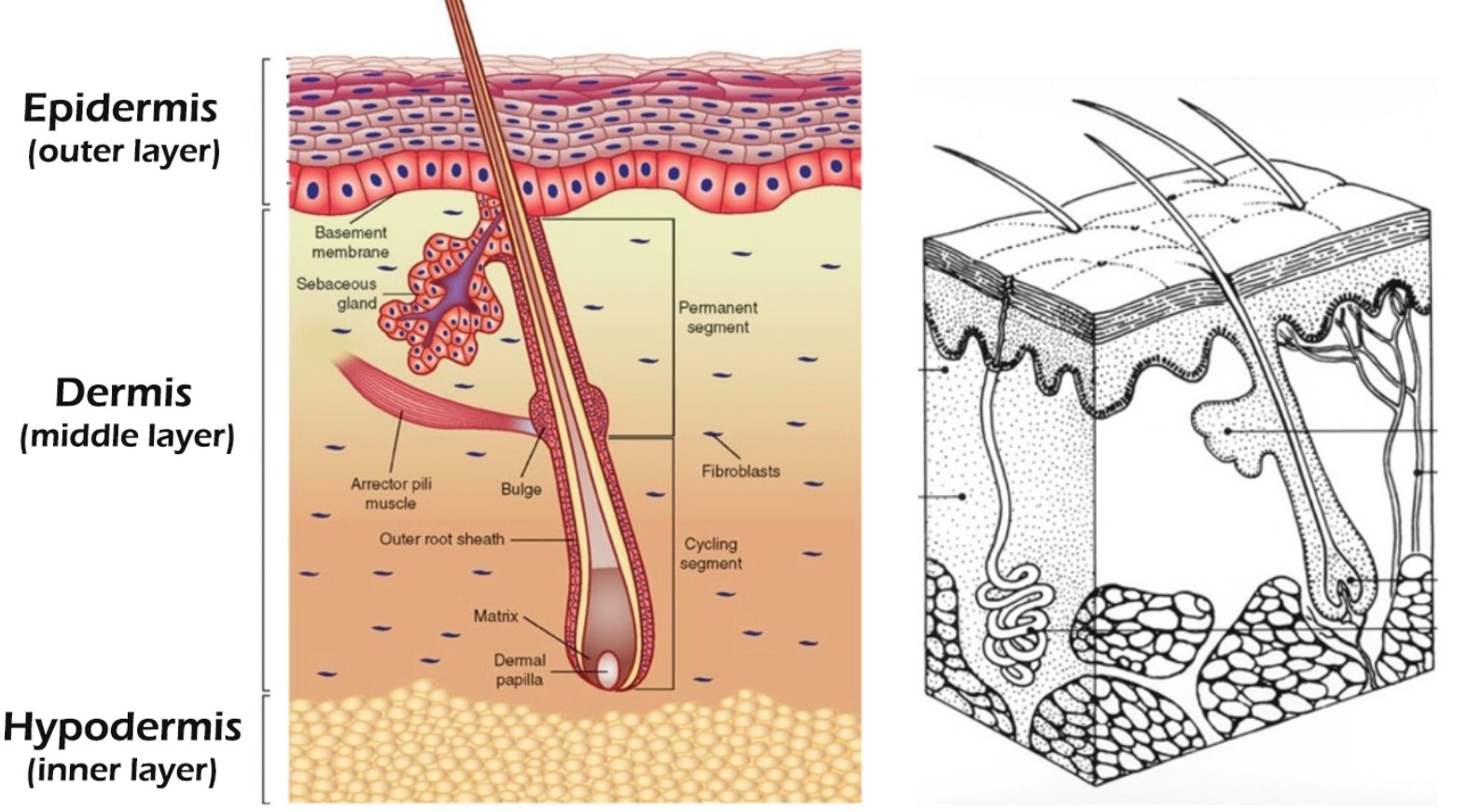
Before diving into the tanning process, it’s important to understand the natural structure of animal hide. Biologically, natural animal hide consists of three main layers:
- (1) Epidermis (outer layer)
- (2) Dermis (middle layer)
- (3) Hypodermis (inner layer)
During tanning, the epidermis is usually completely removed as it contains dead cells, hair, and sebaceous glands. The hypodermis – mainly composed of fat and connective tissue – is also discarded. The layer that is preserved for leather production is the dermis, where dense, strong collagen fibers are concentrated.
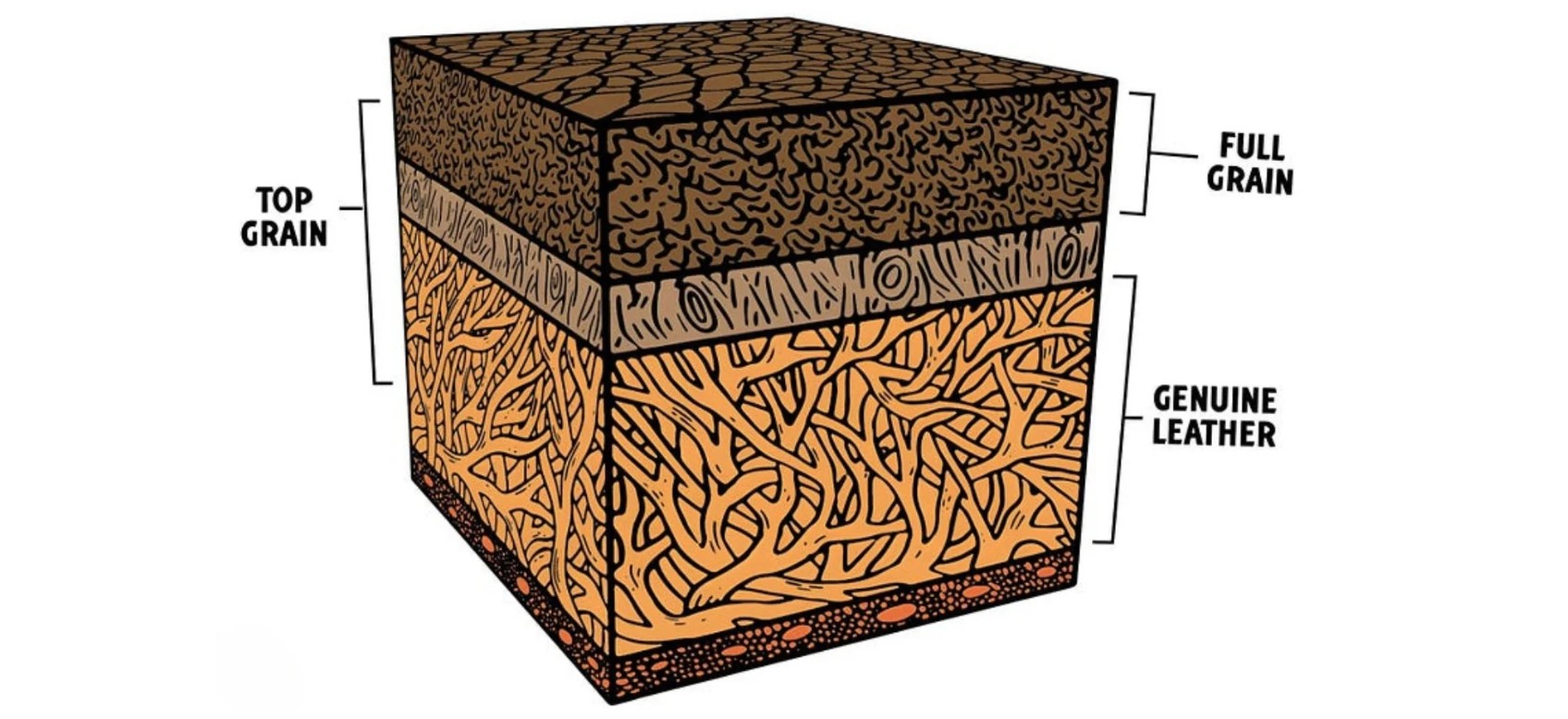
This means that the grain layer in full grain leather actually sits at the top of the dermis, not the epidermis, as often misunderstood. Within the tanning industry, the dermis is further divided into 3 key regions:
| Leather Layer |
Structure & Function |
| Grain Layer
(Top layer of tanned leather) |
This is the uppermost surface of the hide, where hair follicles once existed. It has the densest fiber network, tightly interwoven like a “natural protective mesh.” Thanks to this structure, the grain layer offers exceptional mechanical strength and abrasion resistance.
Its most notable feature is the natural leather texture, including pores, small bumps, and unique scars – giving each piece of full grain leather its one-of-a-kind character. |
| Junction Layer
(Intermediate layer) |
Situated between the Grain layer and the Corium, the Junction layer acts as a connective and transitional layer. Biologically, it contains a network of collagen fibers along with compounds such as proteoglycans, glycoproteins, and elastin – supporting elasticity, moisture retention, and structural cohesion.
During tanning, the Junction layer is retained along with the Grain layer to create durable full grain leather. When the leather is stretched, folded, or rubbed, this layer acts as a “shock-absorbing cushion,” distributing force and preventing cracks. Preserving the Junction layer also ensures even chemical penetration, enhancing flexibility and strength. |
| Corium
(Base layer) |
This is the bottom part of the hide, formed after the Grain layer is separated from the surface. Its fibers are looser, providing lower durability and abrasion resistance. This part of the hide is usually used to produce suede or corrected grain leather and is not retained in full grain leather. |
>> Read more: All You Need to Know About Genuine Leather
2.2. Pre-Treatment Stage
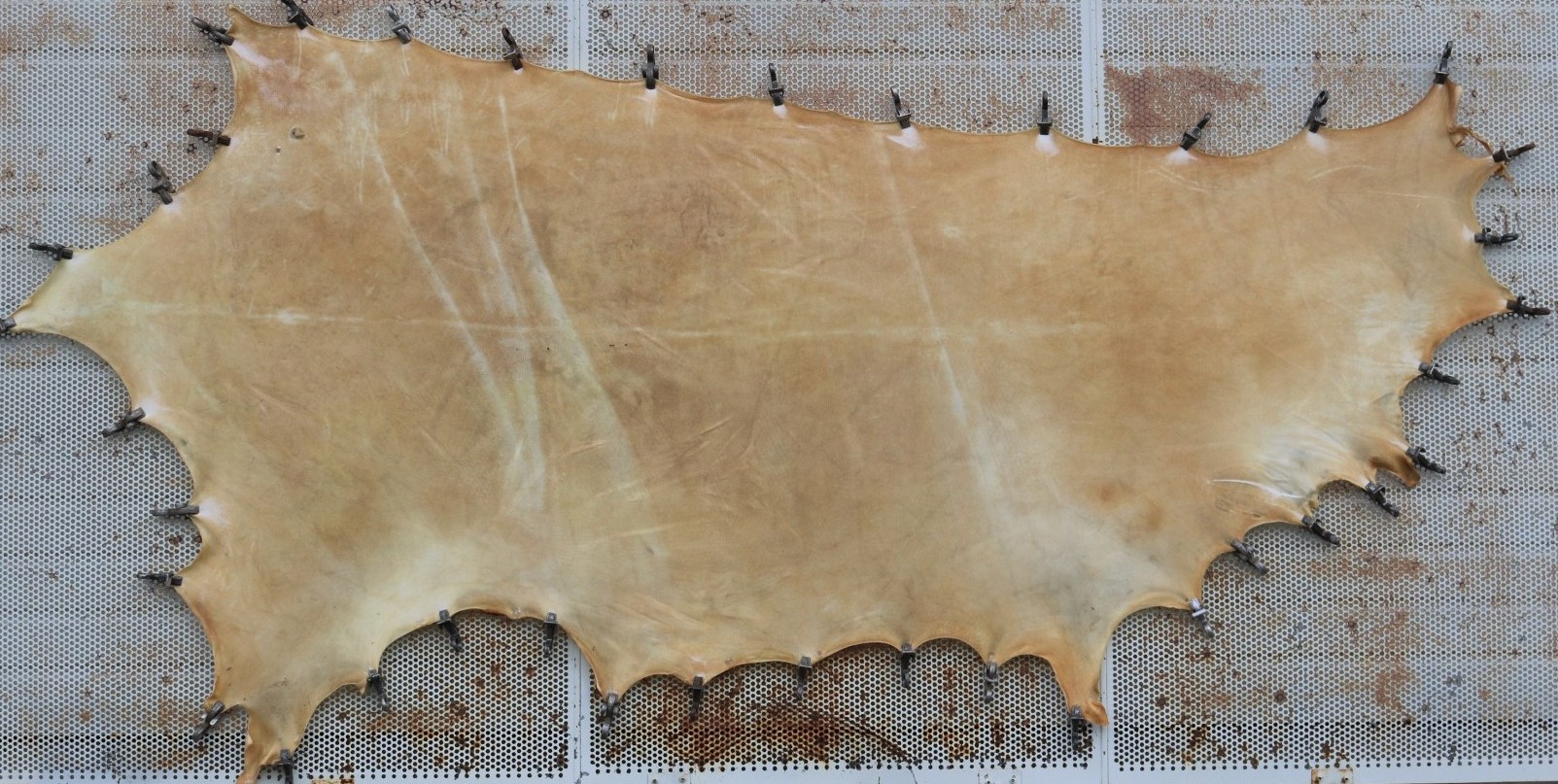
Once removed from the animal, the hide is called rawhide – a crude layer of skin still covered with hair and untouched by any processing. In this state, the hide is highly vulnerable to bacteria and natural enzymes, which can quickly cause decomposition. Therefore, the first step in the tanning process is to preserve the material, typically through salting or cold drying, to prevent spoilage and maintain the collagen fiber structure.
Next, the hide undergoes soaking, restoring its natural moisture while washing away salt, dirt, and surface impurities. This is followed by the liming stage – a critical step that removes hair, epidermal tissue, and dead cells, while also expanding the collagen fiber structure. This makes the hide softer and better able to absorb tanning chemicals in the subsequent stages.
By the end of this stage, the epidermis is almost completely removed, revealing the dermis – the most crucial part of the hide, which includes the Grain, Junction, and Corium layers. This forms the high-value full grain leather used in premium leather production.
2.3. Splitting Process
Next, the hide goes through the splitting stage using specialized cutting machines. At this step, craftsmen adjust the thickness according to the intended use and remove any low-quality sections. For full grain leather, the entire Grain and Junction layers are preserved intact: no sanding, coating, or surface correction – ensuring the natural structure remains completely intact.
2.4. Tanning Process
After splitting, the hide enters the tanning stage. There are two main methods:
| Chrome Tanning | Vegetable Tanning |
| This is the most modern and widely used method today. The hide is soaked in a solution of chromium sulfate (Cr₂(SO₄)₃).
Chromium ions gradually penetrate the collagen fibers, displacing water and transforming the hide from a raw state to tanned leather. Once the process is complete, the leather takes on a characteristic bluish hue. |
This traditional method has been practiced for hundreds of years. The hide is stretched on frames and soaked in vats containing natural tannins extracted from plants such as: oak bark, mimosa, chestnut, acacia…
Tannins penetrate deep into the collagen fibers, creating strong bonds between the leather structure and natural compounds. This “stabilizes” the full grain leather without the need for industrial chemicals. |
Advantages:
Disadvantages:
|
Advantages:
Disadvantages:
|
2.5. Dyeing and Post-Tanning Treatments
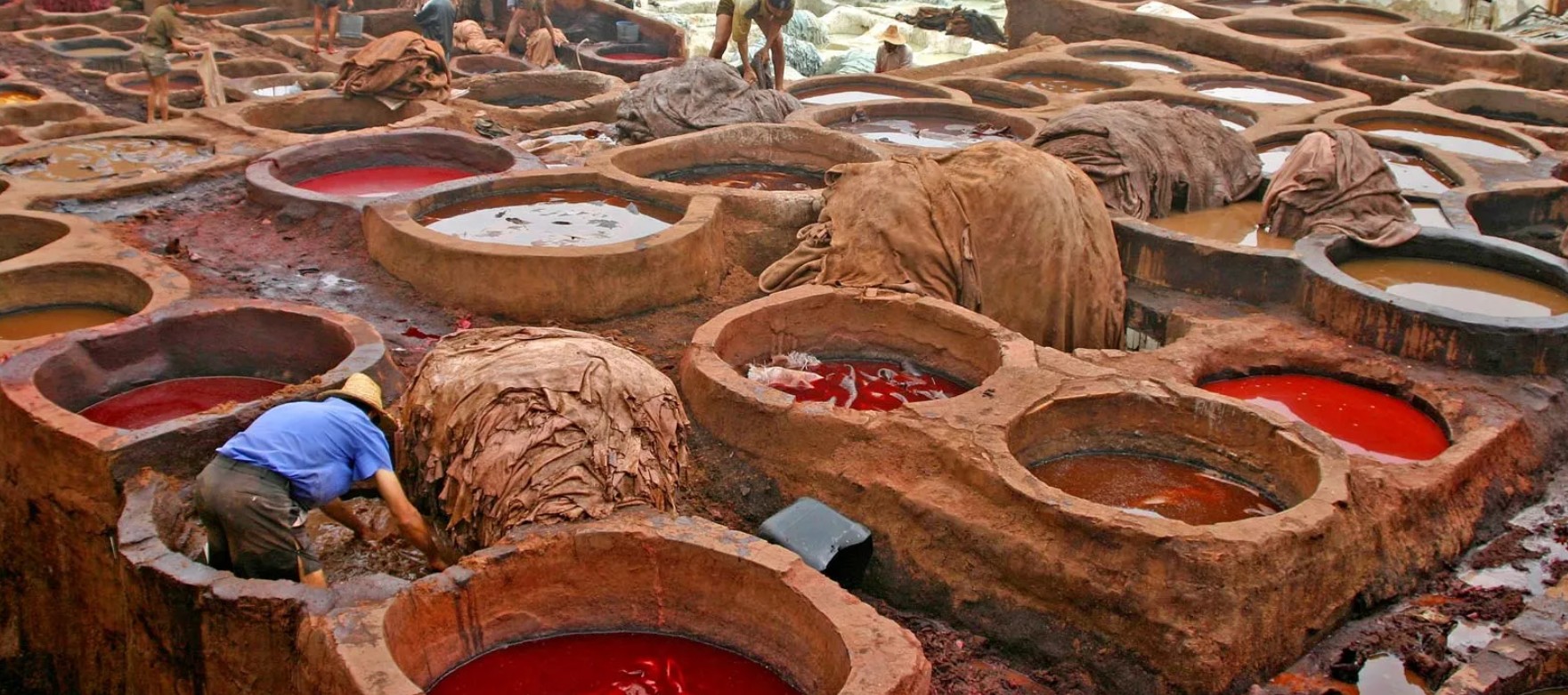
Once the tanning process is complete, full grain leather enters the dyeing and finishing stage. First, the leather undergoes aniline dyeing, where the dye penetrates deeply into the collagen fibers rather than just sitting on the surface. This technique produces natural, uniform colors that are more resistant to fading. Even if minor scratches occur, the surface maintains a harmonious tone, unlike coated or painted leathers where imperfections are more visible.
Next, the leather is treated with oils through fatliquoring to enhance softness and flexibility, followed by controlled drying in temperature-regulated chambers. Finally, the leather is polished, treated with oil, or lightly waxed. This step provides a gentle sheen, improves water resistance, and preserves the natural grain and pores of the hide.
2.6. Quality Inspection and Preservation
Before entering production, each piece of full grain leather undergoes rigorous quality control to ensure the highest technical and aesthetic standards. Evaluation criteria include:
- Tensile strength and elasticity
- Abrasion resistance
- Moisture absorption and breathability
- Color uniformity and suppleness
Only hides that meet the strictest standards for durability, softness, and natural color are selected for premium products such as sofas, leather wallets, handbags, or handcrafted saddles – where every detail showcases the elegance and refinement of genuine leather.
>> Read more: All You Need to Know About Vegan Leather
4. Upholstering Sofas with Full Grain Leather – Crafting the Ultimate Luxury
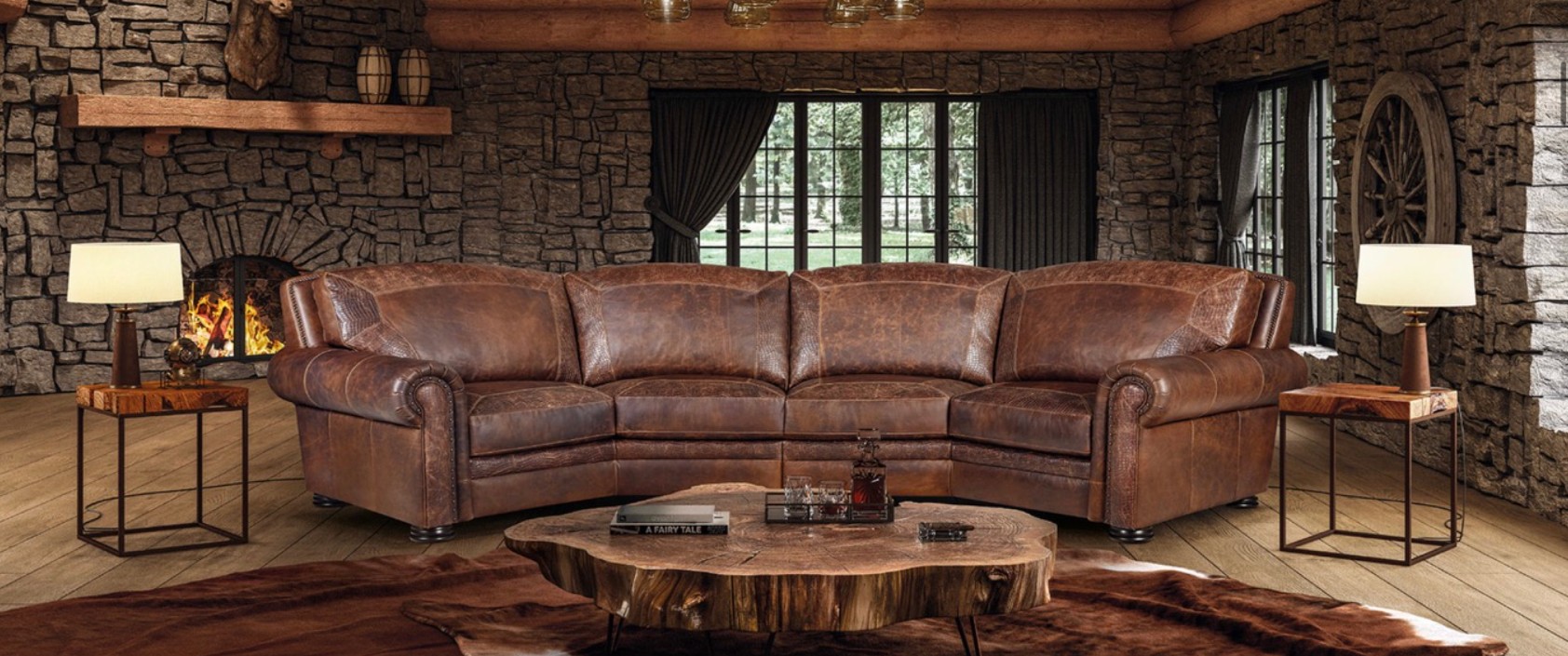
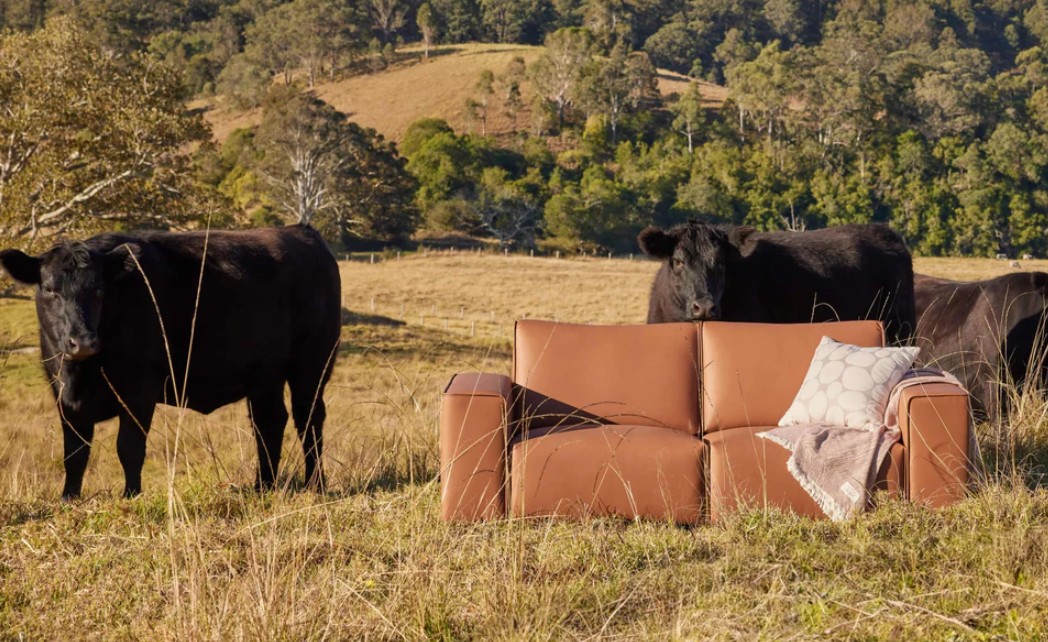
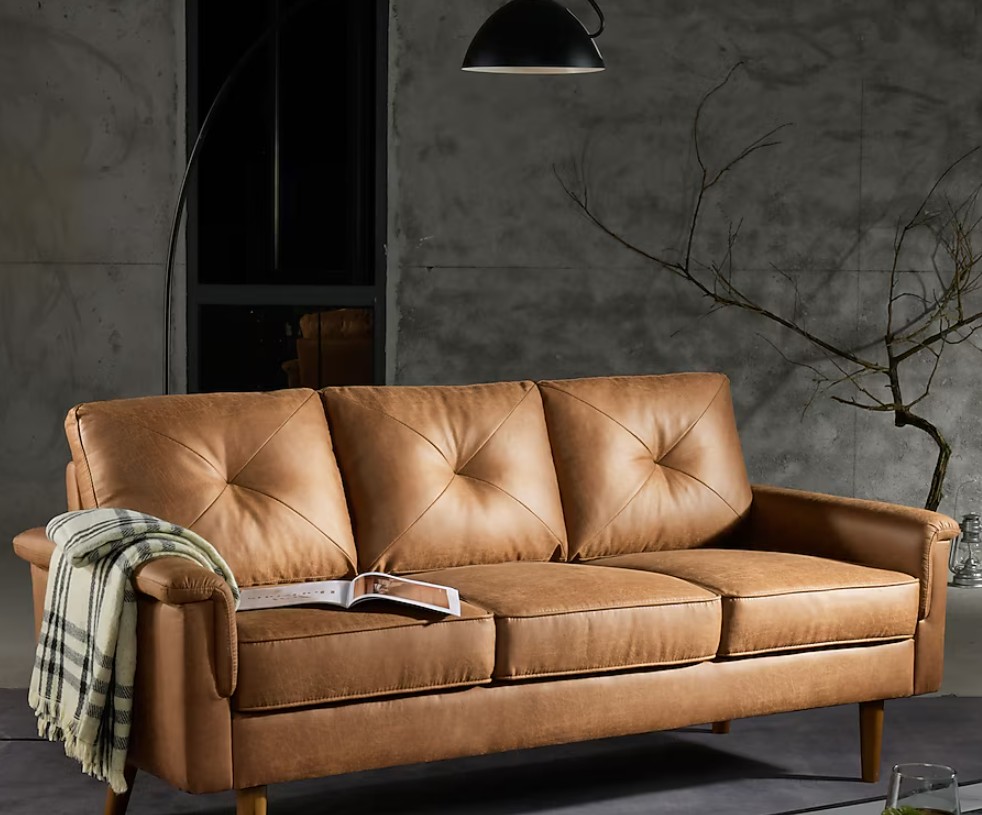
Full grain leather is the most premium choice among sofa collections on the market today. When used to upholster a sofa, it delivers a sense of luxury and authenticity that no synthetic material can replicate.
However, crafting a complete sofa from full grain leather is no simple task. Every seam and joint must be carefully calculated to maintain the natural tension and form of the leather. This meticulous attention to detail makes full grain leather sofas more expensive, but in return, they can last for decades while retaining timeless beauty.
At The Sofa Furniture, we take pride in being a high-end leather sofa manufacturer with over 15 years of experience in the export furniture industry. Our sofas are currently present in major markets such as the US, Australia, Canada, Japan, South Korea, and Qatar. Over more than a decade of collaboration with global brands, The Sofa Furniture has crafted hundreds of full grain leather sofas for retailers, distributors, hotels, resorts, and 5-star commercial projects worldwide.
In our state-of-the-art 10,000 m² production facility, the manufacturing process is tightly controlled and scientific: from cutting, sewing, and upholstering, to quality inspection and export packaging. For natural full grain leather sofas, we carefully select hides based on strict criteria, including elasticity, color consistency, grain patterns, and thickness.
Skilled craftsmen then process each hide to maximize functional usage, minimize waste, and preserve the leather’s original beauty. Every step is performed with specialized machinery, combined with rigorous quality control, ensuring each product meets international export standards.
Notably, our Minimum Order Quantity (MOQ) is extremely flexible – starting from just 30 sofas for trial products. This allows brands to test market response, fine-tune designs, and optimize business efficiency. Therefore, if your company is looking to develop a premium full grain leather sofa collection with a unique brand identity, The Sofa Furniture is the ideal partner to accompany you on this journey.
Contact The Sofa Furniture today via our official website: thesofafurniture.com to begin creating your exclusive full grain leather sofa collections now.
5. Frequently Asked Questions About Full Grain Leather
Below are some of the questions The Sofa Furniture often receives from partners. We’ve compiled and answered them here for your reference:
5.1. Does an animal’s life affect full grain leather?
Yes. The quality of full grain leather is greatly influenced by the animal’s lifecycle and living conditions. Animals raised in healthy environments, with adequate nutrition and freedom to move, generally produce thicker, more uniform hides with fewer imperfections. Conversely, sick, malnourished animals or those living in harsh conditions tend to have thinner hides with more scars or insect marks.
Additionally, rough handling during breeding or transport can leave scratches, scars, or pressure marks. These marks are visible on natural full grain leather since it is not sanded or surface-treated.
5.2. How does full grain leather differ from top-grain leather (2nd layer leather)?
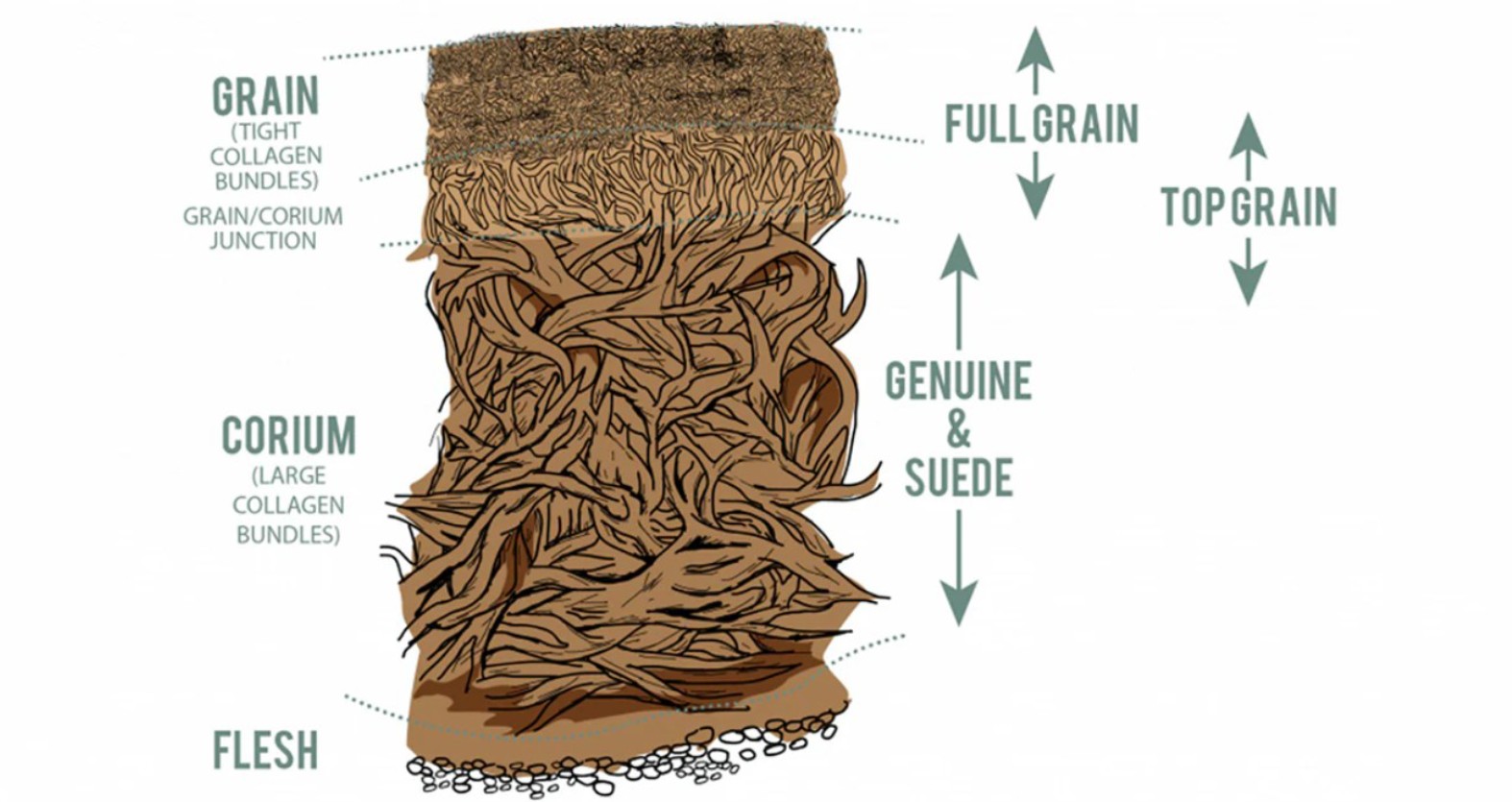
Full grain leather is the highest-quality leather, retaining the natural Grain and Junction layers – the densest areas of collagen fibers that provide durability, breathability, and unique natural grain. In contrast, top-grain leather has been sanded or surface-treated to remove imperfections. While this makes the leather softer and more uniform in color, it reduces durability and prevents the leather from developing a natural patina over time.
5.3. How can you distinguish real full grain leather from processed or high-end faux leather by sight?
One of the simplest ways is to observe the grain pattern. Genuine leather always shows natural asymmetry – unlike industrial leather, which is perfectly uniform. On closer inspection, you’ll notice subtle wrinkles, tiny pores, and slightly irregular grain lines – all signs of leather that hasn’t been sanded or coated. When touched, real leather feels slightly cool, soft, and has a gentle elasticity.
Another tip is the water test: real full grain leather absorbs water slowly, leaving a faint damp spot that dries gradually, whereas faux leather or PU-coated leather repels water immediately. Additionally, genuine leather has a distinctive, slightly earthy scent reminiscent of wood or damp soil – a feature no synthetic material can fully replicate.
5.4. Is full grain leather easy to maintain?
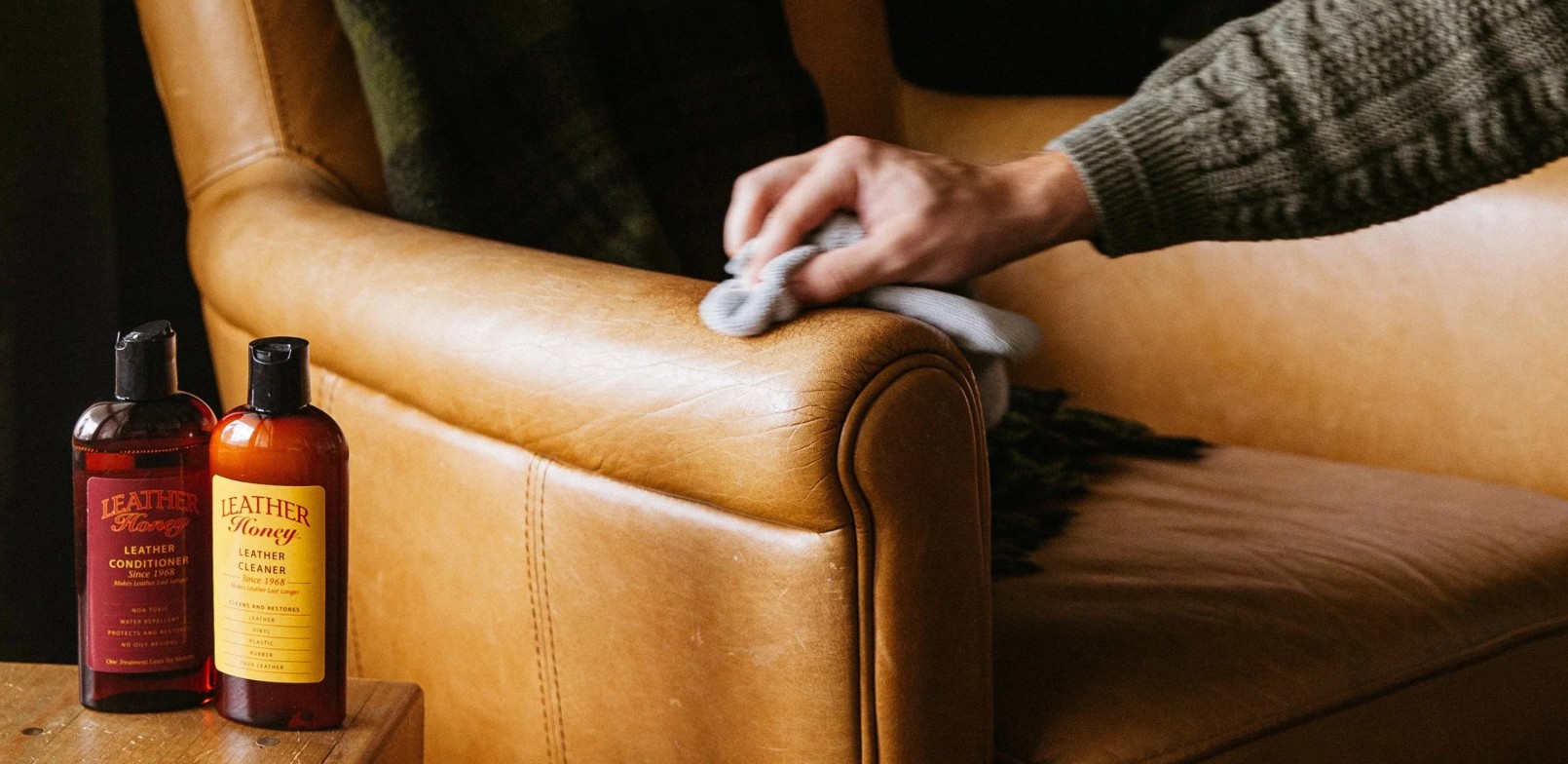
In fact, full grain leather is quite easy to care for if stored properly. Simply wipe it gently with a soft, slightly damp cloth, and avoid direct sunlight or high heat sources. Occasionally applying a thin layer of leather conditioner or specialized oil will keep the leather soft, glossy, and preserve its color over time – especially for natural full grain leather sofas.
5.5. Can full grain leather be combined with synthetic materials in the same sofa design?
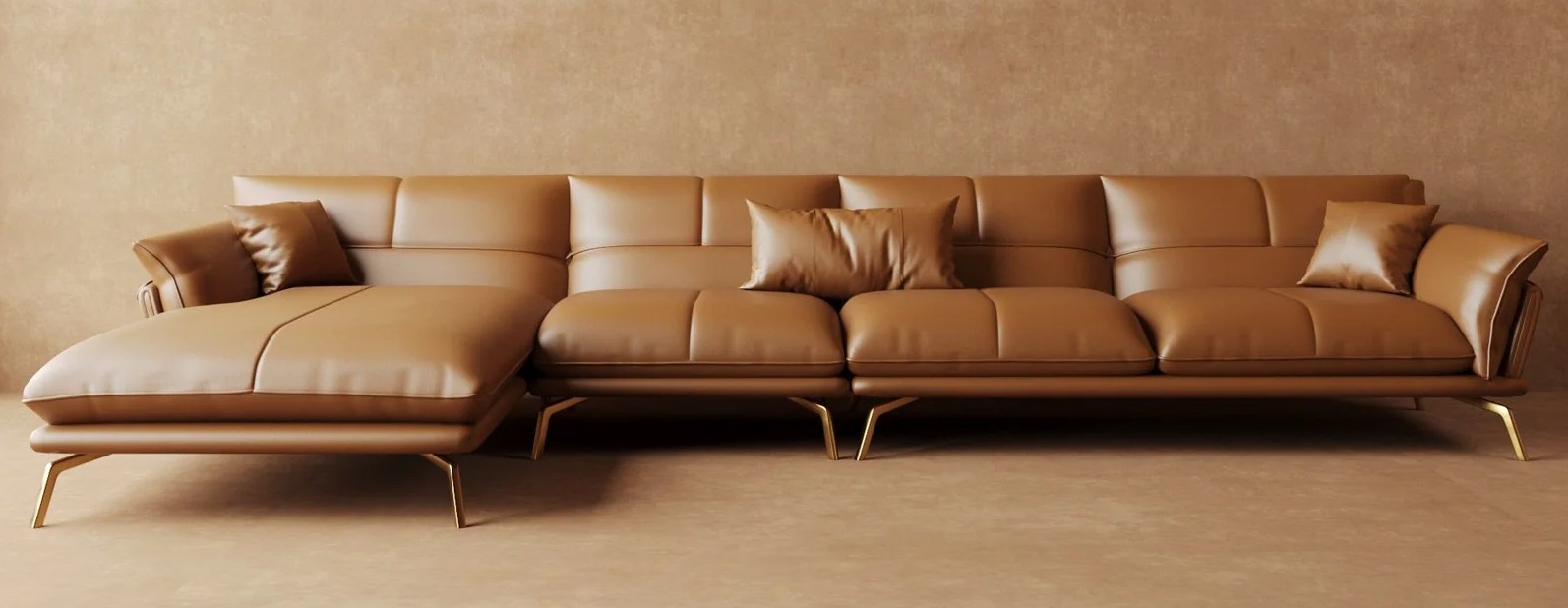
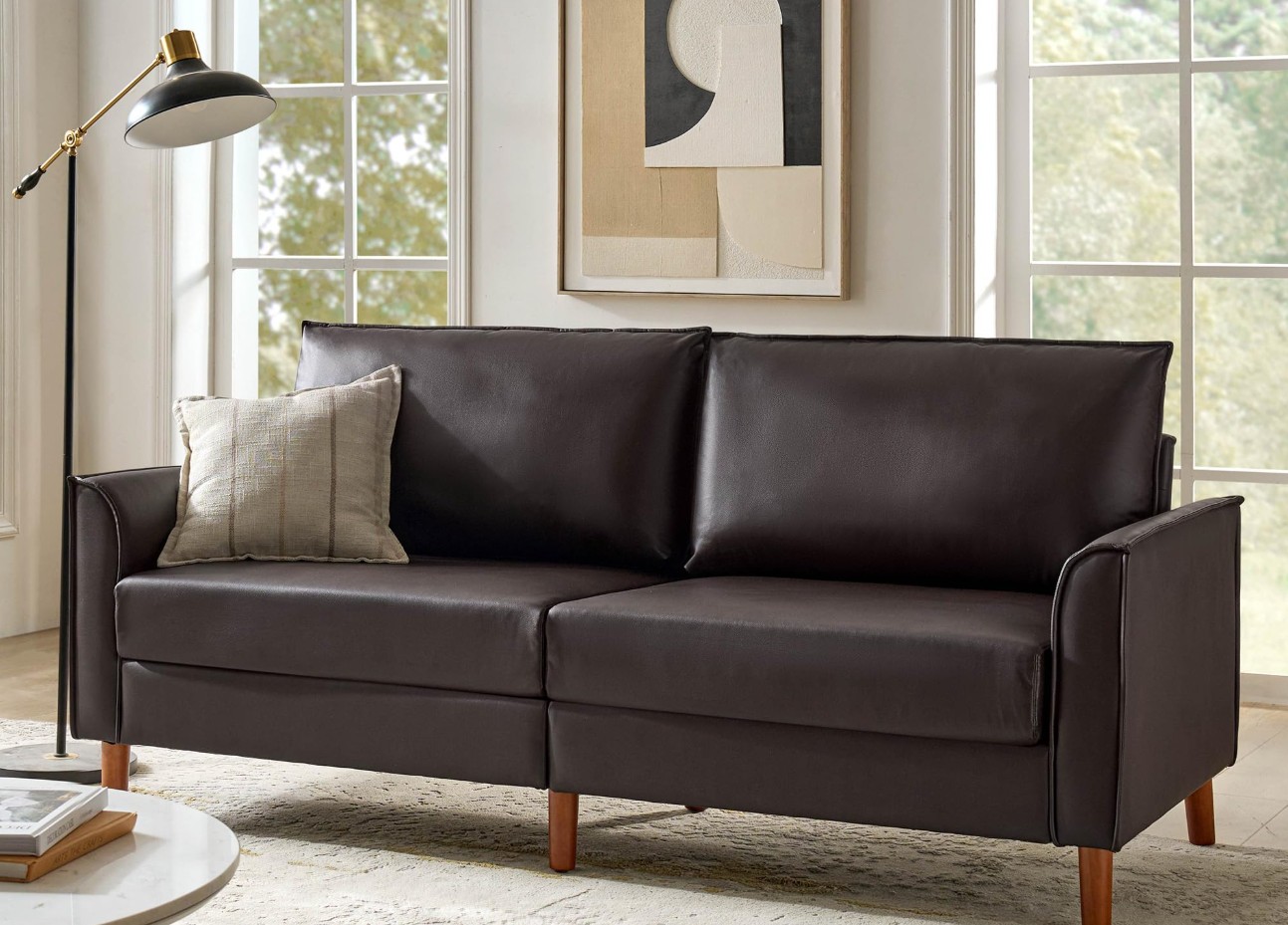
Absolutely – and this hybrid design approach is currently a popular trend. For large or complex sofa designs, combining full grain leather in areas with direct user contact (such as the seat, armrests, and backrest) with premium PU or PVC on the back panels helps optimize costs while maintaining a luxurious feel.
The key is precise proportioning and sewing techniques to avoid differences in color or elasticity between materials. At The Sofa Furniture, our design and technical teams carefully study each type of leather before combining them – ensuring consistency in aesthetics, durability, and premium tactile experience in every detail.
With a professional manufacturing foundation, strict quality control processes, and flexible order fulfillment, The Sofa Furniture is committed to providing businesses with natural full grain leather sofa solutions that meet both aesthetic standards and commercial efficiency. Contact us today to take advantage of our factory-direct pricing.
📞 Hotline / WhatsApp: +84-975-947-573
📧 Email: [email protected]
📍 USA Office: 2465 Pine Lake Rd, Tucker, GA 30084, USA
🏭 Factory: Phu Thu hamlet, Phu An village, Ben Cat City, Binh Duong, Viet Nam
⏰ Working Hours: 8:00 AM – 5:00 PM
-
 03/11/2025
 -
 31/10/2025