All You Need to Know About Faux Leather
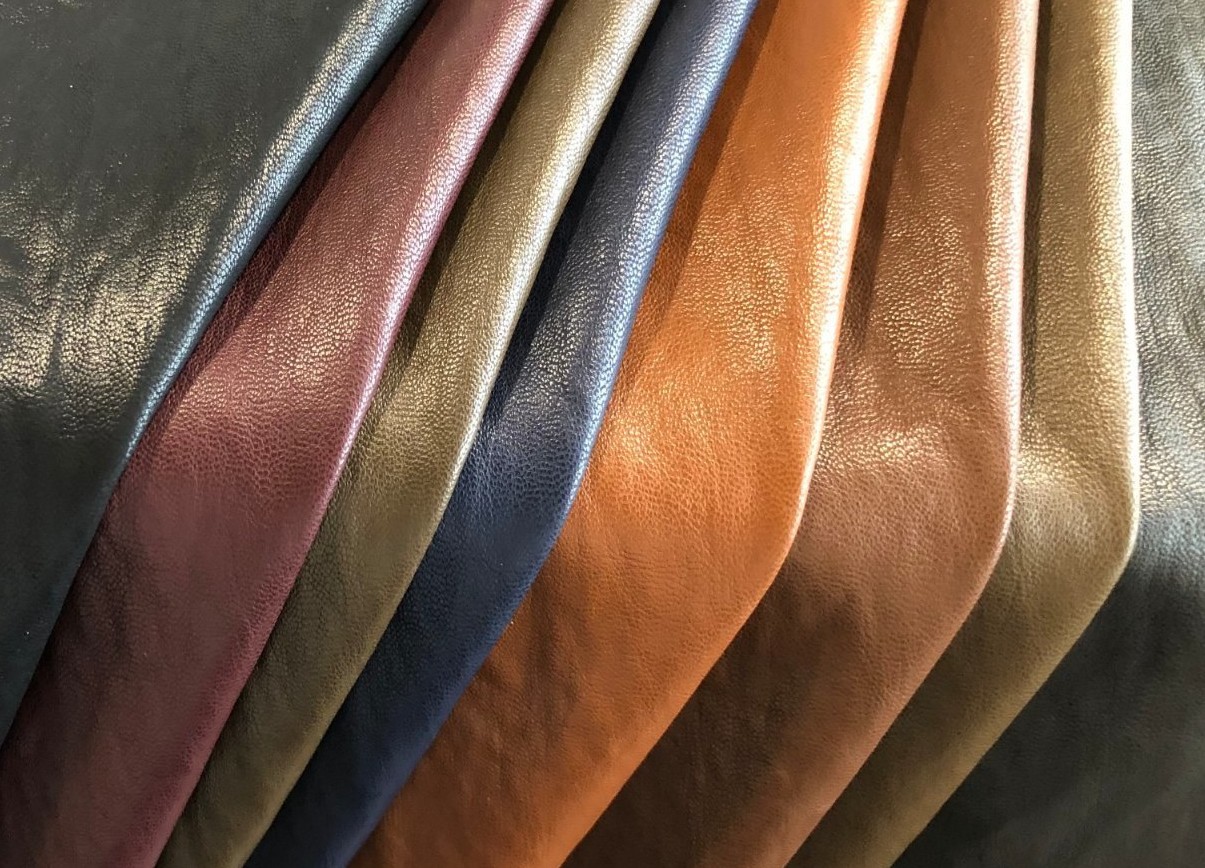
Faux leather has increasingly become a popular choice thanks to its versatility, durability, and flexible supply for both the interior and commercial markets. From familiar synthetic options like PU and PVC to modern materials such as bio-based leather and Silicone, each type carries its own strengths and limitations, helping to expand production possibilities worldwide.
This article will guide you through a detailed exploration of each type, clarify their characteristics, and help you choose the right faux leather for upholstery. Let’s dive in with The Sofa Furniture.
1. What Is Faux Leather?
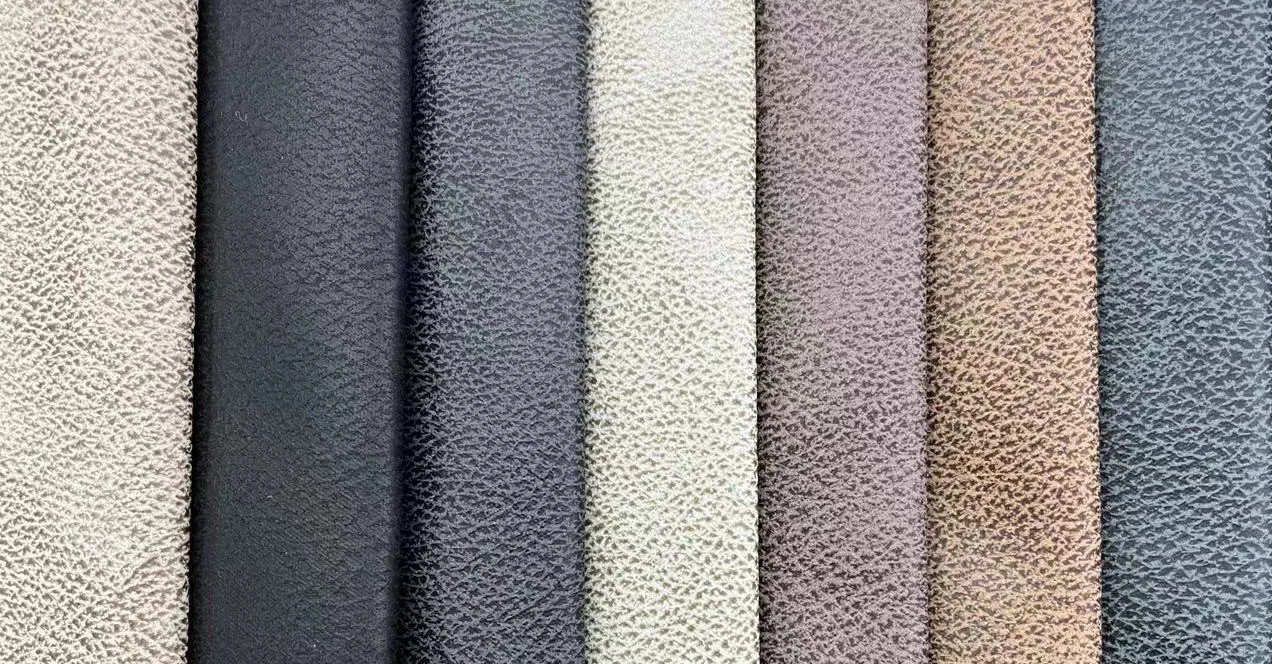
Over the past decades, faux leather has become one of the key materials in modern furniture and fashion industries. It is an artificial material designed to replicate the texture, color, and feel of genuine leather, without relying on animal-based raw materials. This not only helps reduce production costs but also opens the door to more sustainable practices, appealing to environmentally conscious consumers and those who value humane products.
In the past, Faux leather was commonly referred to as synthetic leather or industrial leather. However, with technological advancements and the global shift towards “greener” materials, new concepts have emerged. Terms like vegan leather and bio-based leather now reflect a broader change in both production approaches and consumer mindset worldwide.
2. How Many Types of Faux Leather Are Available Today?
Based on their production origins, Faux leather can be categorized into the following groups:
2.1. Synthetic-based Leather
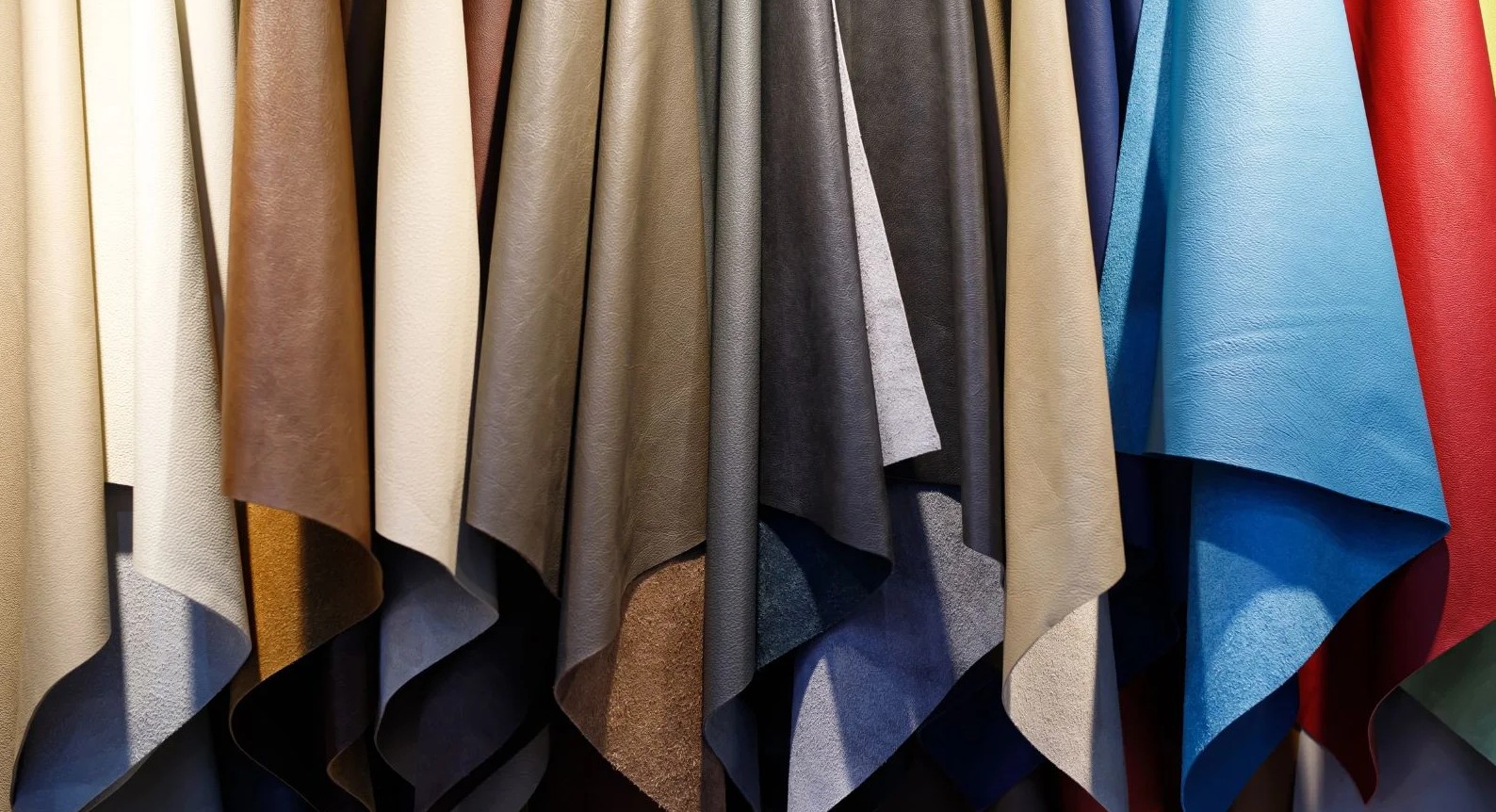
This is the most familiar category when it comes to Faux leather. The material is made from synthetic polymers applied over a fabric base to mimic the surface of genuine leather.
A. Classification
| Material | Description |
| PVC (Polyvinyl Chloride) | The earliest type of synthetic leather, made from polyvinyl chloride. Its surface is usually glossy and smooth, water-resistant but with low breathability. PVC is durable, cost-effective, and easy to clean, but it tends to crack and harden over time compared to real leather. |
| PU (Polyurethane) | Made from polyurethane, PU leather is softer and more flexible than PVC, offering a touch close to real leather, with good elasticity and visual appeal. |
| Microfiber leather | An advanced generation of synthetic leather using ultra-fine woven fabric to mimic collagen fiber structures of real leather. It has excellent mechanical strength, resistance to peeling, and superior wear durability. |
| Semi-PU (Split PU) | A blend of PU and cheaper materials like PVC, balancing cost and quality. The surface remains soft and attractive, but durability and resistance to peeling are lower than pure PU. |
| Nano-PU / Water-based PU | An improved PU using water-based coating instead of organic solvents. It emits no VOCs, is more environmentally friendly, and resists fading well. Production costs are higher, and the process is more complex than traditional PU. |
| TPU / TPE / TPO (Thermoplastic variants) | Recyclable thermoplastic polymers with high elasticity, UV and chemical resistance. The surface is less soft than PU or microfiber but highly durable and weather-resistant. |
B. General Advantages and Disadvantages
Advantages:
- Low production cost, widely accessible: Especially PVC and Semi-PU, suitable for large-scale manufacturing.
- Stable mechanical durability: Water-resistant, abrasion-resistant, tear-resistant, and shape-retaining.
- Easy to clean and maintain: Surfaces are water-repellent, less prone to dirt, convenient for daily use.
- Aesthetic versatility: Available in various colors, patterns, and textures, closely imitating real leather.
- Some environmentally friendlier options: Water-based PU, TPU/TPE/TPO are recyclable, reduce VOC emissions, and resist UV.
Disadvantages:
- Low breathability: Especially PVC, which can feel hot and sticky during prolonged contact.
- Less natural feel: Particularly PVC and Semi-PU, as softness and elasticity cannot fully match real leather or microfiber.
- Limited lifespan for some types: Semi-PU and PVC may crack or peel over time.
- Environmental impact: Oil-based synthetic leathers are difficult to decompose and may release VOCs (except water-based PU or recyclable polymers), contributing to pollution if not handled properly.
- Requires advanced production technology: High-end lines like microfiber and Nano-PU need sophisticated machinery and processes, increasing costs compared to basic PU/PVC.
>> Things you want to know more:
2.2. Bio-based Leather
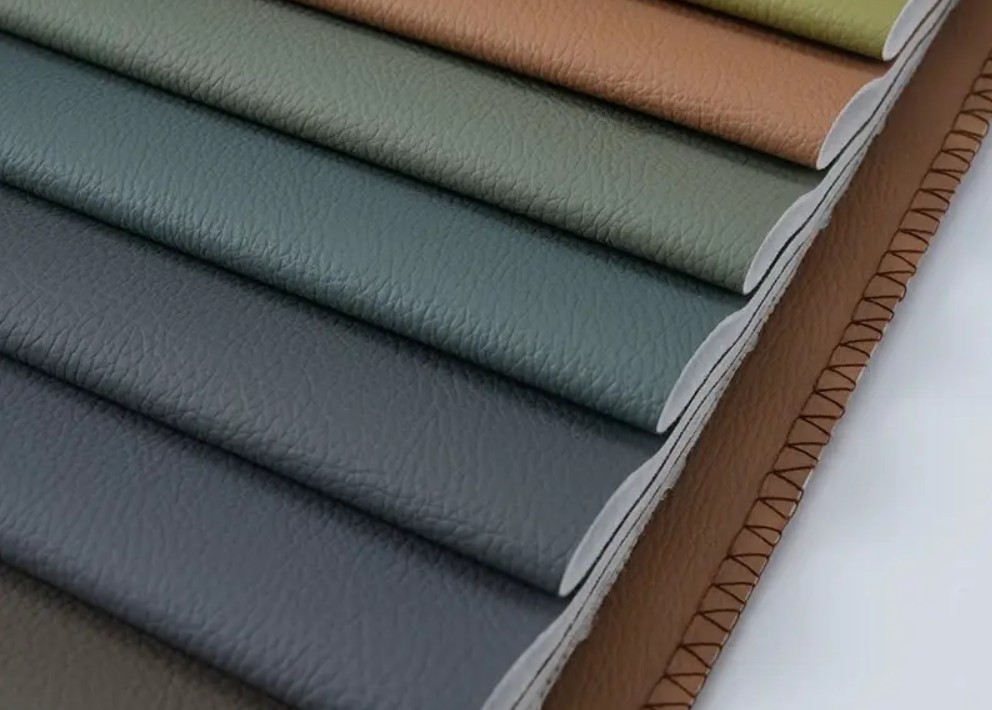
Bio-based leather represents a significant step forward in sustainable production. Unlike synthetic leather made from petroleum-based polymers, this group of materials utilizes renewable biomass sources such as cellulose fibers or lab-grown proteins, combined with plant-based bioplastics from corn, sugarcane, or algae (PLA, PHA, PHB…) to create surfaces that closely mimic genuine leather.
A key advantage of this Faux leather category is that it contains no PVC or petroleum-based PU, reducing the carbon footprint and offering a more environmentally friendly option.
A. Classification
| Material |
Description |
| Cellulose-based Leather | Produced from biomass such as coffee grounds, bamboo, pineapple/apple/banana peels. The cellulose fibers are extracted, processed, and pressed into sheets that simulate real leather surfaces. Bioplastics like PLA, PHA, or Bio-PU are typically used as binding agents.
The result is a soft, lightweight, and breathable surface. However, mechanical strength and abrasion resistance remain lower than PU or microfiber leather. |
| Lab-grown Protein Leather | Created using synthetic biology, this material involves cultivating cells or microorganisms to naturally produce collagen-like proteins, which are then assembled into complete “leather sheets” without the need for animal sources.
The result is a soft, breathable, highly elastic Faux leather, nearly entirely vegan. Production remains expensive and not yet widely adopted at commercial scale. |
| Plastic-free Bio-leather | This next-generation material contains no petroleum plastics or synthetic biopolymers. It relies entirely on the natural structure of cellulose, lignin, or proteins “bonded” through green chemical processes.
Only a few brands, such as MIRUM® by Natural Fiber Welding, have achieved this level, producing fully plastic-free and biodegradable leather. Production is complex and costly, requiring specialized expertise. |
B. General Advantages and Disadvantages
Advantages:
- Environmentally friendly: Free from petroleum-based inputs, reduces carbon footprint, many types are biodegradable.
- Renewable raw materials: Utilizes cellulose, lab-grown proteins, or plant-based ingredients, reducing dependency on animals and oil-based plastics.
- Natural and breathable surface: Soft, lightweight, close to genuine leather, with some types offering good elasticity.
- Vegan potential: No animal materials required, suitable for sustainable and vegan products.
Disadvantages:
- High cost: Production is more expensive than conventional petroleum-based synthetic leather.
- Limited mechanical performance: Strength, abrasion resistance, and tear resistance are often lower than petroleum-based synthetics or real leather.
- Limited production scale: Some new technologies are not yet widely commercialized, making large-scale, cost-effective manufacturing challenging.
- High technical requirements: Careful control of synthetic biology or green chemical processes is needed to ensure product quality and consistency.
>> Read more: All You Need to Know About Vegan Leather
2.3. Silicone-based Leather
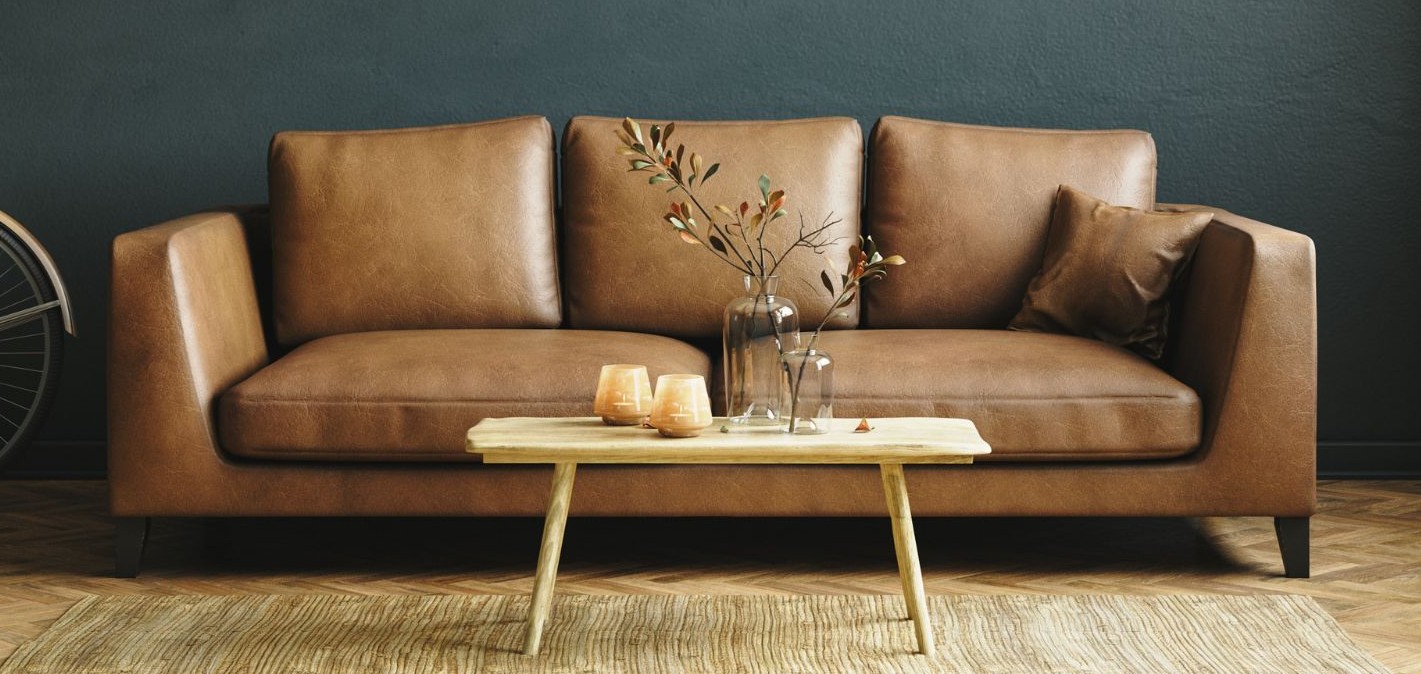
Silicone-based leather is considered the “next generation of Faux leather,” emerging around 2018 – 2020 and opening a unique path in the artificial materials industry. Unlike petroleum-based synthetic leather, silicone originates from silica – the primary component of sand, containing no plastics or petroleum. It offers a more environmentally friendly option while maintaining superior performance.
Key Features:
- The surface is coated with silicone over a microfiber or polyester base, providing a soft, cool, and luxurious touch.
- Free from VOC emissions, DMF, and BPA, reducing potential environmental hazards and risks to users.
- Extremely durable, UV-resistant, water-repellent, and easy to clean, suitable even in harsh conditions.
- Often described as a “hybrid between technology and nature,” silicone is as approachable as bio-based leather while as robust as synthetic leather. Many experts refer to it as the “third wave of synthetic leather.”
Advantages:
- Soft, premium feel: Offers a cool, luxurious touch close to high-end genuine leather.
- Exceptional durability: Resistant to UV, water, tearing, and peeling.
- Environmentally and user-friendly: Contains no plastics, petroleum, or harmful chemicals.
- Easy to process and maintain: Ideal for high-end furniture, footwear, and bags.
Disadvantages:
- High production cost: Due to silicone raw materials and complex surface coating technology.
- Requires precise technology: Improper control can affect surface softness and consistency.
- Limited recyclability: Industrial-scale recycling is still less common compared to plastic-based Faux leather.
>> Read more: Sofa Making Factory – Turning Your Business Ideas into Real Products
3. Which Type of Faux Leather Should You Choose for Upholstery?
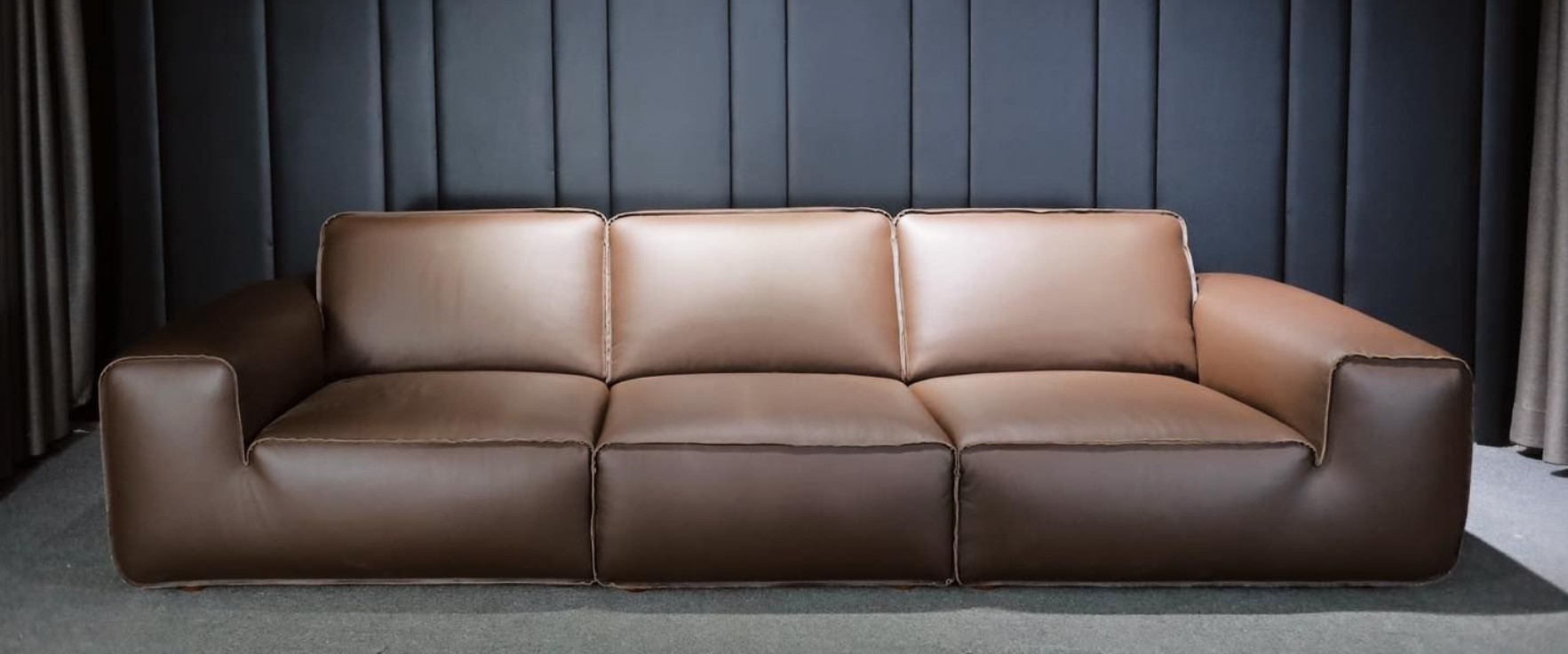
Choosing the right type of Faux leather for upholstery is not just a matter of cost. In reality, every project, from retail or wholesale orders to international resorts and hotels, has specific criteria that businesses need to evaluate carefully.
From the perspective of The Sofa Furniture, a company with over 15 years of experience producing and supplying sofas to demanding markets such as the U.S., Australia, Europe, Japan, South Korea, and Qatar, we find that an informed decision relies on the following considerations:
3.1. Intended Use and Placement Environment
Every environment has its own requirements.
For residential spaces, Faux leather should offer softness, breathability, easy maintenance, and comfort for daily use. Premium PU or microfiber leather is ideal here, providing a feel close to genuine leather while remaining durable and easy to clean.
In commercial settings such as hotels or resorts, the standards are higher: sofas must be durable, strong, abrasion-resistant, and water-repellent to withstand frequent use. In such cases, silicone-based Faux leather emerges as a strong candidate, offering UV resistance, waterproof performance, and easy maintenance.
Understanding the intended use helps businesses select Faux leather that balances touch, aesthetics, and durability, avoiding unnecessary spending on unsuitable materials.
3.2. Aesthetics and User Experience
A beautiful sofa is defined not only by color and surface but also by the tactile experience. High-quality Faux leather with a smooth, cool touch exudes sophistication and elevates the user experience. Furthermore, refined textures or intricate patterns that mimic real leather can make a striking impression while reinforcing brand value.
3.3. Durability and Maintenance
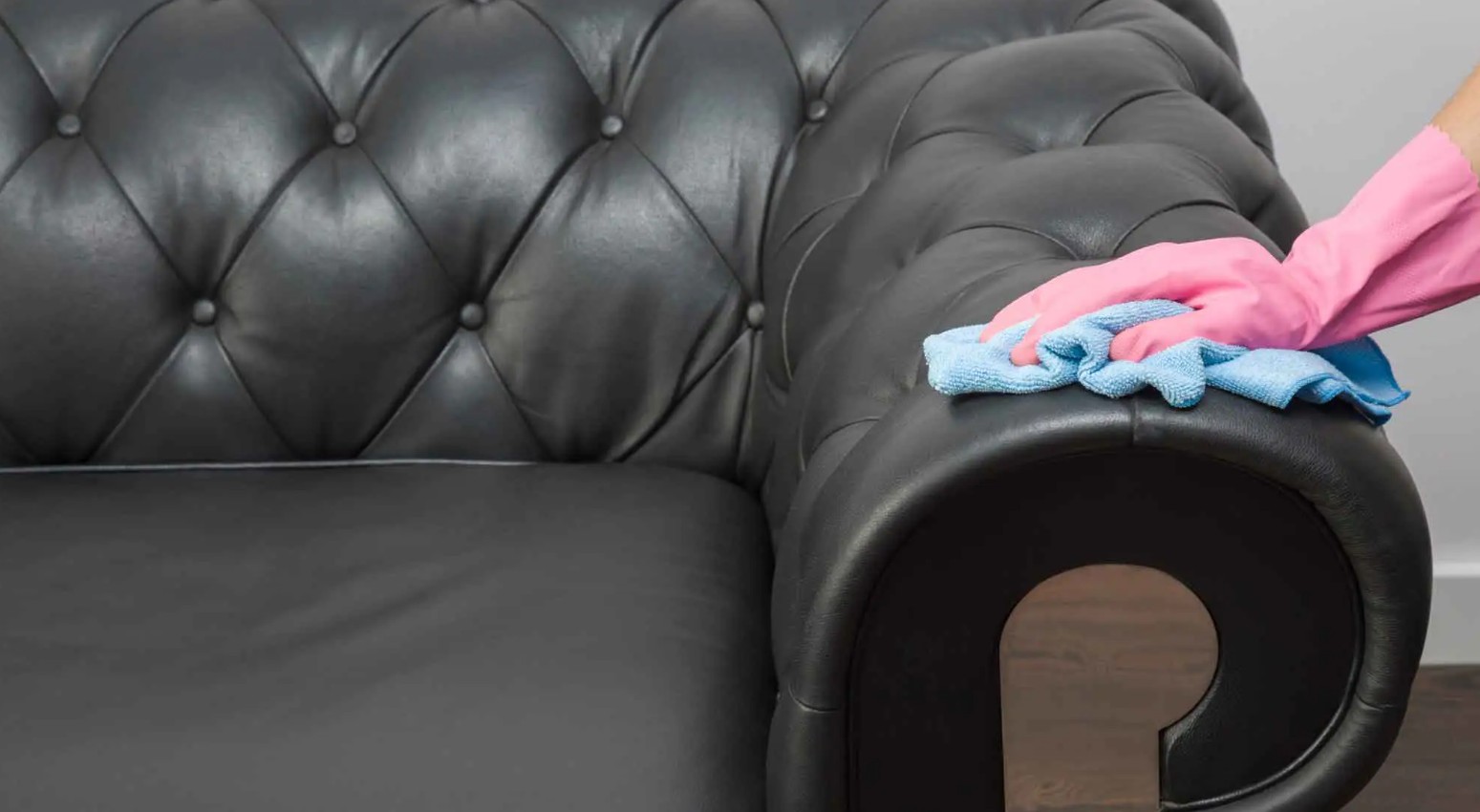
The durability of Faux leather directly impacts operational costs and the sofa’s lifespan.
High-quality Faux leather minimizes peeling, cracking, and wear, keeping sofas looking pristine for longer. Resistance to spills, stains, and ease of cleaning is particularly critical in commercial environments where furniture undergoes heavy use. Businesses should consider the end-user experience to balance initial investment with long-term maintenance costs.
3.4. Climate and Environmental Adaptability
Not all Faux leather reacts the same way to heat, humidity, or sunlight.
Some PU or PVC types may become stiff or crack under high temperatures, reducing product longevity. On the other hand, newer bio-based leathers adapt better to changing conditions, maintaining color and surface stability even in harsh environments, making them ideal for export projects or international resorts and hotels.
3.5. Brand Value and Consumer Trends
Today’s interior market increasingly emphasizes sustainability and eco-friendliness. Selecting environmentally friendly Faux leather can enhance a brand’s image when targeting premium customers who value green practices.
Traditional PVC or PU still fits mid-range or budget segments, suitable for industrial sofa production, office interiors, or showroom furniture where a moderate lifespan, low cost, and easy replacement are key considerations.
3.6. Feasibility in Production
Finally, an often-overlooked but crucial factor is the practicality of manufacturing and producing consistent sofas. Surface finishing, color matching, textures, and cutting patterns must align with the overall project design, especially for resorts or international hotels where uniformity across a concept is essential.
At The Sofa Furniture, we evaluate each type of Faux leather not only for aesthetics and durability but also for its practical application in production and supply. We also provide strategic consulting to clarify each order’s requirements, ensuring the final product meets consistent quality standards suitable for any project.
>> Read more: 7 Key Checklist to Identify a Reliable Vietnam Sofa Factory
4. Create High-Quality Sofa Collections with The Sofa Furniture Today
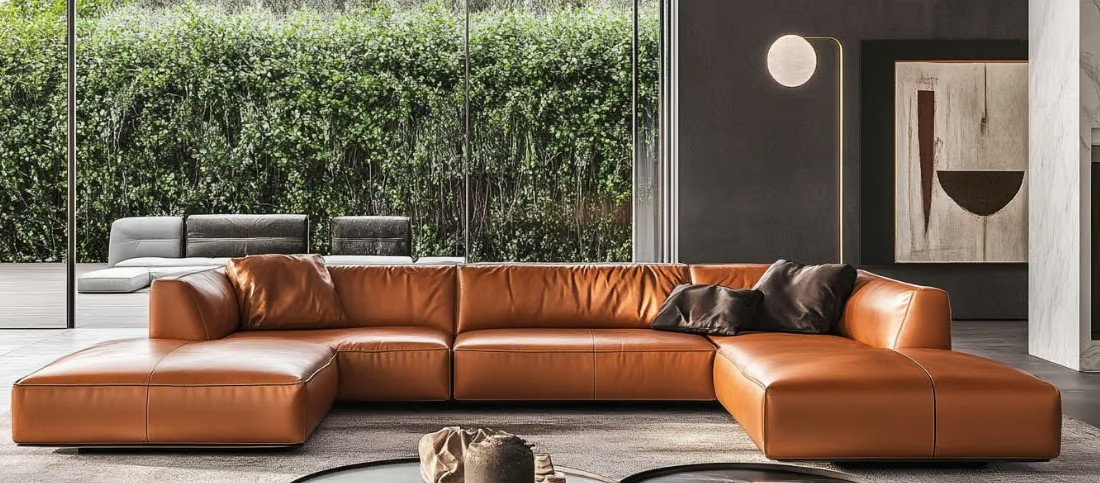
At The Sofa Furniture, we have been applying a wide range of faux leather in our export sofa lines. From eco-friendly materials such as vegan leather made from pineapple leaves or mushrooms for exclusive collections, to PU and PVC sofas suitable for industrial and commercial segments, we can meet diverse project needs.
Our production is not limited to one style. The Sofa Furniture manufactures a full variety of sofa types, including two-seaters, armchairs, corner sofas, L/U-shaped sofas, and divans, with multiple upholstery options such as genuine leather, faux leather, fabric, linen, or cotton blends. This ensures we cater to both design requirements and user experience expectations.
Every product is crafted through a professional, fully integrated production process that combines modern machinery with the expertise of skilled technicians. Each month, our factory can produce and export 60–100 containers, efficiently fulfilling OEM/ODM orders with high customization demands from international partners.
If your business is seeking a reliable sofa manufacturer in Vietnam – one that offers flexibility in design and quality – The Sofa Furniture is ready to be your trusted partner.
With over 15 years of industry experience and a commitment to sustainable development, we are confident in delivering sofa products of real value, matching both investment cost and brand image for the global market.
Contact us today to receive the latest quotations and special offers!
📞 Hotline / WhatsApp: +84-975-947-573
📧 Email: [email protected]
📍 USA Office: 2465 Pine Lake Rd, Tucker, GA 30084, USA
🏭 Factory: Phu Thu hamlet, Phu An village, Ben Cat City, Binh Duong, Viet Nam
⏰ Working Hours: 8:00 AM – 5:00 PM
-

-
 03/11/2025