Everything You Need to Know About Microfiber
We invite you to join The Sofa Furniture in exploring microfiber – one of the most premium fabric materials widely used in the furniture industry, as well as in various other industrial applications. Take a closer look through the article below to discover why this innovative material is gaining remarkable attention worldwide.
1. What Is Microfiber?
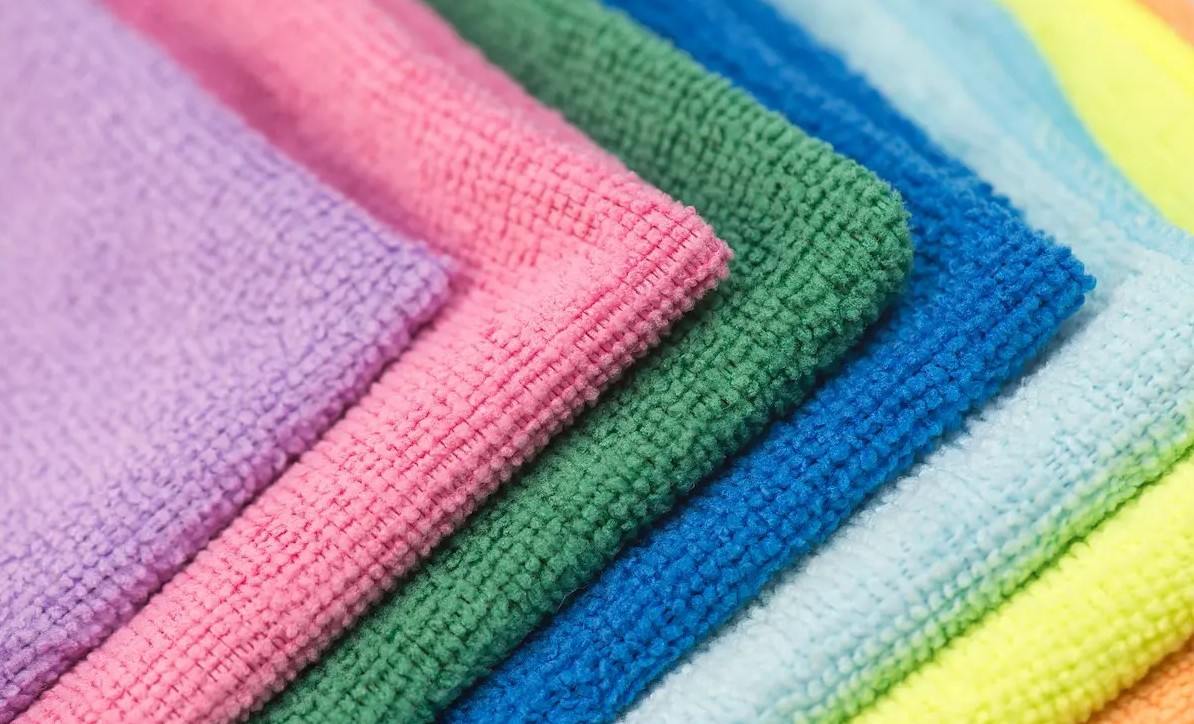
Microfiber is an ultra-fine synthetic fiber made primarily from polyester and polyamide (nylon). Each microfiber strand is incredibly small: about 1/100 the diameter of a human hair and 1/20 the diameter of silk, making it almost invisible to the naked eye. Thanks to this microscopic size, microfiber has become one of the finest and most refined fibers ever engineered by humans.
To better understand just how delicate microfiber is, let’s compare the fiber fineness, measured in a unit called “denier”:
- A typical cotton fiber measures around 200 denier.
- A human hair is roughly 20 denier.
- Silk is about 8 denier.
=> In contrast, microfiber measures only 0.01 – 0.02 denier, over 100 times finer than human hair, and even more delicate than the finest silk.
With its unique structure, every square inch of microfiber fabric contains hundreds of thousands of split micro-strands. Each of these strands acts like a tiny “hook,” capable of lifting, trapping, and locking in dirt particles without the need for harsh cleaning agents.
This remarkable property makes microfiber widely used across industries, from cleaning cloths and household products to bedding, sportswear, and premium sofa upholstery. Its combination of durability, softness, and exceptional absorbency has made microfiber a truly standout material in both daily life and industrial manufacturing.
2. Advantages and Disadvantages of Microfiber
2.1. Advantages
Exceptional Durability
Microfiber is woven extremely tightly, containing hundreds of thousands of ultra-fine fibers per square inch, which gives it outstanding durability compared to natural fabrics. It resists tearing, abrasion, and deformation even after long-term use. This dense structure helps the fabric maintain its shape, preventing pilling or sagging over time. That’s why microfiber is widely favored for premium sofa upholstery, commercial furniture, and household textiles that require lasting strength and resilience.
Soft and Wrinkle-Resistant
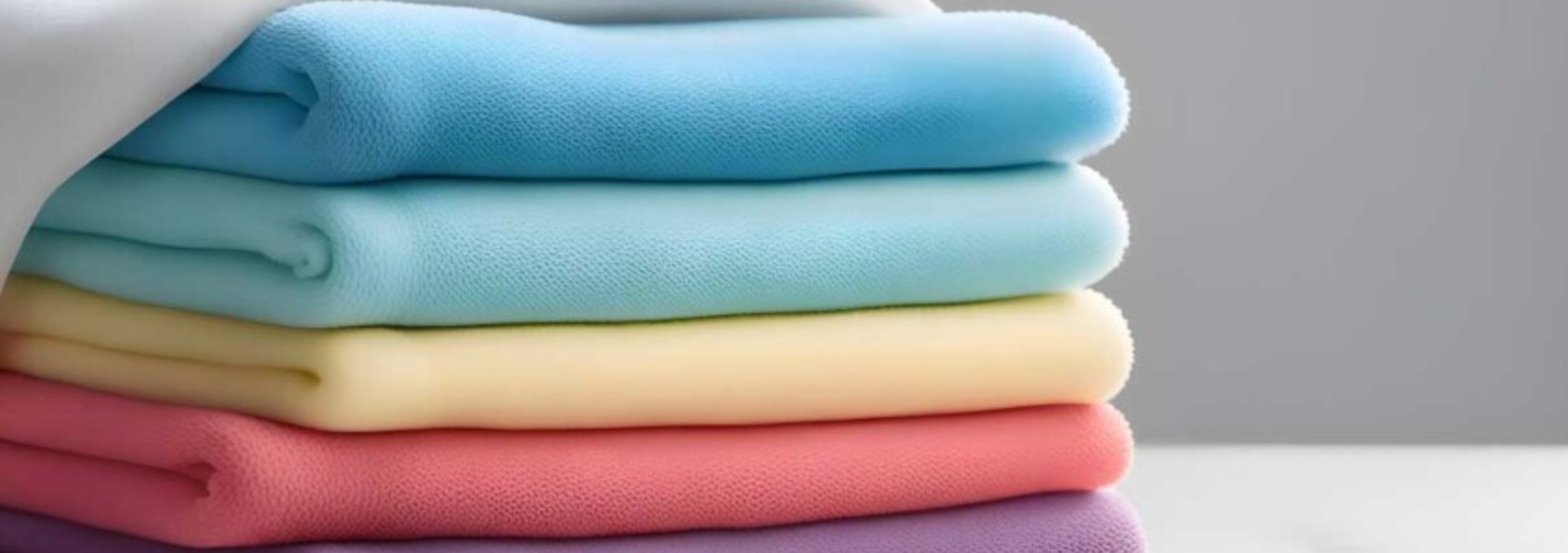
One of microfiber’s most distinctive traits is its luxurious softness and excellent elasticity. Each micro-strand is so fine that it glides smoothly against the skin, creating a delightfully gentle touch. Unlike cotton or linen, which tend to wrinkle easily, microfiber retains its smooth, crisp appearance, keeping products neat and elegant. For that reason, it’s a popular material in bedsheets, towels, sportswear, and especially modern sofa upholstery that values both aesthetics and comfort.
Easy to Clean & Quick-Drying
Microfiber is exceptionally easy to maintain. Every square inch of the fabric can contain up to 200,000 tiny fibers, giving it over 40 times more surface area than regular fabrics. This allows microfiber to lift and trap dust, grease, and liquid with just a single wipe, no need for harsh cleaning chemicals. Plus, thanks to its lightweight and fine structure, microfiber dries up to three times faster than cotton, making it highly practical for everyday washing and care.
Superior Absorbency
Technically, microfiber doesn’t “absorb” water like cotton does. Instead, it traps liquid between thousands of tiny capillary channels formed by split fibers – an effect known as capillary action. This mechanism allows microfiber to hold up to seven or eight times its weight in water, while remaining breathable, quick-drying, and resistant to moisture buildup. When used in clothing, it keeps the body dry and comfortable; when used as sofa upholstery, it provides light water resistance, cleanliness, and easier maintenance.
Dust-Resistant, Antimicrobial & Colorfast
Because of its tightly woven fiber structure, microfiber naturally repels dust, resists mildew, and provides built-in antibacterial protection. Additionally, the polyester and polyamide components of microfiber retain dyes exceptionally well, enhancing colorfastness even under exposure to light, water or friction.
>> Read more: Everything You Need to Know About PU Leather
2.2. Disadvantages
Microplastic pollution
Like most synthetic fibers, microfiber is derived from petroleum-based materials. During washing, thousands of microfilaments can shed from the fabric surface and enter the water stream, eventually becoming microplastics. These particles are extremely difficult to decompose and can infiltrate rivers, oceans, and even the food chain, posing risks to marine life and the environment. This is widely considered the biggest environmental downside of microfiber – the “trade-off” for its impressive technological advantages.
Less breathable than natural fibers
Because of its tightly woven structure and plastic-based composition, microfiber is less breathable than natural fabrics like cotton or linen. It tends to retain heat, which can make the wearer feel slightly warm or stuffy in humid or hot weather. For this reason, microfiber products are better suited for cooler or air-conditioned environments, such as bed linens, living room sofas, or indoor sportswear.
Sensitive to heat and humidity
Microfiber is not very heat-resistant, at temperatures above 60°C (140°F), the fibers can melt or deform, reducing the fabric’s lifespan. When washing, drying, or ironing, it’s important to use low heat settings to preserve the fiber structure. In addition, if the fabric is not thoroughly dried, the tiny gaps between fibers can trap moisture, creating an ideal environment for bacteria growth and unpleasant odors.
Static buildup and light dust attraction
As a synthetic material, microfiber tends to generate static electricity, which makes it prone to attracting dust or pet hair – especially in dry, cold conditions. This may cause the surface to appear slightly dull even when clean. However, this same property becomes an advantage when microfiber is used for cleaning cloths, as it allows the material to pick up dust efficiently without the need for chemical agents.
3. The Microfiber Fabric Manufacturing Process
Microfiber fabric is typically made from two main types of polymers: polyester and polyamide (nylon), in a common ratio of 80:20. Each material plays a distinct role:
- Polyester is oleophilic (oil-attracting), which helps the fabric absorb oils and trap dirt effectively.
- Polyamide is hydrophilic (water-attracting), enhancing the fabric’s water absorption capability.
- Especially: Some manufacturers may adjust the ratio or add specific additives to achieve desired softness, texture, or surface properties.
Below is an overview of the modern microfiber production process:
| STEPS |
DESCRIPTION |
| STEP 1 | Raw Material Preparation
The process begins by melting polyester and polyamide pellets in two separate tanks at high temperatures. In their molten state, these materials are kept completely isolated to prevent blending before fiber formation. |
| STEP 2 | Extrusion (Fiber Spinning)
Once melted, both polymers are simultaneously extruded through a spinneret – a metal plate with dozens of microscopic holes.
As the molten streams are extruded, cool air solidifies them instantly, forming the initial filaments. These fibers are already much finer than human hair, though not yet as ultra-thin as true microfiber. |
| STEP 3 | Drawing and Winding
The newly formed filaments are stretched (drawn) to increase tensile strength and reduce diameter, then wound onto spools. At this stage, the microfiber strands are still bi-component fibers – polyester and polyamide remain bonded together. |
| STEP 4 | Weaving or Knitting
The spooled fibers are then woven or knitted into fabric sheets. The chosen weaving pattern (tight, loose, or mesh) will determine the fabric’s softness, strength, and absorbency in the final product. |
| STEP 5 | Splitting Process
This is the most critical step that gives microfiber its signature fineness. The woven fabric is immersed in a mild alkaline or dyeing solution that partially dissolves the polyester layer. This process splits the filaments apart into countless microfilaments, creating millions of tiny gaps on the surface. The result: each square inch of microfiber fabric can contain over 200 million microscopic pores, enabling exceptional absorption of water, dust, and oils. |
| STEP 6 | Finishing: Dyeing, Cutting, and Sewing
After splitting, the fabric is washed, dyed, softened, and processed into final products such as cleaning cloths, blankets, sofa upholstery, or sportswear. This finishing stage resembles that of traditional textile production but requires precise temperature control to prevent fiber melting or deformation. |
>> Read more: Everything You Need to Know About PVC Leather
4. Does Microfiber Offer a Business Advantage When Used for Commercial Sofa Upholstery?
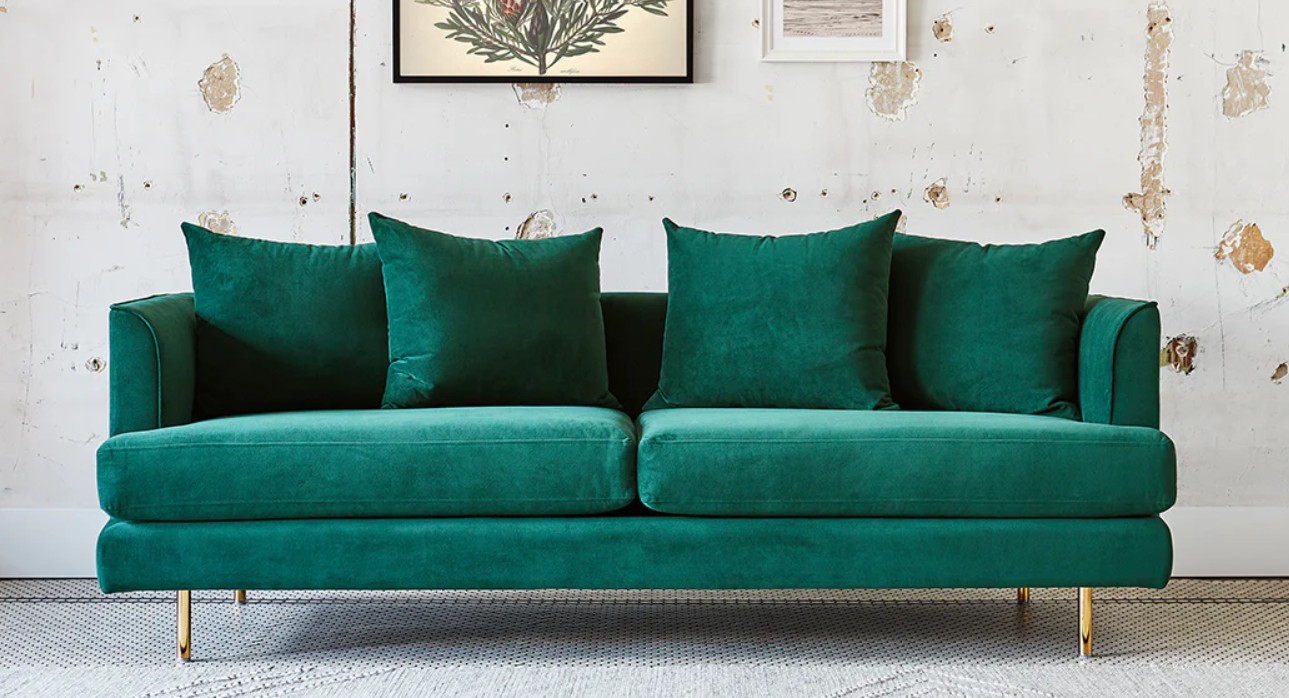
Is investing in microfiber sofas a strategic move that brings real business benefits? Let’s explore this with The Sofa Furniture.
4.1. Reasonable Cost Range
Below is a reference table comparing the average price per yard of common upholstery materials (Note: prices are for reference only — it’s best to check updated market rates for accuracy):
| Material Type | Average Price per Yard |
| Microfiber (upholstery/sofa fabric) | ≈ $10 – $30/yard (average) |
| Other synthetic fabrics (polyester, nylon, etc.) | ≈ $5 – $20/yard |
| Cotton blends (natural/synthetic mix) | ≈ $10 – $30/yard |
| Genuine leather / premium materials | ≈ $40 – $200/yard (or more depending on type) |
As shown above, microfiber sits in the mid-range price segment – significantly lower than genuine leather, yet offering superior performance compared to most standard synthetic fabrics.
For businesses targeting the mid-to-high-end furniture market, microfiber represents a smart and strategic investment. It gives finished sofas a refined, elegant look while keeping production costs highly competitive. In essence, microfiber strikes the ideal balance between aesthetics, durability, and cost efficiency, allowing enterprises to optimize both quality and budget.
4.2. Boosting Production Efficiency and Reducing Error Rates
The uniform fiber structure and stable elasticity of microfiber make it remarkably easy to handle during cutting and sewing. It doesn’t stretch out or wrinkle during processing, which helps shorten production time, minimize material waste, and ensure greater consistency across product batches. In addition, microfiber’s excellent colorfastness reduces common issues like color fading or tone variations, problems often seen in natural fabrics.
4.3. Extending Product Lifespan and Reducing Warranty Costs
Microfiber’s resistance to stains, moisture, and abrasion allows upholstered sofas to maintain their shape and color for years. For retailers and exporters, this means fewer customer complaints, lower warranty costs, and a stronger brand reputation in the market.
For commercial projects such as hotels, offices, or resorts… the material’s long-lasting durability also helps optimize product life cycles, significantly reducing the cost of replacements over time.
5. Alongside the Advantages Come a Few Challenges to Consider
While microfiber offers many benefits, businesses should also take into account several practical challenges when choosing it as a commercial upholstery fabric:
- First, the supply of raw materials heavily depends on the petrochemical market. This means production costs can fluctuate with changes in crude oil prices, making it difficult for manufacturers to maintain stable pricing – especially for large-scale production or long-term contracts.
- Second, environmental concerns are becoming an increasingly important factor. Since microfiber is a plastic-based synthetic material, microplastic fibers can be released during washing or processing. For companies exporting to eco-conscious markets such as the EU or the US, this is a key issue. Manufacturers are expected to demonstrate environmentally friendly production practices and may even need to invest in recycling or emission control technologies to meet “green” standards.
- Lastly, in terms of user experience, microfiber – despite its leather-like appearance – still lacks the natural depth, texture, and aroma of genuine leather. In high-end market segments, this difference can influence the perceived value and customers’ willingness to pay premium prices.
>> Read more: Outdoor Sofa Factory Vietnam: Top 10 Trusted Partners for Export
6. Frequently Asked Questions About Microfiber
6.1. How many types of microfiber are there?
Microfiber can be categorized into 3main types:
- Woven microfiber: tightly woven, smooth, and durable – ideal for sofa upholstery or curtains.
- Non-woven microfiber: lightweight and porous, commonly used in cleaning products, medical fabrics, or linings.
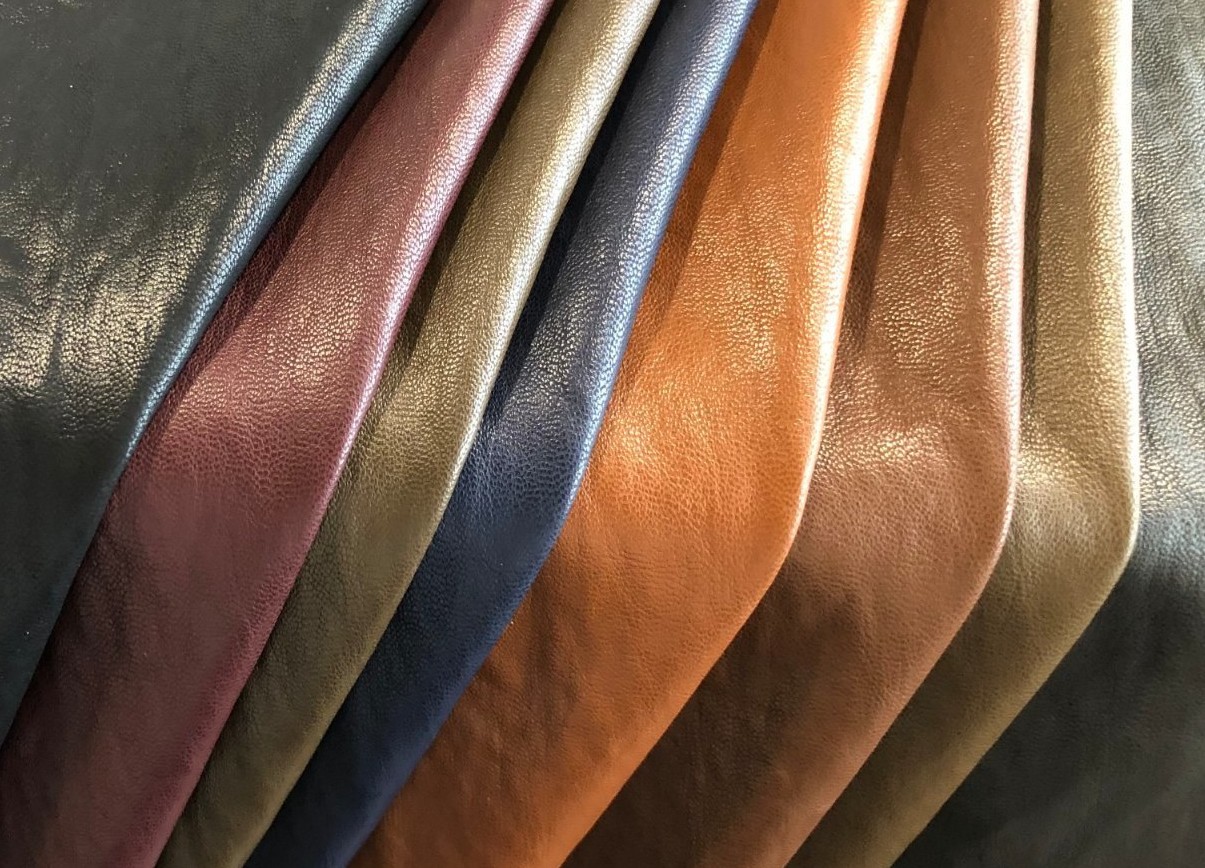
- Microfiber leather: a premium synthetic leather that mimics the collagen fiber structure of genuine leather.
6.2. How is microfiber different from genuine leather?
Microfiber leather replicates the texture and structure of real leather but is lighter, more uniform in color, more affordable, and lacks the distinct scent of natural leather. However, it’s less breathable and doesn’t have the same luxurious feel as genuine leather.
6.3. How does microfiber different from plastic-based synthetic fabrics?
While most synthetic fabrics (like polyester, nylon, or acrylic) are woven from a single polymer, microfiber combines polyester and polyamide, forming an extremely fine, dense, and smooth fiber structure.
This blend gives microfiber a unique balance: it’s softer, more breathable, and more absorbent than typical synthetics, yet still lightweight, durable, and resistant to dirt. The tactile feel of microfiber is closer to natural fabric or suede, while polyester or nylon tends to feel slick and shiny.
6.4. Can microfiber fabrics be treated for water or stain resistance?
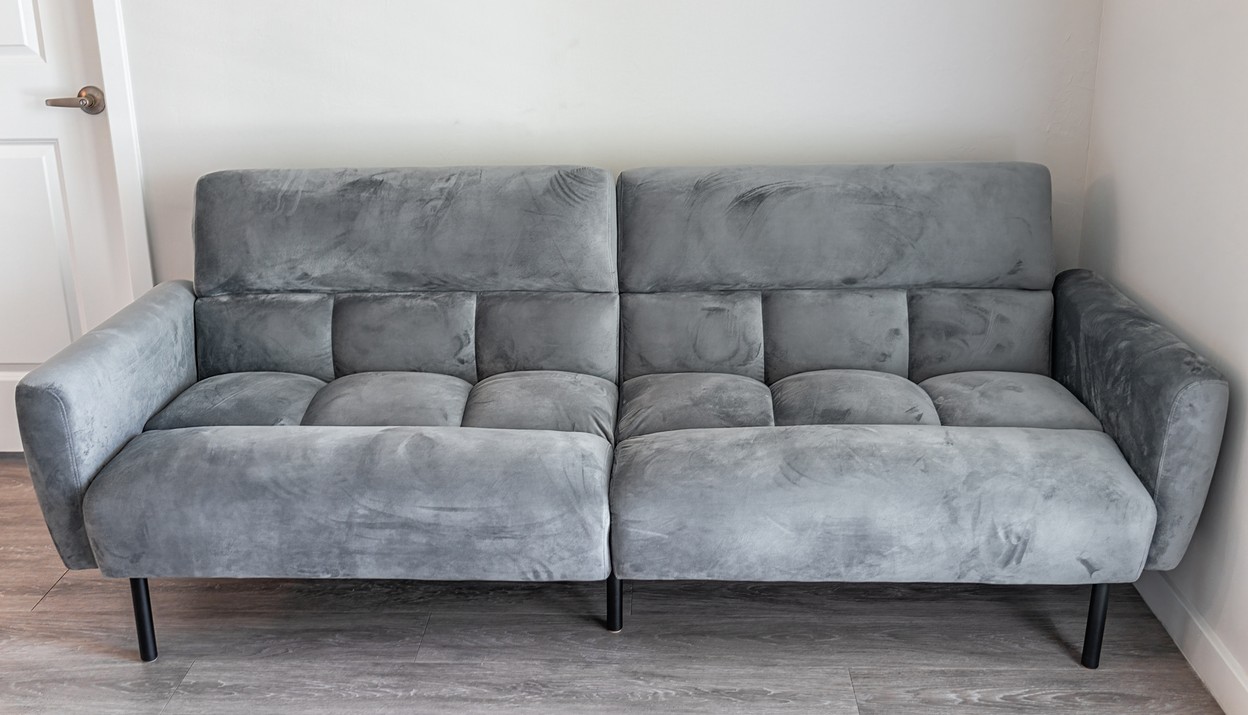
Yes. Many manufacturers apply coating or nano-finishing technologies to create a protective surface that repels liquids, resists dust, and extends product lifespan. This is especially valuable for hotels, serviced apartments, or cafés, where sofas are frequently used.
6.5. Is microfiber suitable for outdoor furniture?
Not entirely. Even with water-repellent coatings, microfiber is less resistant to UV exposure and prolonged humidity compared to outdoor-grade acrylic fabrics. Therefore, it’s best suited for indoor furniture or covered spaces.
6.6. Are there special requirements when upholstering sofas with microfiber?
Yes. Because microfiber fibers are extremely fine and smooth, needle size, thread tension, and sewing speed must be carefully adjusted to prevent puckering or thread pulling. Some factories use ballpoint needles and soft polyester thread to achieve clean, consistent stitching.
6.7. What is the average lifespan of a microfiber sofa?
With proper care, a microfiber sofa can last between 7 – 10 years, comparable to many mid-range genuine leather sofas. Its durability depends on factors such as fiber density (denier), weaving technique, and the surface finishing applied by the manufacturer.
If your business is looking for a trusted and flexible sofa manufacturer with deep expertise in international markets, The Sofa Furniture is the partner you can rely on. With over 15 years of experience and a state-of-the-art production system, we’re ready to collaborate with you in creating high-quality sofa collections that truly reflect your brand’s identity.
Contact us today to start our partnership and receive the best quotation!
📞 Hotline / WhatsApp: +84-975-947-573
📧 Email: [email protected]
📍 USA Office: 2465 Pine Lake Rd, Tucker, GA 30084, USA
🏭 Factory: Phu Thu hamlet, Phu An village, Ben Cat City, Binh Duong, Viet Nam
⏰ Working Hours: 8:00 AM – 5:00 PM
-

-
 03/11/2025