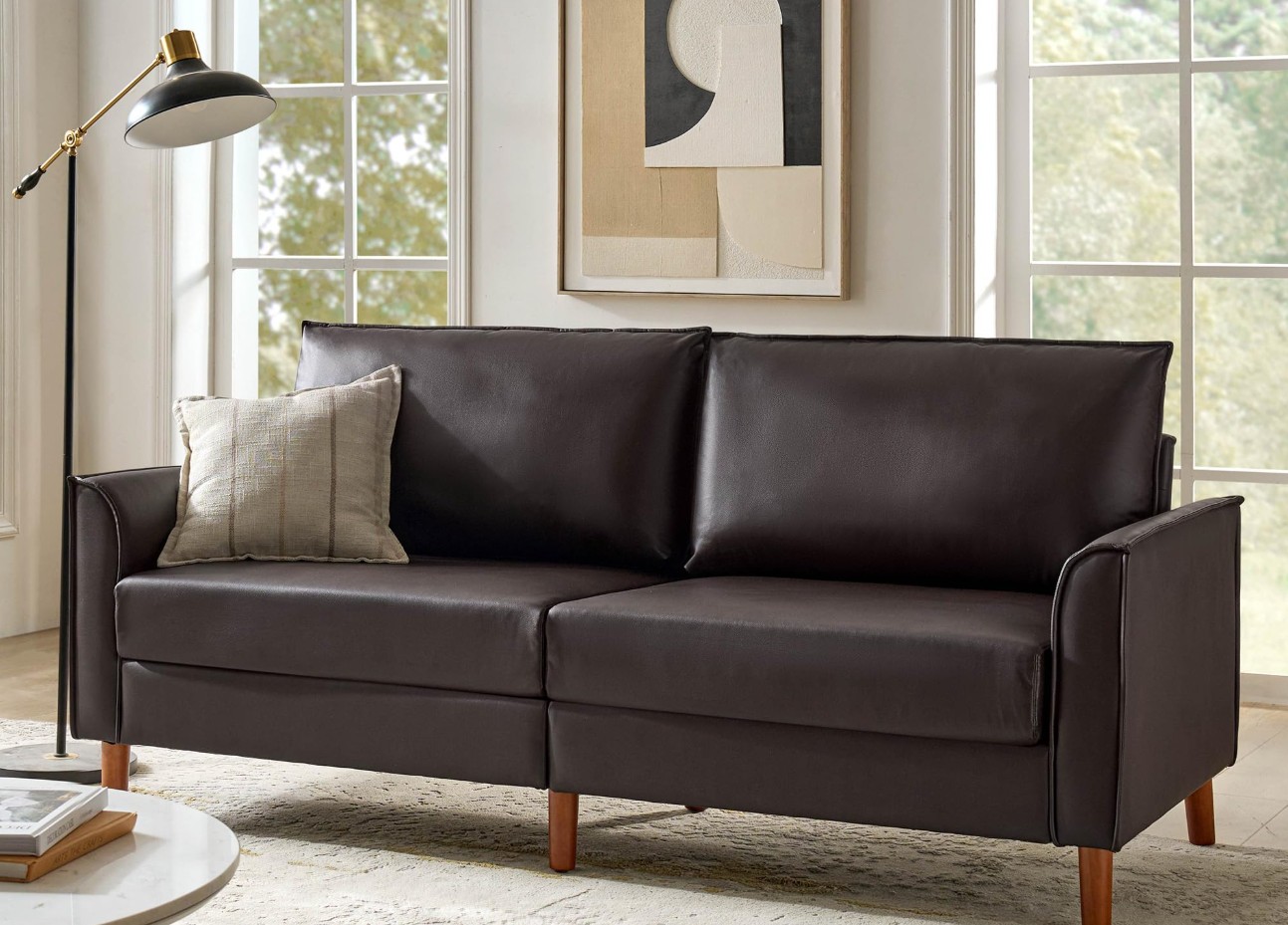
All You Need to Know About Genuine Leather
Have you ever wondered what truly sets genuine leather apart from the synthetic options flooding today’s market? This natural material is not only cherished for its elegance, softness, and durability – it also stands as a timeless symbol of sophistication in contemporary furniture design.
In the following article, The Sofa Furniture invites you to explore the most common types of genuine leather, their unique advantages and limitations, and how each is applied in real-world furniture production. Let’s dive in and discover what makes genuine leather so exceptional.
1. What Is Genuine Leather?
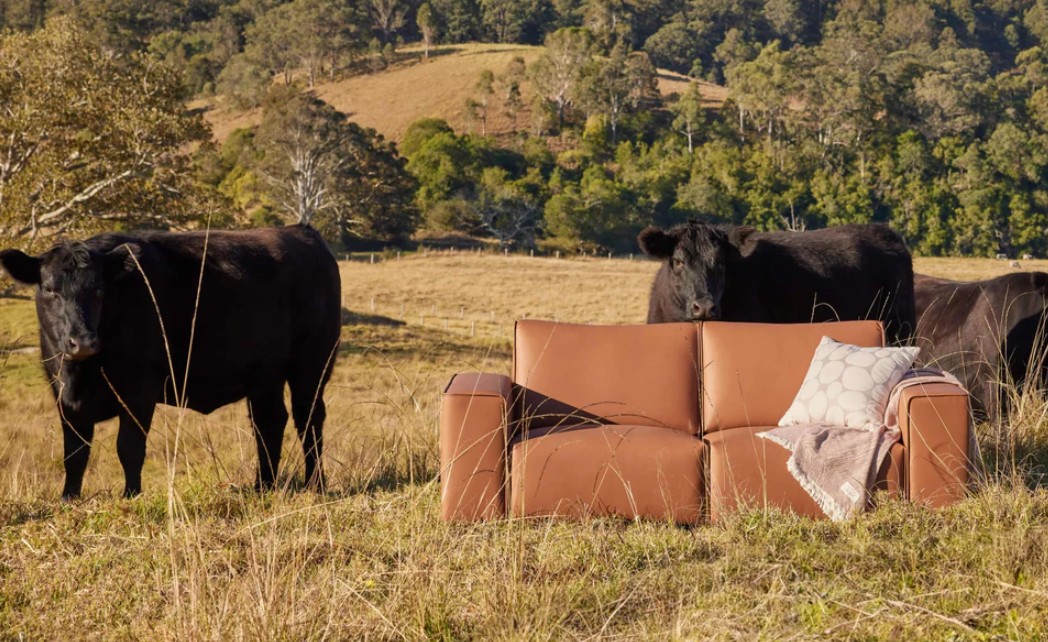
Genuine leather is a natural material derived from animal hides. Through the tanning process, raw animal skin is carefully treated and transformed into a durable, flexible material used across multiple industries, from fashion and furniture to footwear, handbags, car interiors, and even decorative items.
Unlike synthetic alternatives, genuine leather offers a distinct sense of luxury and softness. It develops a richer patina over time, becoming even more beautiful with age. Moreover, its natural breathability ensures lasting comfort for the user.
There are several common types of genuine leather based on animal origin, each with unique characteristics:
- Cowhide: The most widely used type of genuine leather, known for its superior thickness, strength, and elasticity. Cowhide resists abrasion well and is ideal for sofas, chairs, handbags, and footwear.
- Calfskin: Taken from young cows, calfskin features a smooth, refined texture with minimal imperfections. It combines durability with a luxurious touch and excellent dye absorption, making it popular in premium shoes, handbags, and wallets.
- Sheepskin / Lambskin: Exceptionally soft, lightweight, and breathable, sheepskin offers a gentle, pleasant touch against the skin. However, it is less durable than cowhide and prone to scratches, requiring careful maintenance. It’s commonly used for jackets, car seats, and gloves.
- Goatskin: Recognized for its subtle grain and slightly pebbled texture, goatskin is stronger than sheepskin and moderately water-resistant. It’s often used for bags, jackets, gloves, wallets, and belts.
- Horsehide: A highly durable and dense leather with a smooth surface that maintains its form over time. Thanks to its strength and resistance to wear, horsehide is often chosen for boots, belts, bags, and other long-lasting leather goods.
Thanks to its natural diversity and enduring appeal, genuine leather remains the preferred choice for those seeking beauty, durability, and a timeless sense of sophistication – qualities that synthetic materials like faux leather simply can’t replicate.
2. How Many Types of Genuine Leather Are Used in Manufacturing?
In manufacturing, genuine leather is typically classified based on the tanning and finishing methods applied – a key factor that determines its texture, durability, and ideal application. Let’s explore the most common types of genuine leather with The Sofa Furniture below:
2.1. Full-Grain Leather
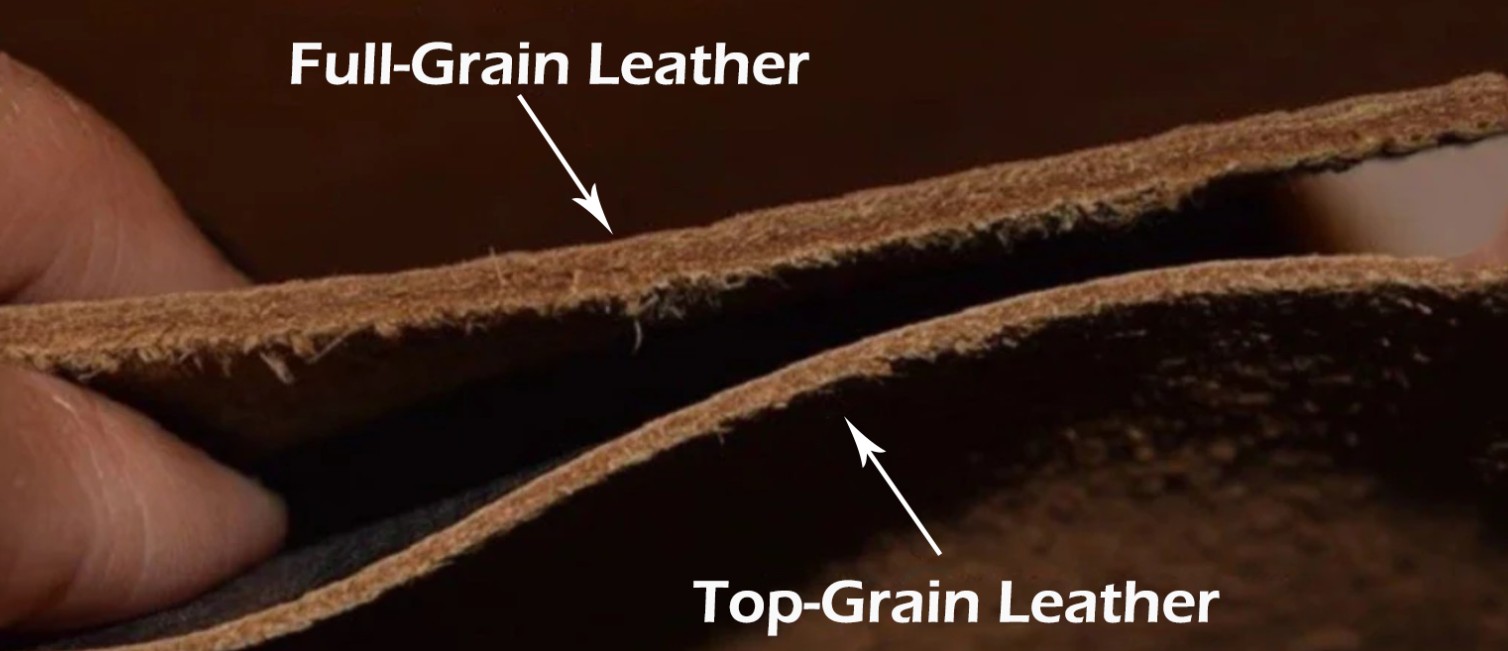
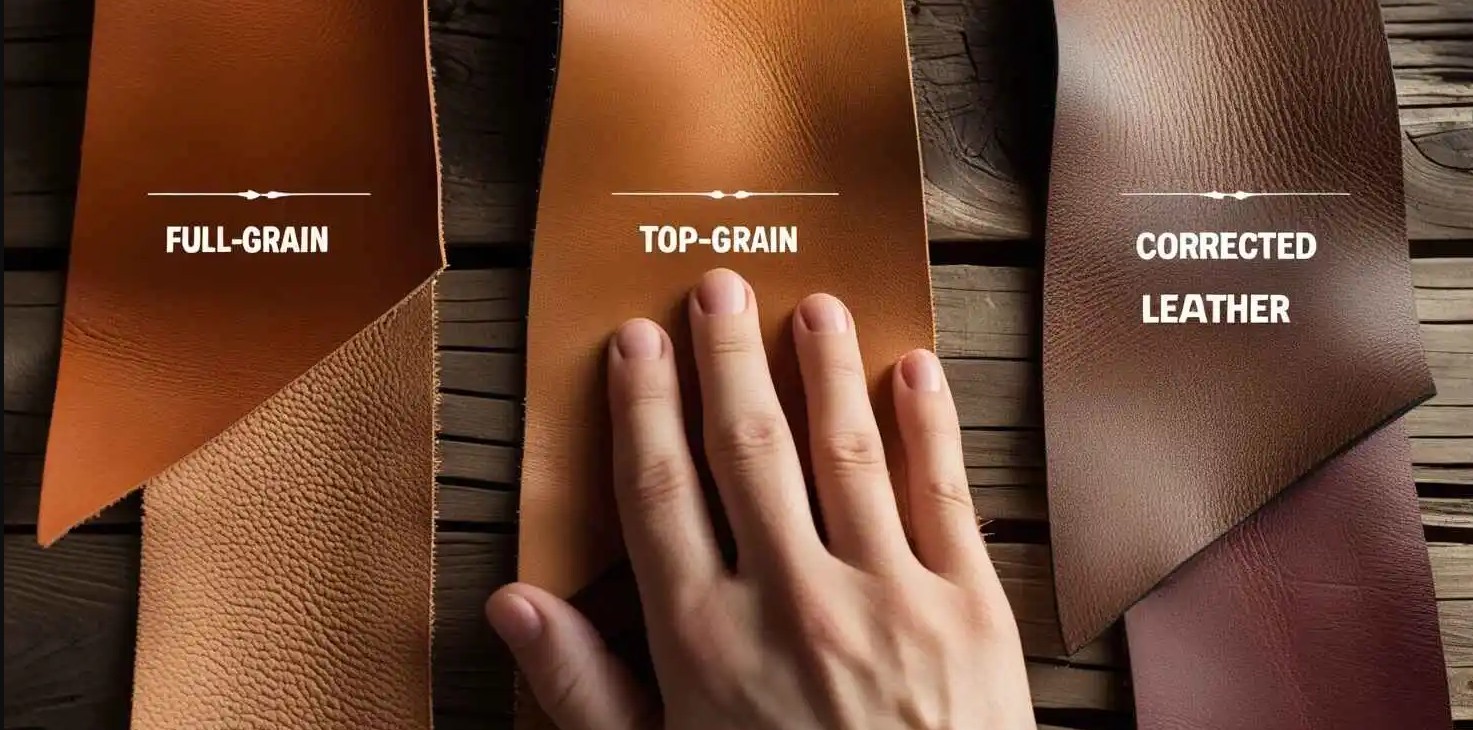
Full-grain leather is considered the finest and most premium form of genuine leather. It retains the hide’s natural grain layer without being sanded, buffed, or coated with synthetic finishes. Only hides with minimal natural imperfections qualify for full-grain leather, which makes its supply limited and production costs high due to significant selection and processing losses.
Because of its authenticity and strength, full-grain leather is often chosen for handcrafted, high-end sofa collections where natural beauty, longevity, and uniqueness are essential. Beyond furniture, it’s also widely used in luxury handbags, footwear, and interior décor.
- Advantages: Thanks to its dense fiber structure and intact pores, full-grain leather offers exceptional durability and breathability. It feels naturally supple to the touch and develops a mesmerizing patina over time, enhancing its aesthetic value and sense of refinement.
- Disadvantages: Its price point is high, and the supply is limited. Full-grain leather also requires regular care to maintain its beauty and lifespan. Minor scratches or natural marks are typical characteristics – not flaws – that reflect the authenticity of the material.
2.2. Corrected-Grain Leather
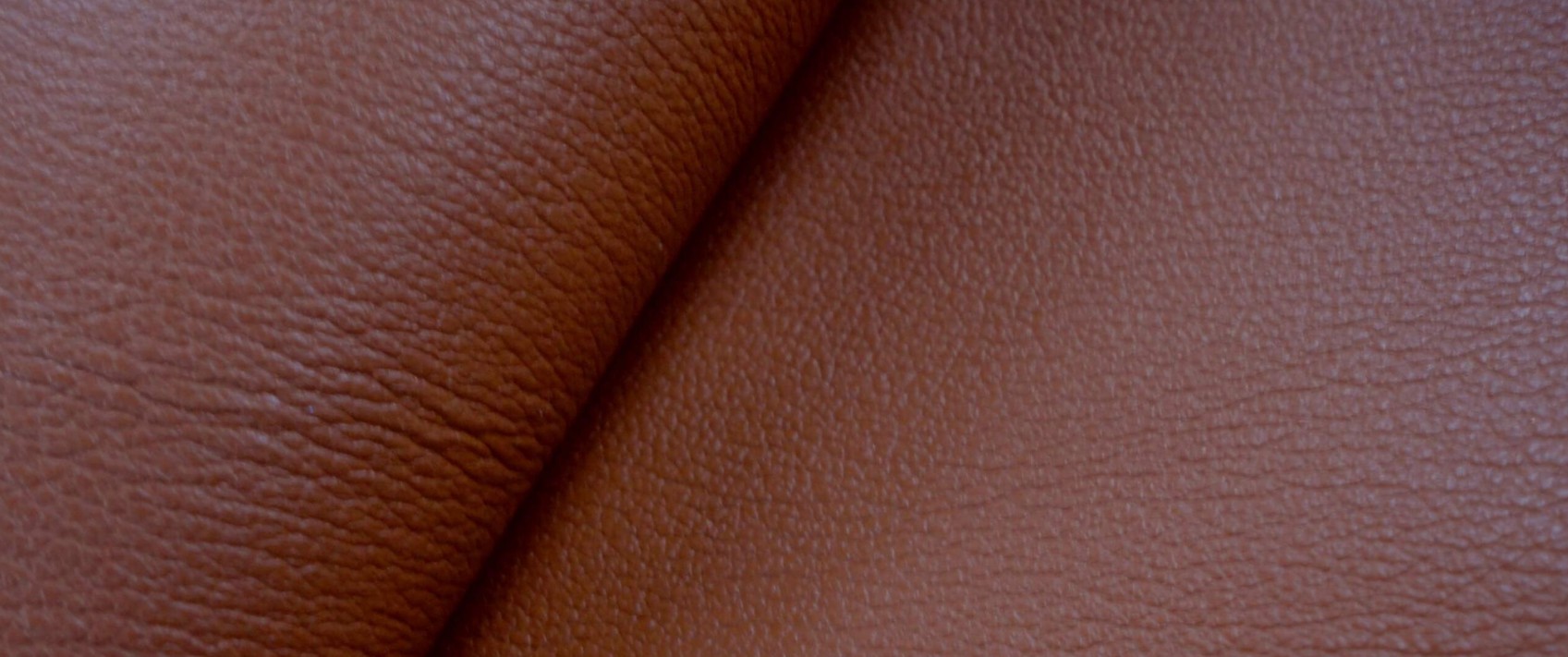
Corrected-grain leather is another high-quality type of genuine leather made from the top layer of animal hide. However, it undergoes surface correction to remove imperfections such as scars, scratches, or uneven pores. The surface is sanded smooth and coated with a pigment or polymer finish to create a more uniform appearance.
While it retains excellent durability and abrasion resistance thanks to its tight fiber structure, the additional coating reduces the leather’s natural breathability and slightly diminishes the soft, organic feel that full-grain leather offers.
For projects with moderate budgets that still demand durability and visual consistency, such as commercial sofas, car seats, and handbags, corrected-grain leather presents a practical balance between quality and cost. Proper maintenance remains essential to keep the leather looking its best.
- Advantages: Visually appealing with uniform color and texture; durable and resistant to wear; easy to clean and maintain; ideal for commercial furniture or mid-range sofa lines where practicality and aesthetics matter.
- Disadvantages: The heavy surface coating limits natural softness and breathability; lacks the patina development seen in full-grain leather; and loses some of the unique character inherent in natural hides.
>> Read more: Leather Factory Sofa Tips: Choosing the Right Export Upholstery
2.3. Top-Grain Leather
Top-grain leather is a high-quality type of genuine leather made from the outer layer of animal hide after the natural grain surface has been sanded off. This process removes imperfections such as scars and scratches, resulting in a smoother and more uniform texture.
The leather is then treated with a protective coating, enhancing its resistance to stains, moisture, and wear -making it easier to clean and maintain compared to full-grain leather. Thanks to these properties, top-grain leather is widely used for long-lasting products like sofas, handbags, and car seats, especially in humid or high-traffic environments.
- Advantages: Top-grain leather is durable, resistant to abrasion, and has a long lifespan. The smooth, treated surface makes it easier to clean and maintain while preserving its refined look over time. Compared to full-grain leather, it offers a more affordable price point without sacrificing the luxurious appearance, softness, and durability that define premium genuine leather.
- Disadvantages: Because the natural grain has been removed, top-grain leather loses the unique surface patterns and cannot develop a patina with age. The protective coating reduces breathability, sometimes causing a warmer touch during extended use. Moreover, its uniform appearance lacks the natural individuality that distinguishes each full-grain hide.
2.4. Split / Genuine Leather
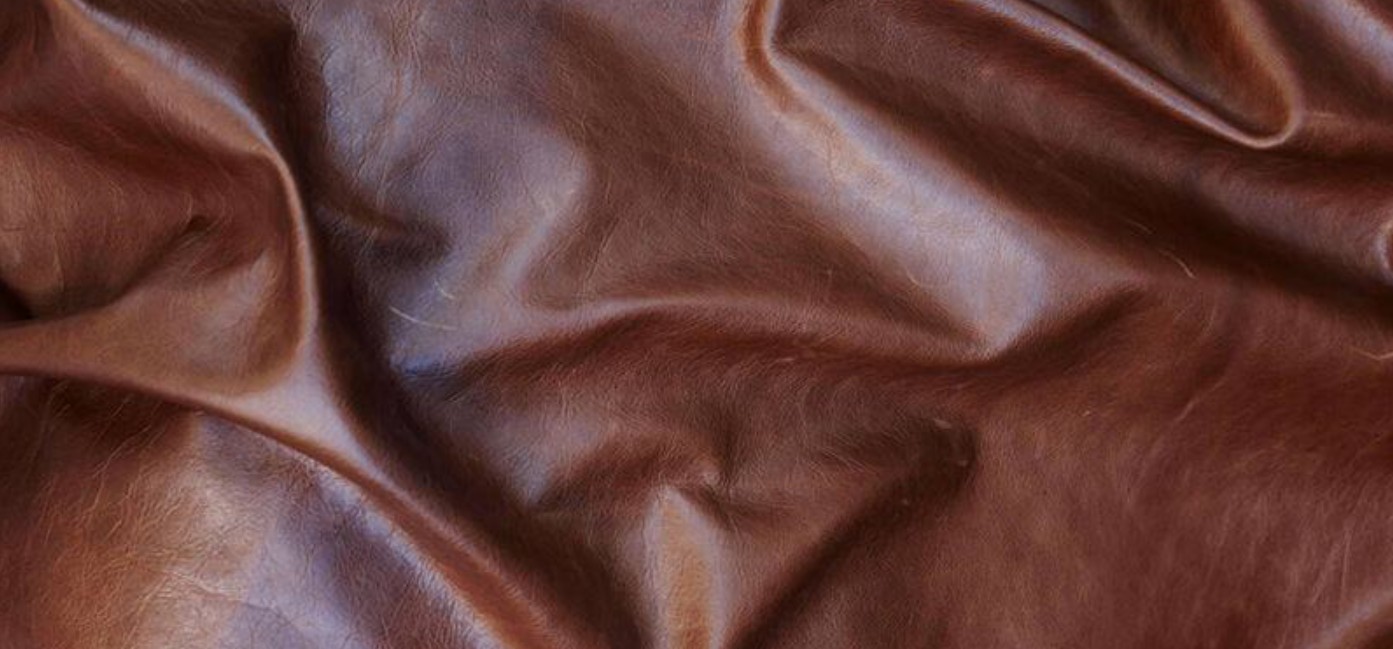
Split leather, also referred to in the market as genuine leather, is the lowest-grade layer derived from natural hides. It is produced by splitting off the top, denser collagen fiber layer of the animal skin, leaving behind the more fibrous, porous corium layer.
To improve its look and strength, manufacturers often apply adhesives and synthetic finishes to mimic the appearance of top-grain or full-grain leather. When the surface is left unfinished and instead buffed to a velvety nap, it becomes known as Suede.
Although it doesn’t offer the same durability as higher-grade leathers, split leather is still a viable option for manufacturers targeting the mid-range or budget-friendly segments, where cost-efficiency is essential. It is often used in accessories like wallets, handbags, home décor, or mid-tier sofas and furniture pieces.
- Advantages: Split leather is soft, lightweight, and flexible, offering a comfortable feel for users. It is affordable, easy to process, and suitable for mass production where cost control is a priority.
- Disadvantages: Split leather and suede are more prone to water absorption and staining, requiring careful handling and protection. Cleaning suede, in particular, demands gentle brushing with a dedicated tool and avoidance of liquid exposure. Without proper care, it can easily lose its texture and natural beauty over time.
2.5. Nubuck Leather
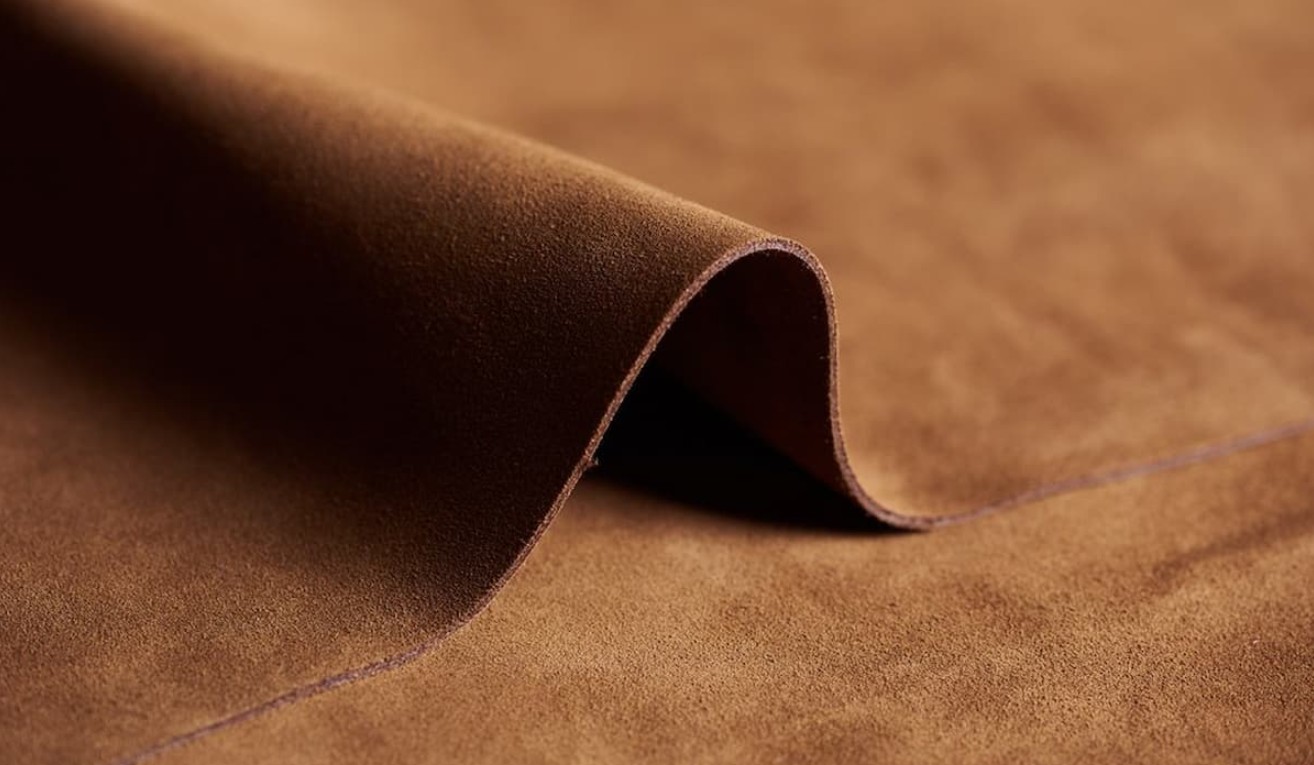
Nubuck leather is a premium form of genuine leather crafted from the outer surface of the hide, typically from cow or calf. The surface is lightly sanded or buffed to produce a soft, velvety nap that gives nubuck its signature plush and elegant texture.
- Advantages: Nubuck is more durable than suede because it is made from the outer layer of the hide, allowing it to maintain shape and quality over time. Its surface is smooth and touchably soft, creating a warm, luxurious feel. Nubuck also has better water resistance compared to suede, though it still benefits from protective treatment to avoid moisture damage.
- Disadvantages: Nubuck leather is sensitive to stains and easily discolored by water or oils. Maintenance requires care and precision to preserve its fine texture and natural beauty. Additionally, nubuck is more expensive than suede due to the higher quality of raw hides and the intricate finishing process involved.
>> Read more: Is the Sofa Furniture Manufacturer Adapting to the Green Movement?
3. Compare the quality of genuine leather
Join The Sofa Furniture in exploring the comparison chart below to better understand the unique characteristics, strengths, and limitations of each type of genuine leather. In this chart:
- ★★★★★ = Excellent
- ★☆☆☆☆ = Low
| Leather Type | Origin | Durability | Touch & Feel | Water Resistance | Aesthetic Appeal | Ease of Cleaning | Price |
| Full-grain | Outer layer of the hide, preserving natural grain | ★★★★★ | ★★★★★ | ★★★★☆ | ★★★★★ | ★★★★☆ | ★★★★★ |
| Corrected-grain | Outer layer with surface treatment | ★★★★☆ | ★★★★☆ | ★★★★★ | ★★★★☆ | ★★★★★ | ★★★★☆ |
| Top-grain | Second layer, slightly sanded and coated for protection | ★★★★☆ | ★★★★☆ | ★★★★☆ | ★★★★☆ | ★★★★☆ | ★★★☆☆ |
| Genuine Leather | Lower layer with reconstituted surface, sometimes used as suede | ★★☆☆☆ | ★★☆☆☆ | ★★☆☆☆ | ★★☆☆☆ | ★★☆☆☆ | ★★☆☆☆ |
| Nubuck | Outer layer lightly buffed for a soft, velvety touch | ★★★★☆ | ★★★★☆ | ★★★☆☆ | ★★★★☆ | ★★★☆☆ | ★★★★☆ |
>> Read more: All You Need to Know About Vegan Leather
4. The Role of Genuine Leather Sofas in Today’s Furniture Market
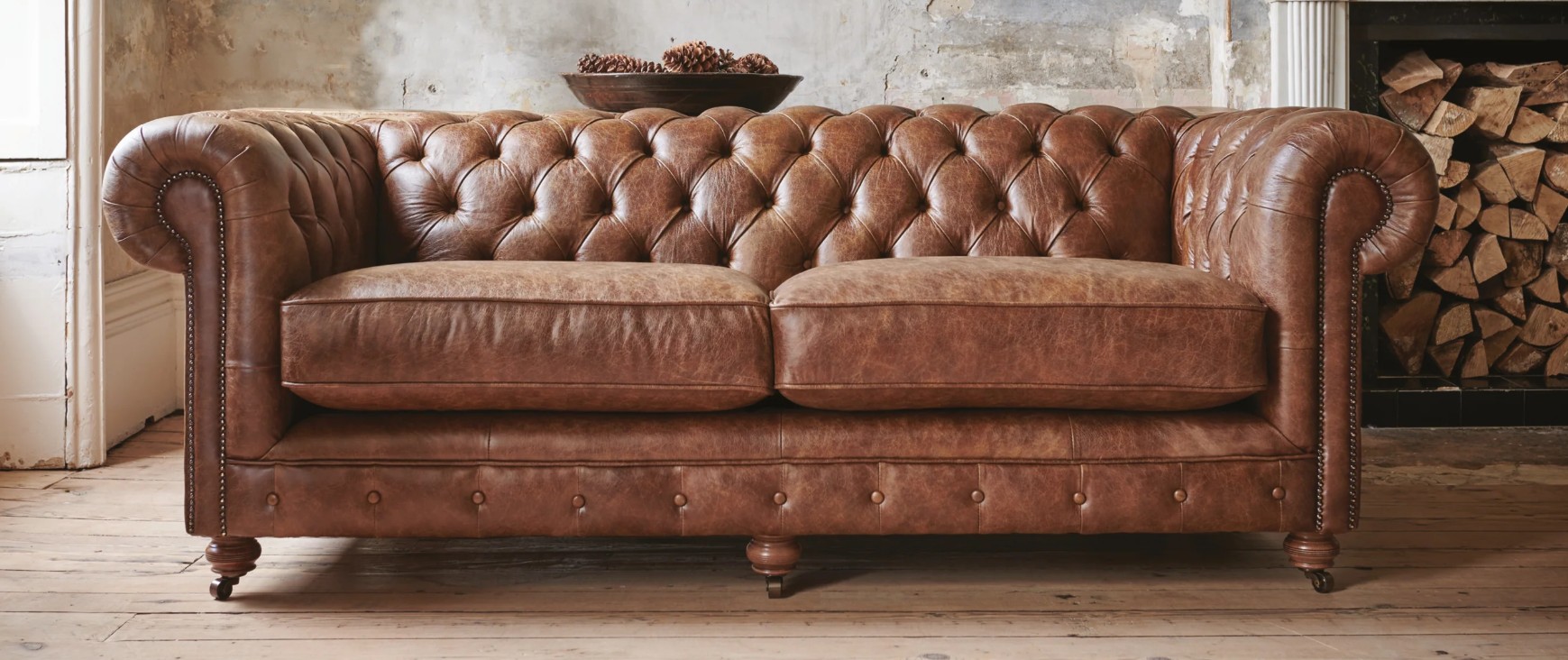
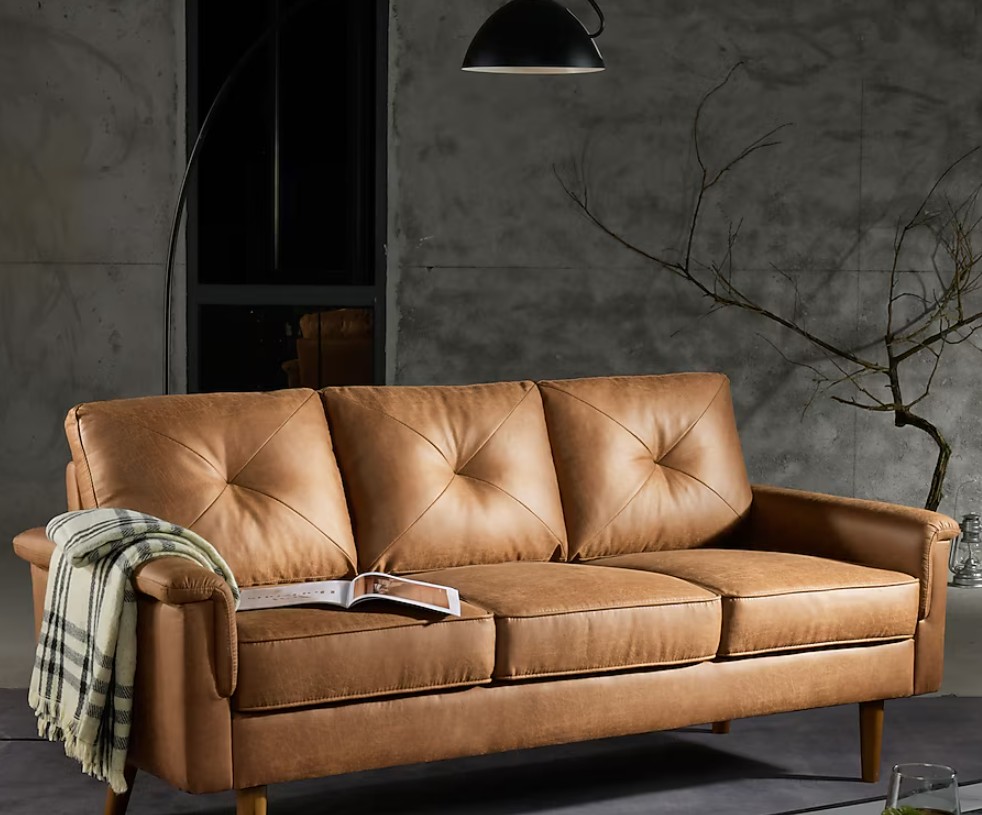
Among all premium furniture pieces, a genuine leather sofa has long been regarded as a timeless symbol of luxury, durability, and refined taste.
Unlike faux leather alternatives, genuine leather offers a natural softness and a sense of understated elegance from the very first touch. Especially with high-grade leathers like full-grain and top-grain, the surface develops a distinctive patina over time – a beautiful layer that enhances both protection and character, making every piece uniquely charming.
Thanks to these qualities, genuine leather sofas remain the preferred choice across high-end living spaces, from upscale residences and luxury hotels to executive lounges and corporate offices.
From a market perspective, the demand for genuine leather sofas continues to rise, particularly within the premium segment. Many global furniture brands and B2B projects are investing in this category, not only for its refined aesthetics but also for its long-term value in both usability and craftsmanship.
However, the use of animal-derived leather also brings ethical and environmental challenges. Manufacturers today are under growing pressure from animal welfare organizations and the global “vegan leather” movement. As a result, sourcing transparency, humane livestock practices, and adherence to international sustainability standards have become crucial in balancing product quality with social responsibility.
Many modern furniture factories – including The Sofa Furniture, are taking proactive steps by combining premium genuine leather with environmentally friendly processes. The goal is to deliver products that are both luxurious and sustainable.
In parallel, the market is also witnessing a rise in hybrid solutions, designs that blend genuine leather with high-quality vegan or PU materials.
These combinations help businesses optimize costs and production efficiency while preserving the tactile experience and aesthetic value of natural leather. Such approaches not only meet the expectations of modern consumers but also empower brands to stand out in a competitive market and reduce their ecological footprint.
>> Read more: Everything You Need to Know About Microfiber
5. The Sofa Furniture – Crafting Unique Genuine Leather Sofas for Global Brands
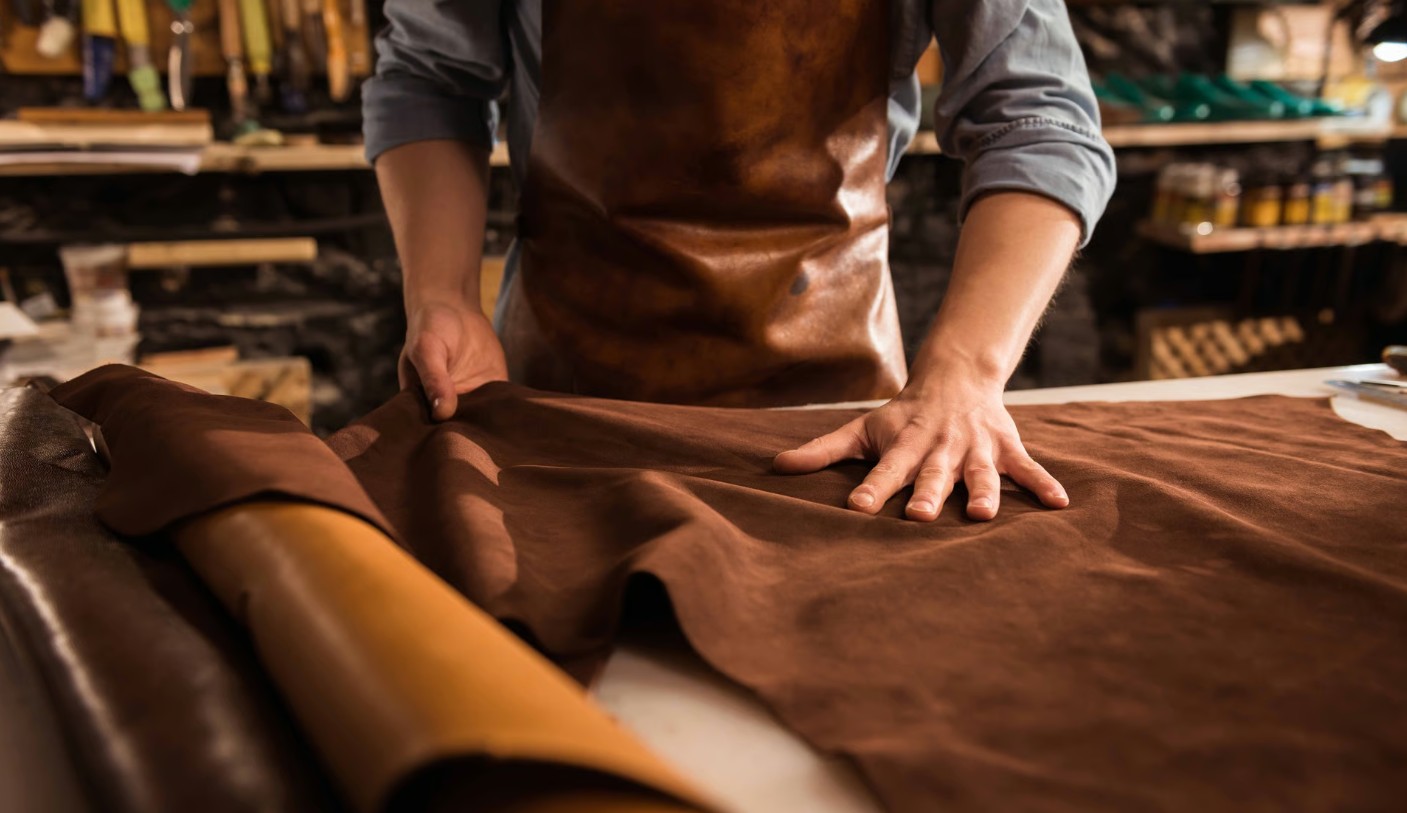
With over 15 years of experience in the furniture manufacturing industry, The Sofa Furniture proudly stands as a professional leather sofa factory, providing premium genuine leather sofa solutions for businesses and global projects.
We understand that every brand and project has its own identity, from design concept and material preferences to the desired user experience. That’s why our team carefully selects only the finest genuine leathers, including full-grain, top-grain, and nubuck, to craft sofas that are truly distinctive in both quality and character.
At our factory, each leather hide is meticulously screened to ensure consistent color tone, grain pattern, and structural integrity, suitable for both large-scale production and limited-edition, bespoke collections. Through this combination of rigorous material selection and exceptional craftsmanship, every sofa becomes a unique interior masterpiece that perfectly embodies the client’s brand essence and commitment to quality.
Beyond production, The Sofa Furniture also offers flexible OEM and ODM services, allowing premium furniture wholesalers and retailers to effortlessly develop their own signature collections.
Sustainability remains at the core of what we do. We source leather responsibly from transparent and humane farms, ensuring full traceability and compliance with international environmental and ethical standards. This commitment helps our partners build long-term trust with customers around the world.
To maintain consistent supply and world-class quality, The Sofa Furniture operates a modern manufacturing facility in Binh Duong, Vietnam – one of the country’s most dynamic industrial hubs. With a production area of over 10,000 m² and an export capacity of 60–100 containers per month, we ensure stable output and timely delivery for both bulk orders and exclusive collections.
Partner with The Sofa Furniture today to create your own line of authentic, one-of-a-kind leather sofas, elevating your brand presence and inspiring customers across global markets.
📞 Hotline / WhatsApp: +84-975-947-573
📧 Email: [email protected]
📍 USA Office: 2465 Pine Lake Rd, Tucker, GA 30084, USA
🏭 Factory: Phu Thu hamlet, Phu An village, Ben Cat City, Binh Duong, Viet Nam
⏰ Working Hours: 8:00 AM – 5:00 PM
-

-
 03/11/2025